
What are effective strategies for managing chronic anxiety in daily life?
Chronic anxiety in daily life
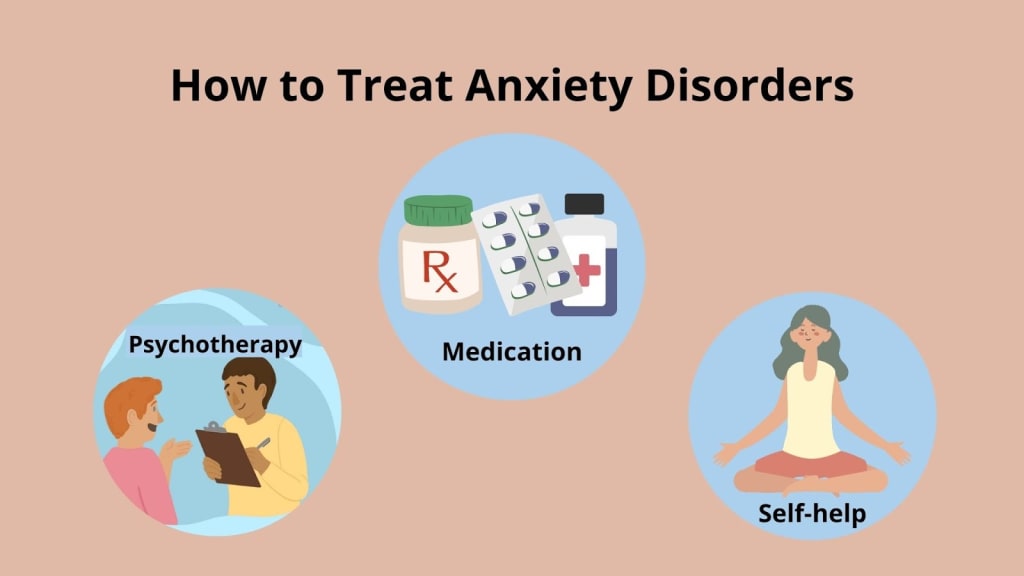
Chronic anxiety can feel like a constant companion—always present, sometimes overwhelming, and often exhausting. Yet, many individuals have found that a combination of tailored strategies can help reduce its hold and restore a sense of balance, control, and peace. Managing chronic anxiety is not about a single “fix” but rather about developing a toolkit of approaches that address mind, body, lifestyle, and support systems. Below, I’ll outline several evidence-informed and compassionate strategies to help navigate and soothe anxiety in daily life.
1. Cultivating Mindfulness and Grounding Practices
One of the most powerful tools for working with anxiety is mindfulness—gently bringing awareness to the present moment with openness and without judgment. Practices such as mindful breathing, noticing sensations, or anchoring attention to the here and now can help disrupt the loop of worry. For example, focusing on the rhythm of your breath—perhaps placing a hand on your stomach and noticing its rise and fall—can anchor you away from spiraling thoughts. Even brief pauses, repeated throughout the day, can offer moments of calm and reparation from anxious momentum.
Another related technique is the “5-4-3-2-1” grounding method: identify 5 things you can see, 4 you can touch, 3 you can hear, 2 you can smell, 1 you can taste. This approach draws your awareness away from future fears and into immediate sensory reality—helpful when anxiety feels overwhelming.
2. Regular Movement and Somatic Regulation
Physical activity is not just good for the body—it’s a natural regulator of the nervous system and emotional state. Moderate aerobic exercise (like brisk walking, cycling, or swimming) prompts the release of endorphins and supports stress resilience. But movement doesn’t have to be intense—yoga, tai chi, gentle stretching, or even mindful walking can soothe anxiety by promoting physical presence and bodily grounding.
In addition, somatic regulation exercises—such as deep belly breathing, progressive muscle relaxation, or gentle self-soothing touch—can calm the physiological arousal that sustains anxiety. A daily or twice-daily practice of these techniques can gradually lower your baseline level of tension, making anxious responses less reactive and intense.
3. Balanced Routine and Sleep Hygiene
Anxiety often thrives in chaos or uncertainty. Establishing a structured daily rhythm—regular waking, eating, working, and rest times—creates predictability and physiological stability. Prioritize sleep by maintaining consistent bedtimes and wake times, creating a calming pre-sleep routine (such as a warm bath, dimmed lights, or light reading), and minimizing screens close to bedtime. Good sleep supports emotional resilience and recalibrates stress response systems.
Similarly, balanced meals—especially regular intake of protein, healthy fats, whole grains, and hydrating fluids—nourish the body and brain. Blood-sugar dips, dehydration, or skipped meals can exacerbate anxiety, so keeping simple snacks on hand (fruit, nuts, yogurt) can help maintain steadiness throughout the day.
4. Cognitive-Behavioral Techniques
Thoughts and beliefs play a central role in feeding anxiety. Cognitive-behavioral strategies help us notice, assess, and shift unhelpful thinking patterns. Begin by gently observing anxious thoughts without harsh judgment: ask yourself, “What is the immediate thought or worry? Is it based on fact or emotion? What evidence supports it—or contradicts it?”
Then, practice reframing: for instance, replace “I can’t handle this” with something more balanced like, “I feel anxious, but I can take one step at a time.” Another technique is “worry time”: allocate a brief, fixed period (e.g., 15 minutes) each day to engage with anxious thoughts or worries, and outside that window, gently remind yourself you’ll attend to them during worry time. Over time, this can decrease rumination and restore cognitive boundaries.
5. Building Support and Connection
Anxiety often insists we’re alone in our fears—but connection brings perspective, empathy, and relief. Sharing with a trusted friend, partner, or support group can lighten the emotional load. Talking about what’s anxious helps demystify it. If you’re able, consider joining a peer support group—many are now offered online—which can provide insight and encouragement from others who truly understand. If the anxiety is deep or long-standing, working with a mental health professional—such as a psychologist, psychiatrist, or therapist—can offer specialized, personalized support. For resources or referrals, you may consider exploring updates and care options at https://www.delhimindclinic.com/
in your region, or similar trusted services near you.
6. Soothing Lifestyle Rituals and Self-Compassion
Creating small rituals that soothe your nervous system can offer gentle nourishment. It could be brewing a favorite tea mindfully, listening to calming music, lighting a fragrant candle, journaling with kind attention, or spending a few minutes in nature—even a potted plant by a window helps.
Parallel to this, nurturing a tone of self-compassion is essential. Anxiety is not a personal failure, but a human response. Instead of self-criticism (“Why can’t I just calm down?”), try responding as you would to a dear friend: “I’m struggling right now, and that’s okay. I’m doing my best.” This inner kindness can transform the experience of anxiety from an internal battlefield to a place where your care meets your fear.
7. Gradual Exposure and Empowered Facing
When anxiety is tied to specific situations—public speaking, crowds, health worries, travel—it can help to gently and gradually face those situations in manageable steps. Start with small, low-pressure exposure: for example, if crowded spaces cause anxiety, begin by visiting a lightly busy café for a few minutes. Notice any bodily sensations, breathe through them, then withdraw if needed. Over time, these small successes build confidence and reshape the anxiety response, teaching your nervous system that distress doesn’t always escalate.
8. Tracking, Reflection, and Adaptive Iteration
Awareness is the seed of change. Keeping a brief journal—simply noting triggers, anxious thoughts, what calmed you, and what felt unhelpful—can help you identify patterns and assess what strategies are most effective. Perhaps you notice your anxiety spikes late afternoon—then you might plan a restorative activity then. Or you find somatic techniques most soothing after work. Use this intel to adapt your routine thoughtfully, iterating what works.
Putting It All Together
Managing chronic anxiety is a journey—one not defined by perfection but by small steps of kindness, curiosity, and learning. Combining mindful presence, regular movement, routine, cognitive reframing, connection, ritual, and gradual facing brings a multi-layered resilience. It’s also important to recognize when professional support is needed—especially if anxiety significantly interferes with daily life or causes distress.
If you’re in Delhi or nearby, exploring specialized providers like those listed at https://www.delhimindclinic.com/
may help you find therapists or clinicians trained in anxiety support. Wherever you are, you’re not alone, and with intention and self-compassion, you can reclaim greater steadiness, agency, and peace in your daily life.
About the Creator
Keep reading
More stories from Naveen Garg and writers in Education and other communities.
What's the Role of Exercise in Mental Health?
Introduction The majority of individuals who consider exercise tie it to physical improvements like weight, strength, or heart. However, research over the last couple of decades has consistently highlighted that exercise also plays an important role in mental health. Body exercise doesn't just shape the body—it profoundly affects the brain, emotions, and overall psychological health.
By Naveen Garg5 months ago in Education
How Holistic Planning Supports Sustainable Development and Long-Term Growth
In today's business environment, holistic planning is essential for organizations seeking to balance growth and sustainability. This approach integrates various aspects of business planning, including environmental, social, and economic considerations. By taking a comprehensive view, businesses can create strategies that support sustainable development while driving long-term growth. In this article, we will discuss how holistic planning fosters sustainability and lays the foundation for continuous business success.
By James Burleson4 days ago in Education


Comments
There are no comments for this story
Be the first to respond and start the conversation.