
How does trauma affect mental health, and through what mechanisms can healing take place?
trauma affect
Answer:
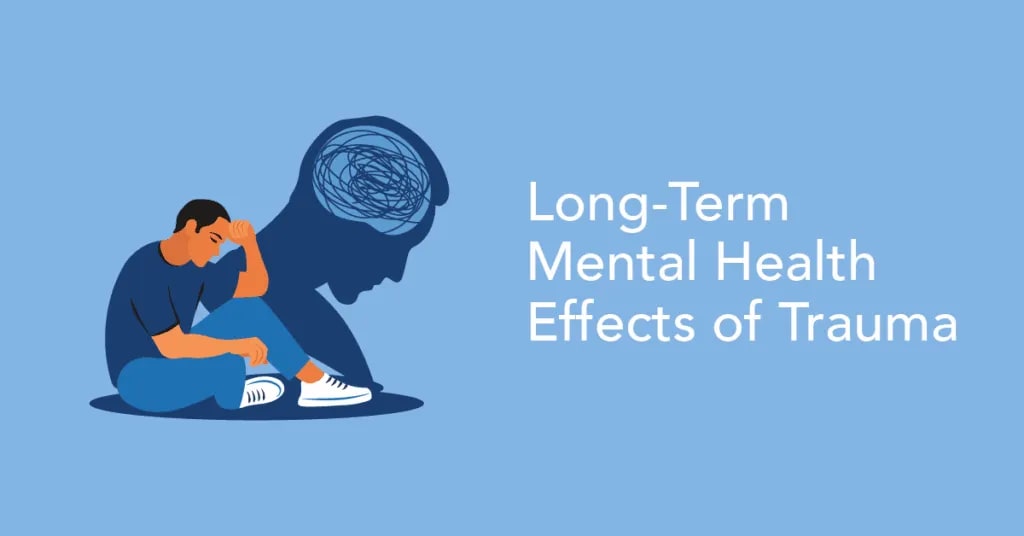
Trauma is perhaps the most forceful influence affecting a person's emotional and mental well-being. Not only is it limited to those devastating occurrences—e.g., natural disasters, violence, accidents—but to those more insidious, chronic experiences, e.g., repeated exposure to instability, chronic stress, neglect. The effect of trauma is not a one-size-fits-all situation; it is different based on many factors including the nature of the event, the age of the individual, the support network, and available resources. Yet, what unites traumatic events is the way they can overtake our resilience and alter our perception of ourselves, others, and the world. Having an understanding of how trauma impacts mental health, and the way to become on the road to recovery, is essential to foster resilience and healing.
The Psychological Consequences of Trauma
When someone experiences trauma, the brain and body enter survival mode. The stress reaction, commonly referred to as "fight, flight, or freeze," saturates the system with cortisol and adrenaline. In the midst of acute danger, this reaction is life-saving. Yet, in the case of severe, long-lasting, or unresolved trauma, the nervous system may be trapped in this state of hypervigilance. The brain, especially areas like the amygdala (which is involved in fear responses) and hippocampus (which is involved in memory), may reorganize so that it keeps this hypervigilance and reactivity despite the resolution of trauma.
Trauma in the majority of individuals manifests as post-traumatic stress disorder (PTSD), such as intrusive memories, flashbacks, nightmares, emotional numbing, avoidance of cues, and persisting hyperarousal. Trauma does more than affect PTSD, though. Trauma can cause depression, anxiety disorders, alcohol/substance use, dissociation, and even physical disease such as chronic pain, autoimmune illness, or gastrointestinal distress. Trauma is not "in the mind"; it's etched onto the body and nervous system.
Equally important is the impact trauma has on a person's concept of self. Survivors will feel shame, guilt, or worthlessness even though the traumatic event occurred beyond their control. They feel disconnected from others, mistrustful in relationships, or unsafe in everyday situations. Deterioration in a steady inner foundation can lead to social isolation, relationship issues, or difficulty in work and school.
Different Types of Trauma
Not all traumas are the same, and it is helpful to define the types in an effort to understand their particular effect:
Acute Trauma – One, time-limited event such as a car accident, assault, or natural disaster. While disturbing, some individuals recover quickly with minimal lasting effect if they possess supportive networks and coping mechanisms.
Chronic Trauma – Ongoing and repeated exposure to abusive environments, i.e., domestic abuse, bullying, or prolonged illness. Cumulative stress breaks down resilience and has a profound effect on mental health.
Complex Trauma – Chronic trauma, especially during childhood, often involving abuse, neglect, or unreliable caregiving. The trauma has the possibility of impacting personality development, attachment patterns, and views of the world. Complex trauma has the ability to make survivors struggle with emotions, relationship formation, and self-definition.
Secondary or Vicarious Trauma – Experienced by those who are repeatedly confronted with others' trauma, such as health care workers, therapists, or first responders. While indirect, it can be equally potent.
Pathways to Healing
Healing from trauma is not about forgetting the past, but creating safety, healing trust, and building new relating patterns to oneself and to others. It is a highly individual process and typically will require a blend of approaches. Some of the most fundamental healing avenues are outlined below.
1. Creating Safety and Stability
The first step in healing from trauma is creating a sense of safety—internally and externally. This may include restricting contact with chronic stressors (e.g., exiting a threatening situation) and creating day-to-day routines that provide predictability. For survivors, safety also involves learning to apply grounding skills to manage overwhelming feelings or flashbacks. Slow breathing, focusing on body sensations, or listening to music may re-establish a sense of present-moment mastery.
2. Processing Traumatic Memories
Once safety is established, many individuals benefit from therapeutic approaches that help them process and integrate traumatic experiences. Traditional talk therapy can be useful, but trauma often requires specialized methods. Cognitive-behavioral therapy (CBT) tailored for trauma, such as Trauma-Focused CBT, helps challenge unhelpful beliefs (“It was my fault,” “I’m never safe”) and replace them with healthier perspectives. Eye Movement Desensitization and Reprocessing (EMDR) is a second evidence-based therapy that helps the brain reprocess traumatic memories in a less charged manner. Somatic therapies work on the release of the trauma held in the body, the bodily imprint from trauma.
3. Building Connection and Trust
Trauma can severely distort trust with others, such that relationships become difficult. But connection between humans is essential to healing. Supporting relationships with family and friends, peer support networks, or therapists are antidotes to loneliness. Someone to hear without judgment, to confirm the hurt, and to stick around can be incredibly healing. For kids, secure attachment to caregivers is a protection against long-term harm. For adults, establishing secure and trustable relationships is a way to reestablish belonging and safety in the world.
4. Developing Emotional Regulation Skills
Trauma disrupts emotional regulation, leading to intense mood shifts, anger, or numbness. Learning new coping skills is central to recovery. Skills such as mindfulness, grounding, journaling, or creative expression (art, music, movement) provide constructive means of expressing overwhelming affect. Treatment might include teaching an individual how to recognize emotional triggers and develop self-calming responses rather than avoidance or harm.
5. Reestablishing a Positive Concept of Self
Trauma survivors also commonly experience deep shame or feel "broken." Regaining wellness involves learning to value oneself again and learning to care for oneself. Activities such as affirmations, self-care rituals, or even engaging in activities that lead to pride and accomplishment can restore sense of identity. Therapy may involve "inner child" work—repairing those aspects of oneself that were broken in the past. Reclaiming a sense of mastery ("I have choices, I have power now") is another critical factor during this phase.
6. Integrating the Experience
Ultimately, recovery from trauma is incorporating the traumatic experience into the narrative of one's life without allowing it to define self. Survivors never forget, but they are able to reach a place where the memory no longer defines them. This integration allows for growth, resilience, and even post-traumatic growth—a process by which individuals become more compassionate, more appreciative of life, or resilient as individuals after struggle.
The Role of Professional Help
While most people are resilient in nature after becoming traumatized, professional help usually is needed for those whose symptoms persist or interfere with life. Psychologists, psychiatrists, counselors, and social workers are able to offer official therapies for trauma. Medication may sometimes be prescribed for some symptoms such as severe anxiety, depression, or sleep disturbances. Trauma-informed care is important because it helps professionals to be empathetic when they are working with survivors, not re-traumatizing the survivor and empowering the client in the healing process.
In Delhi and surrounding regions, clinics such as https://www.delhimindclinic.com/
extend working with mental health professionals who specialize in evidence-based trauma treatments.
Seeking professional assistance is not an indication of weakness—it's an act of self-protection.
Self-Help Techniques for Survivors
Aside from professional therapy, survivors are able to incorporate several self-care techniques to enhance healing:
Mind-body activities such as yoga, meditation, or tai chi have been proven to soothe the nervous system.
Creative avenues such as art, music, or writing can convey emotions that can be hard to verbalize.
Physical well-being by exercise, healthy eating, and rest improves resiliency.
Peers being supportive in groups or online forums can reduce feelings of isolation.
Boundaries—saying no, staying away from toxic people, and creating spaces that are safe.
Supporting a Loved One Through Trauma
If a loved one has experienced trauma, your intervention can be the key. The most important thing you can do is to listen without judgment and offer stable presence. Avoid belittling their pain or pressuring them to "get over it." Encourage professional help when it's warranted, and respect their healing timeline. Small kindnesses—such as checking in, being a companion, or simply affirming their feelings—can wield a mighty influence.
Conclusion
Trauma scars are as deep as they are invisible, and it shifts the way people feel, think, and connect with the world. Its impact on mental health is significant, most typically as PTSD, depression, anxiety, or emotional numbing. Trauma doesn't, however, determine one's future. With safety, caring others, professional help, and being kind to oneself, healing is not merely possible but empowering. Healing is not about forgetting the past—it's reclaiming life, dignity, and hope.
If you or the person you love is navigating the aftermath of trauma, know that there is assistance. Sources such as https://www.delhimindclinic.com/
offer avenues to specialized treatment, but every day acts of care and connection can build resilience. Healing will not be instantaneous, but with the proper support and patience, it is always available.
About the Creator
Keep reading
More stories from Naveen Garg and writers in Education and other communities.
What are effective strategies for managing chronic anxiety in daily life?
Chronic anxiety can feel like a constant companion—always present, sometimes overwhelming, and often exhausting. Yet, many individuals have found that a combination of tailored strategies can help reduce its hold and restore a sense of balance, control, and peace. Managing chronic anxiety is not about a single “fix” but rather about developing a toolkit of approaches that address mind, body, lifestyle, and support systems. Below, I’ll outline several evidence-informed and compassionate strategies to help navigate and soothe anxiety in daily life.
By Naveen Garg5 months ago in Education
Surviving Cancer: Entering the Golden Alchemical Door to Teaching
It starts with love . . . Entering the Golden Door: Who Am I? Going through cancer treatments with chemo, a strange thing happened, for I started to forget things, even who I am because my wife ghosted me and my friends would have nothing to do with me. Without human contact, you forget what it means to be human. I am a professor at a university, but I forgot what I taught. . . .
By WILD WAYNE : The Dragon King3 days ago in Education
Wild Card Weekend Recap: What Happens Now?
I think I figured out why I love Wild Card Weekend so much. It's because it's the first playoff anything of the calendar year. The NFL season starts in the fall, and once upon a time, the champion was crowned either on or slightly before New Year's. The evolution of the NFL schedule has resulted in the playoffs starting just into the New Year, and currently, the final week of the season falls on the first weekend of the New Year, with Wild Card Weekend coming a week after that. So yes, chronologically, the NFL's Wild Card Weekend serves as the first playoff anything of the calendar year.
By Clyde E. Dawkins6 days ago in Unbalanced



Comments
There are no comments for this story
Be the first to respond and start the conversation.