Naveen Garg
Stories (243)
Filter by community
In what ways do psychologists help people who are dealing with loss and grief?
Grief is one of the most universal of human emotions, and also among the most difficult to endure. Whether it stems from the loss of a loved one, the end of a relationship, the loss of a job, or even a decline in health, grief has the potential to shake the very foundations of a person's emotional and psychological well-being. While grief is a natural response to loss, its intensity, duration, and impact can vary tremendously among individuals. For some, the pain gradually lessens over time; for others, it can be suffocating, relentless, or even paralyzing.
By Naveen Garg4 months ago in 01
How do psychologists help people manage workplace stress and burnout?
In today's world, occupational stress has become almost unavoidable. Working long hours, high expectations to achieve, tight deadlines to meet, lack of work-life balance, job insecurity, and poor working relationships with managers or colleagues all contribute to increased mental tension. As pervasive and debilitating stress accumulates, it has the potential to burn out an individual — a state of physical, emotional, and mental depletion often with cynicism, reduced effectiveness, and detachment from work.
By Naveen Garg4 months ago in 01
How do psychologists help children and adolescents with mental disorders?
Childhood and adolescence are developmental years, coupled with rapid bodily, emotional, and social development. Even though these years are usually ones of happiness, learning, and growth, they may also be years of struggle impacting the child's mental well-being. From bullying and school stress to family concerns and trauma, adolescents may experience problems that are hard for them to put into words. If left unaddressed, these problems can lead to continued relationship, school, and emotional health issues.
By Naveen Garg4 months ago in 01
What happens during the first session with a psychologist?
For others, going to see a psychologist is a mammoth task. It may take weeks, months, or years of dealing with emotional anguish, tension, or mental health concerns. While the step in taking such a decision requires strength, being in a psychologist's room for the first time is intimidating. "What will they ask me?", "Will I be judged?", or "How much do I tell them?" are all very typical questions.
By Naveen Garg4 months ago in 01
How do psychologists use cognitive-behavioral therapy (CBT) in the management of mental illnesses, and why does it work?
Cognitive-behavioral therapy (CBT) is arguably the most popular and research-supported method used by psychologists to assist people in recovering from most mental disorders. CBT is a structured, time-limited therapy that focuses on cognition, affect, and action and how they relate. The underlying assumption of CBT is that debilitating or destructive thinking plays a role in feeling miserable and unhealthy behavior, but people can achieve better mental and emotional well-being by recognizing and changing them.
By Naveen Garg4 months ago in Education
How is it useful to visit a psychologist for stress and anxiety management?
Two of the most common mental health states that individuals experience in today's busy world are anxiety and stress. While transient stress is a natural response to life pressures, chronic anxiety and chronic stress impair emotional, cognitive, and physical functioning. Psychologists play a vital role in helping individuals deal with such problems through provision of evidence-based guidance, counseling, and support tailored to each person's circumstances. The nature of how psychologists deal with anxiety and stress management highlights the importance of seeking professional help in order to remain mentally healthy and improve overall quality of life.
By Naveen Garg4 months ago in Education
What is the function of social support in healing from mental health problems, and how can one build more robust support networks?
Recovery from mental illness is rarely an individual task. While individual resilience and professional therapy are fundamental elements of healing, social support significantly enhances the success of recovery. Human beings are social animals, and true relationships—whether with family and friends, peers, or community members—are confirming, empathetic, and supportive. For individuals who have mental illness such as depression, anxiety, trauma, or bipolar disorder, a good support system can make a difference between loneliness and empowerment.
By Naveen Garg4 months ago in Education
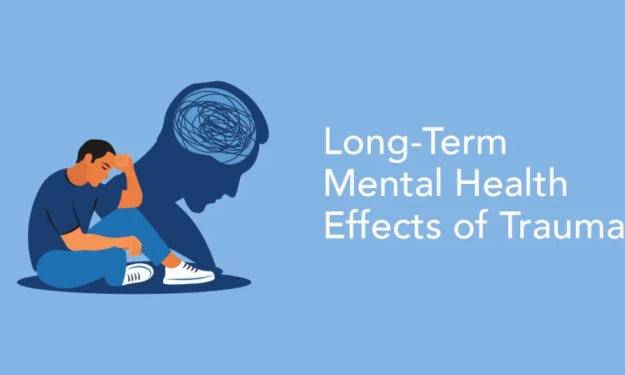
How is trauma in childhood ingrained in the mental health of adults and how are recoveries done?
Childhood is a formative stage of life where the brain, personality, and coping mechanisms are rapidly developing. Trauma during this time can have an impact on a person for the rest of their years. Good experiences—such as nurturing care, stability, and support—can foster resilience and health. Meanwhile, adverse childhood events (ACEs) such as abuse, neglect, loss of parents, or exposure to violence can leave lasting wounds that extend into adulthood. These tend to condition individuals' perceptions of themselves, others, and the world and profoundly affect their mental health consequences.
By Naveen Garg4 months ago in Education
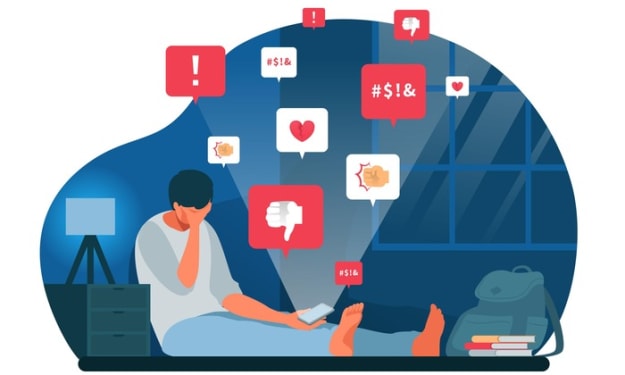
How does social media use impact mental health, and how can healthier online behaviors be encouraged?
Social media use has become a part of daily life in the digital age. Facebook, Instagram, Twitter (X), TikTok, and LinkedIn are some of the social media platforms that provide opportunities for communication, self-expression, and information sharing. For many, social media are used as a source of entertainment, career networking, and community building. However, its effects on mental health are a matter of increasing concern among researchers, physicians, and users. Though social media can be utilized for improving relationships and providing beneficial information, extreme or one-sided usage can result in depression, anxiety, loneliness, and reduced self-esteem. One needs to understand both the advantages and disadvantages of social media so that more positive online behavior can be encouraged that is conducive to emotional well-being.
By Naveen Garg4 months ago in Education
What is post-traumatic stress disorder (PTSD), and how can it be treated successfully?
Post-traumatic stress disorder (PTSD) is a serious illness that happens after one has been exposed to or encountered a traumatic event. Such events may include natural disasters, catastrophic accidents, violent encounters, combat, abuse, or sudden loss of a loved one. While fear, sadness, or painful after trauma is common, the majority of people recover with time and consolation. But in others, the emotional wounds remain unscabbed and the trauma re-emerges in disruptive and agonizing ways—this is where PTSD surfaces.
By Naveen Garg4 months ago in Education
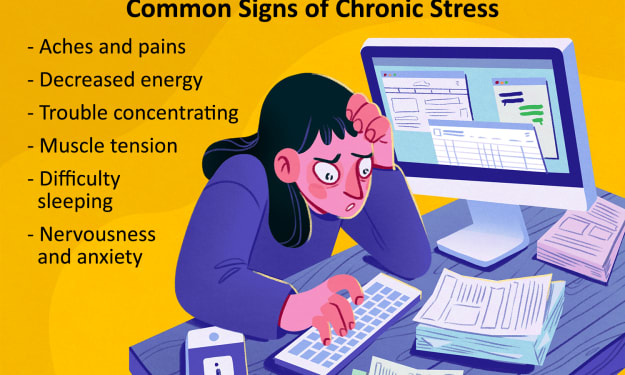
What impact does chronic stress have on mental health, and how is it effectively managed?
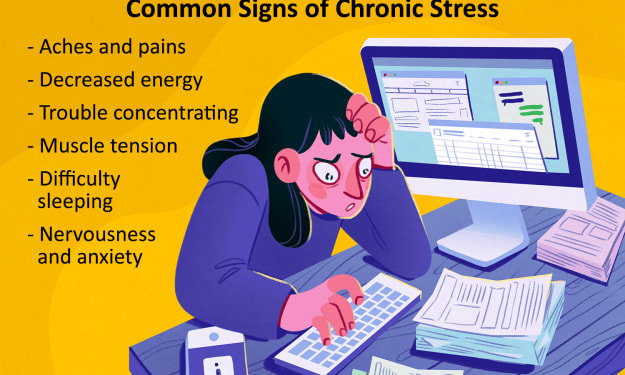
Stress is unavoidable. Whether brought on by work, finances, relationships, or unforeseen issues, there's going to come a time when every individual will experience tension and pressure. Stress, in brief periods, in fact, stimulates us—it focuses our attention and allows us to overcome the obstacle. But when stress occurs repeatedly, that is, over the long term without sufficient relief or coping strategies, it can deeply affect both physical and mental health.
By Naveen Garg4 months ago in Education
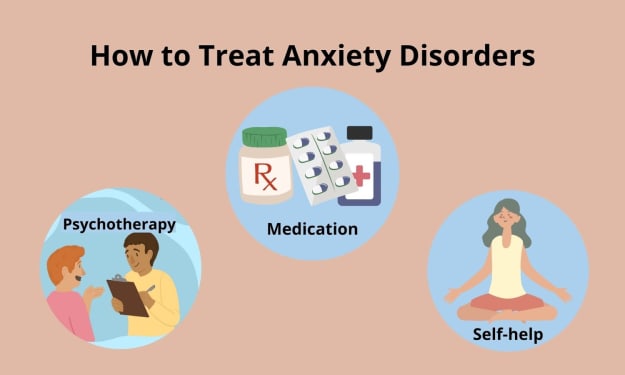
How does anxiety affect daily life, and what are the proper ways of dealing with it?
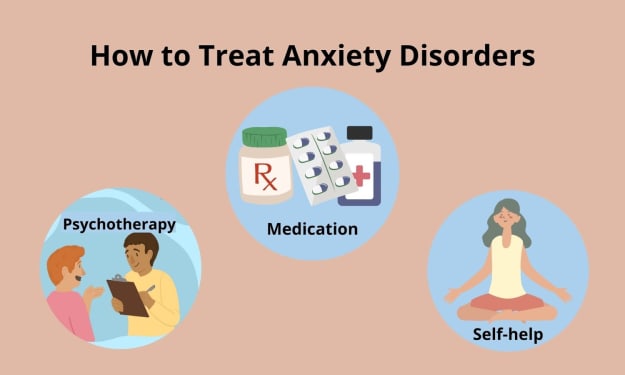
Answer: Anxiety is a normal human response designed to alert us to danger and prepare us for action. In limited amounts, it may be useful—for example, pushing us to prepare for an exam or stay alert when confronted with danger. But when anxiety is excessive, persistent, or out of proportion to the situation, it ceases to be a helpful survival response and instead becomes a crippling mental illness. For many individuals, anxiety is not a transient worry but a chronic struggle that infiltrates work, relationships, physical health, and general quality of life.
By Naveen Garg5 months ago in Education