
How Does Social Media Impact Mental Health?
Social Media
Introduction
In the last two decades, social media has revolutionized how people communicate, learn, and form relationships. Platforms like Facebook, Instagram, Twitter (now X), TikTok, and LinkedIn are no longer just tools for networking—they have become integral to identity, community, and even work. While social media holds out the promise of connection, self-expression, and information-sharing, its effects on mental health are complex and not always positive. For some, social media can motivate, inspire, and teach isolation. For others, it can deepen insecurities, amplify loneliness, and even trigger serious mental illness. Such nuances must be grasped in today's digital-first world.
Positive Effects of Social Media on Mental Health
As much as they have been maligned, social media can be an effective tool for mental well-being improvement if used sensibly.
1. Enhancing Connection and Belonging
Humans are social beings, and social media breaks geographical and cultural boundaries. It keeps families and friends connected despite distance, creating a sense of belonging. For individuals with marginalized identities—e.g., LGBTQ+ youth or individuals with rare health conditions—social media can provide affirming communities that aren't locally available.
2. Mental Health Advocacy and Awareness
Mental health was once highly stigmatized. Today, social media has made it acceptable to discuss anxiety, depression, therapy, and self-care. Campaigns like #BellLetsTalk and #MentalHealthAwareness have encouraged millions of individuals to share their struggles, making others feel less alone and more willing to seek help.
3. Access to Resources and Professional Advice
Psychologists, psychiatrists, and health organizations use social media to offer accessible information on coping strategies, therapy services, and helplines. For those who are not able to attend in-person sessions, online communities and even online therapy sessions offer support.
4. Opportunities for Self-Expression
Through art, writing, photography, and video, social media offers individuals an avenue for expressing their emotions creatively. The creative process can be healing, enhancing self-esteem and giving a voice.
5. Peer Support Groups
Online support groups, such as for trauma survivors, parents of children with disabilities, or people with anxiety disorders, provide validation and understanding. Peer support reduces feelings of isolation, which is often a core component of mental distress.
Negative Effects of Social Media on Mental Health
Despite these benefits, problematic or excessive social media use can be detrimental to mental health.
1. Social Comparison and Low Self-Esteem
Social media has a tendency to foster idealized and curated representations of people's lives. The constant exposure to images of beauty, success, or wealth can foster feelings of inadequacy, jealousy, and shame. Studies have shown that young adults and teenagers, especially women, are more susceptible to body image dissatisfaction due to these comparisons.
2. Cyberbullying and Online Harassment
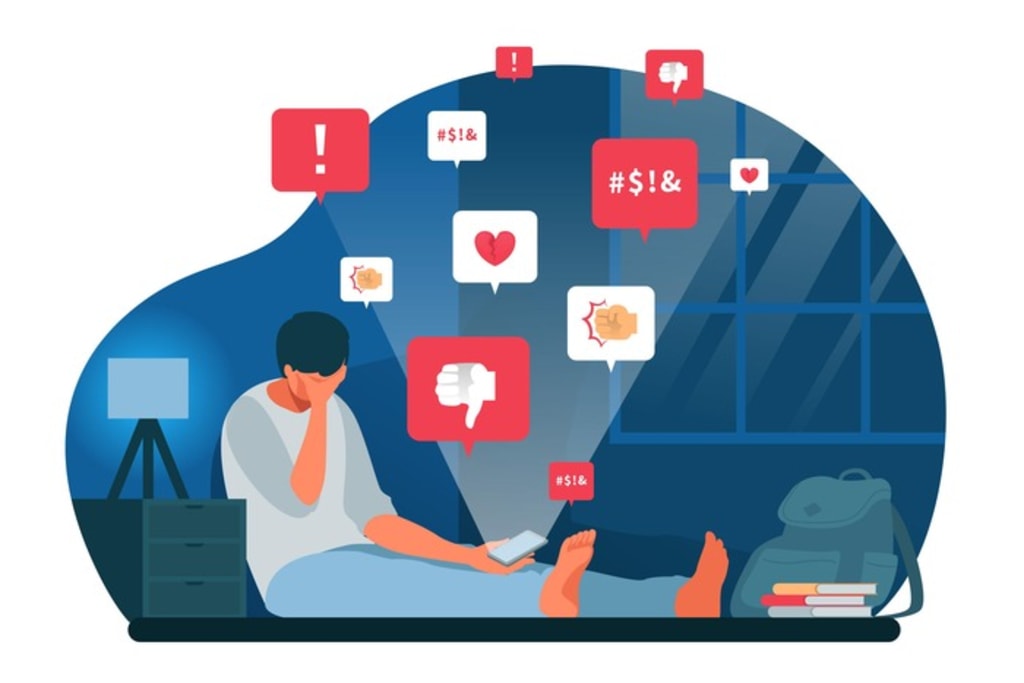
Unlike traditional bullying, cyberbullying can happen 24/7, reaching victims even in the safety of their homes. Hurtful comments, trolling, or public shaming can lead to severe consequences including depression, anxiety, and suicidal ideation.
3. Fear of Missing Out (FOMO)
Scrolling through others’ updates about parties, travel, or achievements can intensify feelings of exclusion. This “fear of missing out” creates dissatisfaction, restlessness, and compulsive use of platforms.
4. Sleep Disturbance
The screen blue light disrupts circadian rhythms, and the emotional stimulation of internet usage makes relaxation harder. Poor sleep results in mood volatility, lack of focus, and heightened susceptibility to anxiety and depression.
5. Addiction and Reduced Productivity
Social media is addictive by design, with endless scrolling, likes, and notifications. Overuse can invade responsibilities, relationships, and self-care, causing stress and guilt.
6. Misinformation and Anxiety
During periods of global crises, such as the COVID-19 pandemic, misinformation regarding it had gone viral on social media. Exposure to inaccurate or scary content can heighten fear, paranoia, and institutional distrust.
Vulnerable Groups
Not everyone is influenced by social media equally.
Teenagers and Adolescents: Identity formation and self-esteem make them vulnerable to peer acceptance, body image issues, and bullying.
Young Adults: Developmental milestones in relationships and career can lead to comparison with others on social media.
Older Adults: Some will feel isolated if they have no digital literacy, while others are susceptible to scams and misinformation.
Individuals with Preexisting Mental Illness: Social media can either be a useful tool or make symptoms worse, depending on use.
Research Insights
A number of studies provide helpful data on the impact of social media:
The University of Pennsylvania study in 2018 found that limiting social media usage to 30 minutes daily reduced depression and loneliness significantly.
The Royal Society for Public Health (UK) reported that Instagram was ranked the worst social media platform for the mental health of young people due to body image issues.
There is, however, other research with positive findings: online peer support tends to reduce stigma and facilitate help-seeking.
This dichotomy suggests that the quality, rather than quantity, of social media engagement is crucial.
Case Examples
Case 1: An Anxious Teen
A 16-year-old is anxious constantly comparing her appearance to influencers. She spends hours editing pictures before posting and nervously awaits likes. Therapy revealed her self-esteem had become tied to online validation. Decreasing screen time and looking at body-positive websites improved her self-esteem.
Case 2: A Veteran Dealing with PTSD
An army veteran was comforted by online support groups for PTSD survivors. Listening to other people's stories normalized his problems and encouraged him to go to therapy.
These examples show how the same tool—social media—can cause harm or heal, depending on usage.
Strategies for Healthy Social Media Use
1. Set Boundaries and Screen Time Limits
Apps now offer daily use reports and timers to prevent overuse. Scheduling "phone-free hours" before bedtime improves sleep and lessens addiction.
2. Curate Your Feed Intentionally
Unfollow feeds that induce envy, shame, or anxiety. Follow pages that enhance mental well-being, education, and creativity instead.
3. Try Digital Detox
Regularly taking breaks from social media can restore perspective. Even a weekend offline can enhance mood and concentration.
4. Engage Actively, Not Passively
Commenting, sharing, or connecting in a meaningful way is superior to passive scrolling, which can only fuel loneliness.
5. Prioritize Offline Relationships
Face-to-face interaction provides deeper connection and emotional intimacy that social media cannot replace.
6. Use Social Media as a Tool, Not a Replacement
Websites should enhance—not replace—therapy, in-person support, and real-world hobbies.
7. Seek Professional Help
If use of social media is causing distress, then underlying issues such as perfectionism, low self-esteem, or compulsive behavior can be treated with therapy.
Future Directions: Building a Healthier Digital Landscape
Most experts agree that the platforms have a collective responsibility to support mental health. This can be done by:
Reducing the visibility of toxic content.
Offering warnings for overuse.
Creating more positive and inclusive environments.
Integrating mental health resources directly into apps.
Collaboration between tech companies, mental health professionals, and lawmakers will be essential to building a healthier digital world.
Final Thoughts
Social media is not inherently bad—it's a tool. And as with any tool, its impact is based on how, when, and why it's used. While it offers the potential for connection, advocacy, and support, it also offers the potential for comparison, cyberbullying, and addiction. The solution lies in mindful use, balanced use, and professional help whenever the need arises. By learning how to control social media and not be controlled by it, individuals can harness its benefits while safeguarding their mental well-being.
For professional intervention and counseling on mental well-being, visit the below link:
https://www.delhimindclinic.com/
About the Creator
Keep reading
More stories from Naveen Garg and writers in Education and other communities.
What Is the Role of Nutrition in Mental Health?
Introduction Mental health is not just influenced by heredity, environment, and life experience but also by the nutritional value. Food we consume influences brain function, synthesis of neurotransmitters, and psychological well-being. New findings in nutritional psychiatry indicate that an optimally balanced diet with sufficient essential nutrients can prevent or attenuate signs of depression, anxiety, cognitive impairment, and other mental disorders. Understanding the interconnection between nutrition and mental health converts individuals into smart consumers who can make wise choices towards instilling emotional resilience, energy, and mental acuity.
By Naveen Garg5 months ago in Education
From Despair to Hope: How Animal Rescue Efforts Rebuild Broken Lives
Animal rescue efforts stand as a powerful response to suffering that often goes unseen. Across towns, cities, and rural areas, animals face neglect, abandonment, injury, and fear every day. Many are left without food, shelter, or medical care. Others are harmed by abuse or natural disasters. Without help, their future is uncertain. Through patience, care, and action, animal rescue efforts transform despair into hope and give animals the chance to heal and live safely.
By Brenda McGrane5 days ago in Education



Comments
There are no comments for this story
Be the first to respond and start the conversation.