
How Does Exercise Impact Mental Health?
Exercise Impact
Introduction
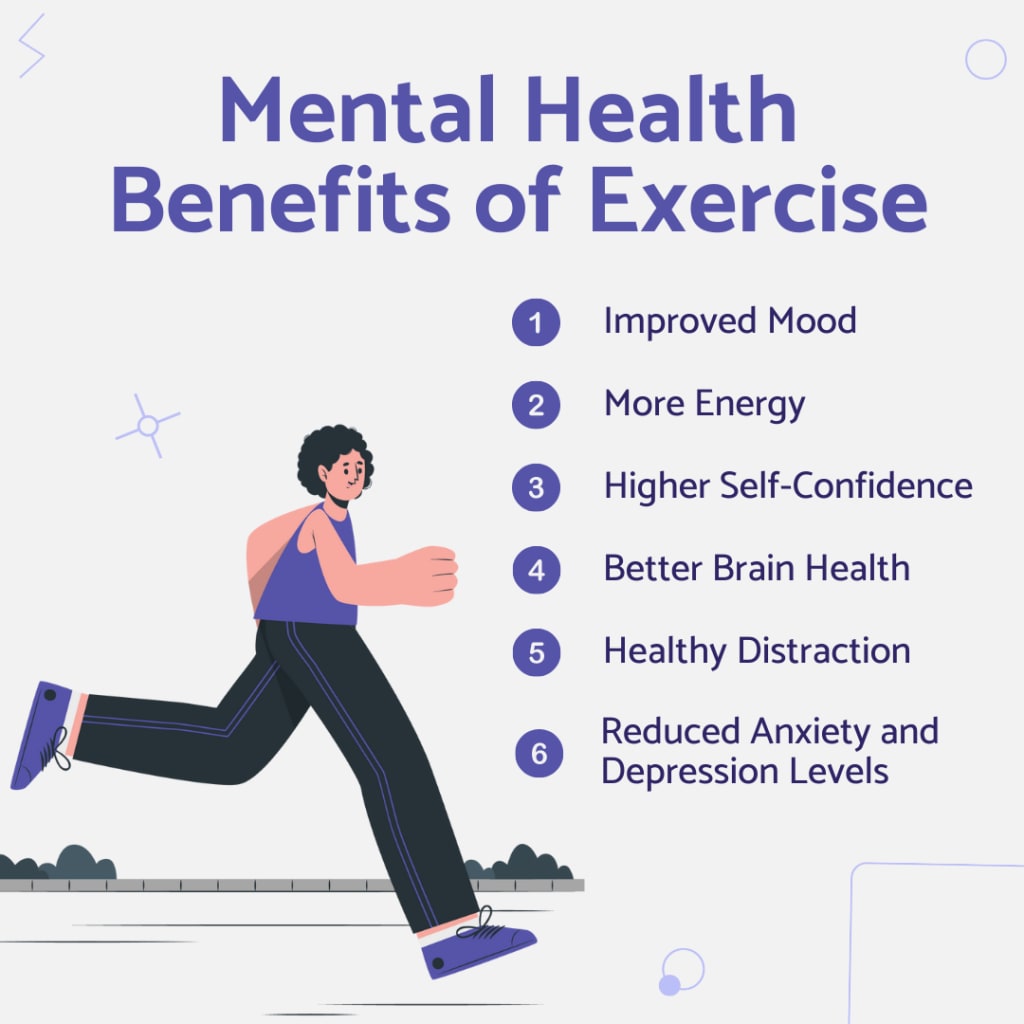
Exercise has been found to offer its benefits to physical health in the form of a better cardiovascular system, more muscular muscles, and better control over body weight. But in recent decades, science has increasingly found that exercise is as vital to the mind as it is to the body. Regular exercise is currently a recognized core element in the prevention and management of mental disorders such as depression, anxiety, stress, and even major diseases such as schizophrenia. It is not a substitute for therapy and medication but a very potent supportive agent that enhances emotional resilience, self-esteem, and overall satisfaction in life.
This comprehensive examination will cover the biological, psychological, and social mechanisms through which exercise favors mental well-being, anchored in research evidence, daily practice, and practical recommendations.
Biological Benefits of Exercise for Mental Health
1. Regulation of Neurotransmitters
Exercise affects brain chemistry directly. Running, swimming, or pedaling a bike, for example, liberates serotonin, dopamine, and norepinephrine—chemicals that are central to keeping mood and motivational levels stable. The biochemical compensation is roughly equivalent to what antidepressant drugs achieve, but naturally so.
2. Release of Endorphins
These "feel-good" chemicals are released during physical activity, and they reduce the sense of pain and increase feelings of well-being. The "runner's high" reported after a long session of aerobic exercise is just one of many natural highs.
3. Stress Hormone Regulation
Chronic stress led to elevated levels of cortisol, which had a negative effect on mood, sleep, and immune function. Exercise represses baseline cortisol levels and facilitates the recovery of the body from stressful experiences.
4. Neuroplasticity and Brain Development
Exercise triggers the release of brain-derived neurotrophic factor (BDNF), which stimulates new neuron growth and strengthens contacts between existing neurons. This serves to enhance memory, accelerate learning, and increase resilience against neurodegenerative disease.
5. Improved Sleep Patterns
Quality sleep is important for emotional equilibrium. Exercise, whether in the morning or afternoon, serves to induce more effective sleep patterns, stabilize the circadian rhythms, and improve energy and mood.
Psychological Benefits of Exercise
1. Reduced Symptoms of Depression and Anxiety
Regular exercise has been proved by different studies to be as effective as taking medication for mild or moderate depression in some individuals. It reduces unnecessary worrying, panic symptoms, and irritability by releasing a natural tension and rumination outlet.
2. Enhanced Self-Esteem and Body Image
Exercise gives a sense of accomplishment. Whether in lifting heavier weights, running longer distances, or merely hanging in there, small victories contribute to self-esteem and better body image.
3. Improved Mental Function
Regular exercise increases blood to the brain, improving focus, creativity, and problem-solving. These are particularly useful in managing conditions such as ADHD.
4. Mind-Body Connection and Mindfulness
Activities like yoga, tai chi, and Pilates combine body movement with control and awareness of the breathing process. These activities calm the nervous system while heightening emotional control and awareness.
Social Benefits of Exercise
1. Creating Community and Connection
Group fitness classes, team sports, or running clubs provide a sense of belonging. This support system reduces loneliness, a major contributor to inadequate mental health.
2. Accountability and Motivation
Group exercising can improve compliance, a determinant of achieving long-term psychological benefits.
3. Collective Success
Participating in events like charity runs or group hikes can bring about pride, group identity, and meaning—all linked with improved well-being.
Real-Life Case Examples
Case 1: Defeating Depression With Exercise
A 28-year-old woman who was struggling with moderate depression began to incorporate brisk walking and short periods of yoga into her routine. In a matter of months, she noticed not only improved mood but also a decrease in negative thought loops. The therapist observed that exercise augmented her cognitive behavior therapy, making her more receptive to positive rephrasing techniques.
Case 2: Exercise in PTSD Recovery
A veteran with posttraumatic stress disorder was swamped by traditional talk therapy at times. With structured strength training, he regained a sense of mastery of his body and reduced hyperarousal symptoms. Finally, self-esteem based on gains in the physical world translated into more productive engagement in trauma-focused therapy.
Research Insights
In 2019, a meta-analysis in JAMA Psychiatry concluded that exercise significantly lowered symptoms of depression across a broad variety of populations.
Harvard T.H. Chan School of Public Health reported that daily running for 15 minutes or walking for an hour reduces the risk of severe depression by 26%.
Older adults' studies indicate that exercise lowers the risk of cognitive impairment, slowing down conditions such as dementia.
These findings substantiate that exercise is medicine for the body and the brain.
Practical Strategies for Making Exercise Happen
1. Start Small and Build Habits
Walk, stretch, or exercise using body weight for 10–15 minutes to begin with. More than intensity, consistency works in the initial stages.
2. Choose Fun Activities
Enjoyment is what sustainability is about. Dancing, swimming, or walking is as good as going to the gym.
3. Bring Movement into Daily Life
Small changes—stairs instead of elevator, walk-and-talk meetings, or a bicycle to work—add up to big changes over time.
4. Balance Aerobic and Strength Training
Cardio enhances mood and energy, whereas resistance training increases confidence and self-discipline. Both need to be part of a well-balanced regimen.
5. Combine Exercise and Mindfulness
Mindful walking or yoga activities combine physical and emotional benefits and enhance their effects.
6. Avoid Perfectionism
It is not to reach some perfect body type but to become healthier and stronger mentally. Exercise as love for oneself rather than punishment prevents burnout.
Barriers to Exercise and How to Break Them Down
Lack of Motivation: Break down goals into smaller, manageable steps.
Time Constraints: Rapid exercises (10–20 minutes) still provide mental health benefits.
Physical Limitations: Chair yoga or water aerobics are adaptable to different needs.
Intimidation or Inexperience: Trainers, apps, or online communities can help alleviate initial fears.
Removing and overcoming these barriers is the key to sustained adherence.
Final Thoughts
Physical activity is also among the most universal, low-cost, and effective interventions for mental health. Its benefits transcend biology, psychology, and social connection and thus represent a comprehensive intervention for well-being. While no panacea, incorporating regular physical activity into daily life can significantly reduce stress, enhance mood, and build resilience.
The takeaway: exercise isn't merely about building a healthier body—it's about building a healthier mind. For the depressed, anxious, or stressed, even small steps towards consistent exercise can make lasting shifts.
For professional help and more mental health resources, you can visit:
About the Creator
Keep reading
More stories from Naveen Garg and writers in Education and other communities.
How Does Social Media Impact Mental Health?
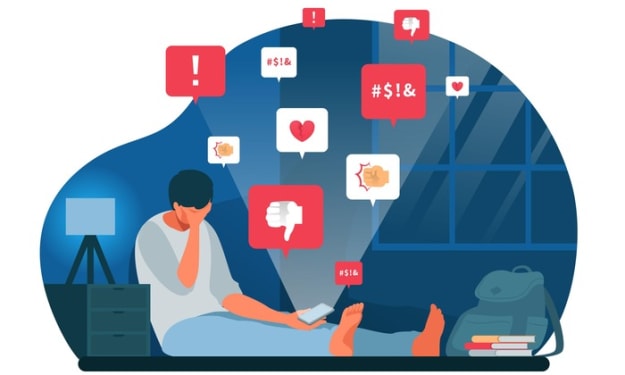
Introduction In the last two decades, social media has revolutionized how people communicate, learn, and form relationships. Platforms like Facebook, Instagram, Twitter (now X), TikTok, and LinkedIn are no longer just tools for networking—they have become integral to identity, community, and even work. While social media holds out the promise of connection, self-expression, and information-sharing, its effects on mental health are complex and not always positive. For some, social media can motivate, inspire, and teach isolation. For others, it can deepen insecurities, amplify loneliness, and even trigger serious mental illness. Such nuances must be grasped in today's digital-first world.
By Naveen Garg5 months ago in Education
10 Unconventional but Highly Effective Ways to Learn French Faster
Most people who want to learn French all start in the same place. Grammar books, rules, written exercises, conjugation tables, structured courses, and the reassuring feeling of “making progress.” Yet after months, sometimes years, many are still unable to hold a real conversation. They hesitate, translate in their head, search for words, lose confidence, and eventually conclude that French is simply too complicated for them.
By Bubble Chill Media 3 days ago in Education
How Mathematical Principles Drive Stable Monthly Results in Index Trading
Index trading has gained popularity among investors who value consistency over speculation. While market headlines often focus on short-term price swings, steady monthly returns in index trading are built on mathematical logic rather than predictions. By understanding how numbers shape market behavior, traders can develop strategies that prioritize reliability and long-term growth over emotional decision-making.
By Agast Mishraabout 15 hours ago in Education


Comments
There are no comments for this story
Be the first to respond and start the conversation.