
How Does Social Media Impact Mental Health?
Social Media
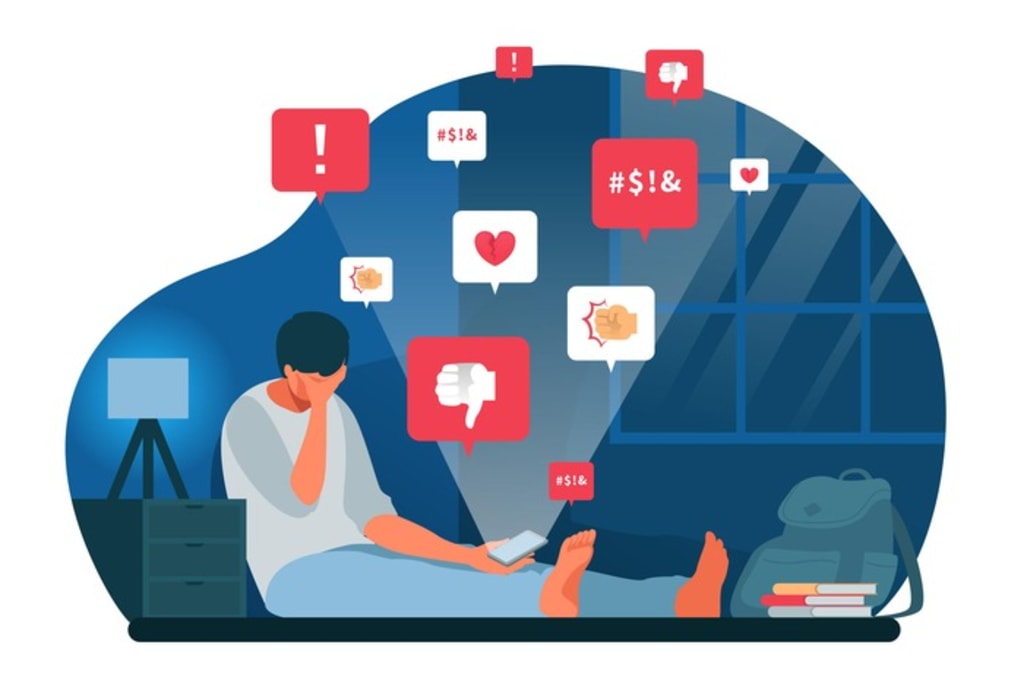
Social media is an ever-present force in modern digital existence. Facebook, Instagram, Twitter (X), and TikTok connect billions of users from all corners of the world, making it simpler than ever to communicate, express oneself, and share information. While social media provides a great many benefits, including building communities and spreading awareness, its impact on mental health is still a concern that continues to grow. Studies now show that excessive use or social media imbalance is the cause of stress, anxiety, depression, loneliness, and self-perception distortion. At the same time, it can be a means of support, learning, and empowerment if used responsibly.
Knowledge of both the advantages and disadvantages of social media is essential in cultivating a healthy relationship with technology.
The Positive Side of Social Media
It is also important to understand that social media is not inherently evil. In fact, it has a variety of psychological benefits when used correctly:
Connection and Belonging
Social media allows individuals to maintain relationships in the face of geographical distances, keep close to relatives and friends, and form groups online based on common experiences or interest. This sense of belonging reduces isolation.
Awareness and Education
Platforms provide information on mental health, promote awareness campaigns, and reduce stigma. People learn about therapy options, coping strategies, and stories of recovery.
Support Networks
Web forums provide secure environments in which people suffering from mental health disorders can share their experiences freely without risk of retribution. Peer support is best at reducing loneliness.
Self-Expression
Social media provides creativity through writing, photography, art, and video. For many, it is an avenue to process feelings and share their story.
Access to Professional Resources
Many clinics, therapists, and agencies put up mental health tips, hotlines, and educational material through social networks, making these more accessible.
The Negative Effects of Social Media on Mental Health
While it is positive, social media use also comes with serious psychological risks, most especially when one becomes over or addicted to it.
1. Stress and Anxiety
A continuous flow of alerts, likes, and messages keeps one under pressure to be constantly available and responsive.
FOMO locks individuals glued to their screens, increasing anxiety levels.
2. Loneliness and Depression
Excessive scrolling, especially through idealized perceptions of other individuals' lives, leads to social comparison.
Research shows that heavy social media users are lonelier even though they are "virtually connected."
3. Low Self-Esteem and Disatisfaction with Body Image
Social media platforms like Instagram present unrealistic ideals of beauty through filters and heavily edited images.
Young adults and adolescents are most vulnerable to body dissatisfaction and eating disorders because they are constantly exposed to idealized ways of life.
4. Sleep Disturbances
Screen blue light disrupts melatonin release, resulting in sleep delays.
Late-night browsing increases overstimulation, leading to insomnia and tiredness.
5. Addiction and Compulsive Use
Social media applications are designed to be addictive, following algorithms that feed on constant use.
Compulsive use interferes with normal functioning, productivity, and face-to-face interactions.
6. Cyberbullying and Harassment
Online trolling, bullying, or harassment have catastrophic effects on mental health, particularly in teens.
The victims become more depressed, socially retreat, and even develop suicidal ideation.
The Role of Age and Vulnerability
Teenagers and Young Adults: Particularly susceptible from the perspective of identity formation, peer pressure, and susceptibility to social comparison.
Adults: Social media can be a stress source related to work (constant connectivity) and relationship stress.
Vulnerable Individuals: Those who already have mental illness are bound to observe that social media worsens symptoms.
The Psychological Mechanisms Behind the Impact
Social Comparison Theory
Humans naturally compare to assess themselves. Social media makes this worse, with members constantly being presented with others' "highlight reels."
Dopamine and Reward Systems
Notifications and likes trigger dopamine, leading to short-term pleasure. Members slowly build up desires for these validations, leading to compulsivity.
Fear of Missing Out (FOMO)
The never-ending stream of updates makes others seem like they have more exciting, fulfilling lives, leaving users dissatisfied.
Strategies for Healthy Social Media Use
1. Set Boundaries
Limit daily screen time using app timers.
Schedule "offline hours" especially in the evening.
2. Curate Your Feed
Follow accounts that motivate, educate, and inspire you.
Unfollow or silence accounts that lead to comparison or negativity.
3. Use Thoughtfully
Pose yourself a question before opening an app: to connect, learn, or out of habit?
Replace mindless scrolling with purposeful engagement.
4. Prioritize Real-Life Connections
Prioritize face-to-face interactions to balance out online connections.
Do offline pastimes and sports.
5. If Needed, Seek Help
If social media use worsens anxiety, depression, or low self-esteem, get a mental health counselor.
Role of Parents and Teachers
In kids and teens, parenting is paramount:
Encourage open dialogue about the online life.
Set healthy screen-use practices.
Educate them to separate real life from online personas.
Schools can also adopt digital literacy programs that teach kids how to conduct themselves well online and remain mindful of mental wellness.
Final Thoughts
Social media is a double-edged sword. It can unite, motivate, and empower—and isolate, hurt, and distort reality also. It all depends on how, why, and how much it is done, which will influence mental health. Smart, intentional use of social media, combined with self-care and face-to-face connections, can allow someone to benefit from it without suffering its detriments.
For professional guidance and mental health therapy, click on:
About the Creator
Keep reading
More stories from Naveen Garg and writers in Education and other communities.
What Is the Connection Between Trauma and Mental Health?
Trauma is a major risk factor for mental illness. Trauma is an emotional response to very disturbing or distressing events, such as abuse, neglect, violence, natural disasters, or accidents. While most people heal from trauma in time with support, others experience long-lasting psychological effects that interfere with their lives. The connection between trauma and mental health is profound, influencing how individuals think, feel, and interact with the world around them. It is essential to comprehend the relationship to interrupt cycles of pain and further healing.
By Naveen Garg5 months ago in Education
Leading Beyond Limits: The Role of Executive Leadership in Achieving Organizational Excellence
In today’s dynamic and competitive business landscape, organizations are constantly pursuing not just growth but excellence. While growth reflects success in the marketplace, true organizational excellence is measured by sustainability, innovation, culture, and impact. At the core of this transformation is executive leadership—a force that guides businesses beyond short-term wins toward long-term significance.
By Yeasha Sobhan6 days ago in Education
Rachel Reviews: The Spiral Archive by Pieter Hendrik
It's difficult for me to know where to start with a review of this book as it was, for me, an entirely unique experience and one that I'll probably never have again. I don't want that to be interpreted as unenjoyable but it has left me scratching my head a little and ruminating on its content, its themes and its characters.
By Rachel Deeminga day ago in BookClub



Comments
There are no comments for this story
Be the first to respond and start the conversation.