Naveen Garg
Stories (243)
Filter by community
What Is the Connection Between Trauma and Mental Health?
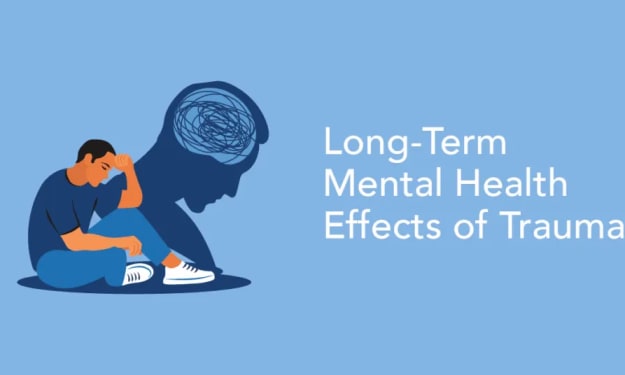
Trauma is a major risk factor for mental illness. Trauma is an emotional response to very disturbing or distressing events, such as abuse, neglect, violence, natural disasters, or accidents. While most people heal from trauma in time with support, others experience long-lasting psychological effects that interfere with their lives. The connection between trauma and mental health is profound, influencing how individuals think, feel, and interact with the world around them. It is essential to comprehend the relationship to interrupt cycles of pain and further healing.
By Naveen Garg5 months ago in Education
What Are the Early Signs of Depression and Why Is Early Detection Important?
Introduction Depression is a most common mental disorder, and several times it goes undiagnosed in early stages. Most people attribute their mood swings, sleepiness, or temperamental behavior to temporary stress or circumstances, when in fact these could be early manifestations of clinical depression. Detection of prodromal symptoms of depression is important because timely intervention can arrest the progression of symptoms, improve the recovery outcome, and maintain the overall quality of life.
By Naveen Garg5 months ago in Education
How Does Anxiety Impact Everyday Life?
Anxiety is a natural and frequently adaptive human feeling that helps us prepare to meet challenges. But when anxiety grows excessive, chronic, and out of proportion to real situations, it can disrupt everyday functioning in many ways. Anxiety disorders are among the most prevalent mental health issues in the world, affecting millions of individuals across age, gender, and background. Realizing the effects of anxiety on daily life is imperative not only for individuals who live it but also for employers, families, and communities who want to provide assistance.
By Naveen Garg5 months ago in Education
How Does Stress Contribute to Depression?
Stress is a shared human experience. It is the body's natural defense against stress, activating the "fight or flight" response that allows us to cope with the danger before us. While sporadic stress is stimulating and defensive, relentless or unbearable stress destroys physical and mental health. Its very powerful link to depression is one of the most frightening consequences. Understanding how stress causes depression is crucial for prevention, early recognition, and effective treatment.
By Naveen Garg5 months ago in Education
What are the typical causes of Depression?
Depression is the most prevalent mental disorder, affecting millions of people worldwide. Depression is not just feeling sad or being "down"—it is a chronic disease that impacts daily functioning, relationships, work performance, and overall health. Even though at times depression may appear without a clear cause, in most cases, it is linked with recognizable causes. Familiarity with these causes facilitates prevention, early recognition, and treatment.
By Naveen Garg5 months ago in Education
How Does Anxiety Affect Daily Functioning?
Introduction Anxiety is a natural human response to danger, uncertainty, or stress. In small doses, it can even be helpful—alerting and motivating us. However, when anxiety becomes chronic, excessive, and overwhelming, it no longer serves a protective role. Rather, it begins to affect daily functioning, disrupting routines, productivity, relationships, and overall quality of life.
By Naveen Garg5 months ago in Education
How Does Depression Influence the Body?
Introduction Depression is usually called an "invisible illness" because its primary symptoms—sadness, hopelessness, and loss of interest in activities—might not at all be visible to the outside world. Depression is not just a mental disease, though; it has a strong influence on the body as well. There is ample evidence that depression can weaken the immune system, disrupt sleep, cause chronic pain, and even result in fatal diseases like heart disease and diabetes.
By Naveen Garg5 months ago in Education
What Are the Long-Term Effects of Untreated Anxiety?
Introduction Anxiety is one of the most common mental health disorders worldwide, affecting millions of individuals from all walks of life. While normal anxiety is a natural human response to stress, continuous anxiety that goes unchecked can greatly impact daily life, interpersonal relationships, and overall well-being. The majority of individuals do not recognize anxiety as "excessive worrying" or believe that it will pass on its own, but unchecked anxiety—when left untreated—has long-term dire consequences.
By Naveen Garg5 months ago in Education
How Can Therapy Help Improve Mental Health?
Therapy, or counseling and psychotherapy, is arguably the most powerful tool available for improving mental well-being. While medication can work to address chemical imbalances in the brain, therapy provides the tools, awareness, and skills that a person needs to cope with the root of emotional pain. Whether one suffers from anxiety, depression, trauma, or relationship problems, therapy offers a safe and structured environment in which to explore thoughts and feelings.
By Naveen Garg5 months ago in Education
How Does Stress Impact Mental Health?
Introduction Stress is a part of life. It happens when we encounter barriers, demands, or threats that disrupt our usual comfort zone. In moderate amounts, stress is good—stress gets us to get the job done on time, perform better, and adapt to new surroundings. However, when stress turns out to be too much or prolonged, it can impair mental health.
By Naveen Garg5 months ago in Education
How Sleep Affects Mental Health
Sleep is described as the "reset button" for the body and brain. While the general public understands that sleep contributes to physical energy and performance, its profound impact on mental health is sometimes overlooked. Sleep isn't merely a resting phase—it is an active process in which the brain regulates mood, deals with emotions, consolidates memory, and re-establishes homeostasis to the nervous system.
By Naveen Garg5 months ago in Education
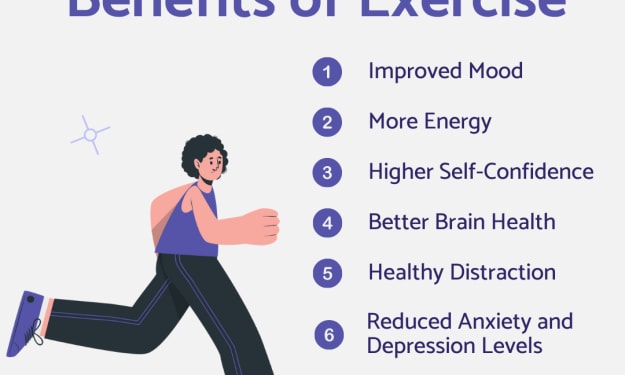
What Is the Connection Between Exercise and Mental Health?
Throughout many decades, exercise has been associated with physical results like weight management, improved cardiovascular well-being, and boosted muscular strength. In recent years, however, researchers and practitioners have increasingly directed interest toward another intense facet of exercise—its influence on mental well-being.
By Naveen Garg5 months ago in Education