
How Nutrition Affects Mental Health?
Nutrition Affects

Introduction
The old saying "you are what you eat" has never sounded truer than when it comes to mental health. Diet is not generally accorded the importance it ought to have when emotional well-being comes up for consideration, but it plays an enormously important part in the way we feel, think, and behave. Just as food sustains the body, it fuels the brain—the command center for emotions, thinking, and recovery. In recent decades, scientific evidence has increasingly revealed that diet is not only essential in the prevention of physical illnesses like diabetes or heart disease but also in the preservation of healthy brain function and the prevention of psychiatric disorders.
This article will explore the complex relationship between nutrition and mental health, explaining how diet influences brain chemistry, mood regulation, and emotional resilience. We’ll also look at research insights, practical strategies, and barriers people face when trying to eat in ways that benefit both body and mind.
The Brain-Gut Connection
Most compelling of all is probably the gut-brain axis, or the network of communication between the central nervous system and the gastrointestinal system. The gut has been nicknamed the "second brain" because it contains millions of neurons and releases neurotransmitters like serotonin, of which about 90% is manufactured in the gut.
When the gut microbiome, or the intricate community of bacteria and microorganisms in the intestines, is healthy and in balance, it is the promoter of healthy mood, prevents inflammation, and supports cognitive functioning. Diets with high-processed food, sugar, and unhealthy fats, on the other hand, have been found to destroy the microbiome, which leads to increased susceptibility to anxiety, depression, and stress.
Key Nutrients Influencing Mental Health
1. Omega-3 Fatty Acids
Found in fatty fish (sardines, salmon), flaxseeds, and walnuts, the omega-3 fatty acids are employed in the structure and communication of brain cells. They have been linked with lower rates of depression and improved brain function.
2. B Vitamins
B6, B12, and folate are important to the synthesis of neurotransmitters like dopamine and serotonin. Deficiency in these has been linked to mood disorders, fatigue, and irritability.
3. Vitamin D
These are sometimes referred to as the "sunshine vitamin," and their action influences serotonin regulation. Low levels of vitamin D have been linked to depression, particularly where sunlight exposure is low.
4. Magnesium
This mineral regulates stress response by calming the nervous system. Leafy greens, nuts, and whole grains may be employed to ease anxiety and promote sleep.
5. Protein and Amino Acids
Proteins provide amino acids, which are neurotransmitter building blocks. For example, tryptophan, which is found in turkey, eggs, and seeds, is needed to produce serotonin.
6. Complex Carbohydrates
Whole foods and high-fiber foods provide sustained glucose to the brain, which regulates mood and energy. Unlike refined carbs causing sugar highs and lows, complex carbs promote stable emotions.
7. Antioxidants
Vitamins C and E, being phytochemicals in vegetables and fruits, reduce oxidative stress and inflammation, both being contributors to mental illness.
Diet Patterns and Mental Health Outcomes
1. The Mediterranean Diet
Fruit-, vegetable-, legume-, nut-, whole-grain-, and fish-based diet that has been discovered across the board to be associated with lower risks of depression and cognitive decline.
2. Western Diet
High in processed food, unhealthy fats, and refined sugar, the Western diet has been linked to higher levels of depression, anxiety, and insomnia.
3. Plant-Based Diets
Plant-based diets, with appropriate planning with sufficient protein and B vitamins, can support mental well-being through reduced inflammation and improved gut health. However, poorly formulated vegan or vegetarian diets can result in deficiencies, particularly in B12 and iron.
Psychological Benefits of Good Nutrition
1. Mood Regulation
Balanced diet controls blood glucose to prevent mood swings and irritability. It ensures consistent neurotransmitter release, improving emotional balance.
2. Stress Management
Nutrient-rich diet increases stress tolerance via maintenance of nervous system and adrenal functions. Magnesium and omega-3 fatty acids are particularly effective in calming responses.
3. Better Sleep
Certain foods, such as magnesium and tryptophan-containing foods, possess the potential to increase the quality of sleep, which in turn improves emotional control and reduces anxiety.
4. Cognition
Diet influences memory, concentration, and learning. Antioxidants and omega-3s protect against age-related cognitive impairment and neurodegenerative illnesses.
Real-Life Case Examples
Case 1: A Student with Anxiety
A university student aged 20 used to intake excessive levels of caffeine, energy drinks, and food products. He became jittery, felt overwhelmed, and couldn't focus. Under guidance, he replaced his diet with well-balanced meals, whole-grain foods, and hydration. Within a few weeks, the symptoms of anxiety reduced, and his academic results improved.
Case 2: An Adult with Depression
A 35-year-old woman with mild depression started on a Mediterranean diet under the guidance of a nutritionist. She reported better mood, fewer cravings, and improved sleep in six months. Along with therapy, her dietary modifications greatly helped in her recovery.
Research Evidence
One study published in BMC Medicine in 2017 showed that those who used a Mediterranean-style diet had significantly lower depressive symptoms than those who did not.
The SMILES study conducted in Australia suggested that nutritional treatment may reduce the severity of depression even in individuals with major depressive disorder.
Epidemiological studies time and time again have created a strong connection between processed food diets and increased risks of mental illness.
Successful Strategies for Utilizing Nutrition to Promote Mental Wellness
1. Prioritize Whole Foods
Choose fresh produce, vegetables, whole grains, lean meat, and healthy fats as the principal ingredients in meals.
2. Drink Sufficiently
Dehydration causes fatigue, irritability, and a poor concentration. Have adequate daily water intake.
3. Limit Processed Foods and Sugar
Decrease fast food, soda, and processed snacks. These cause blood sugar swings that affect mood.
4. Regular Eating
Don't skip meals as it causes irritability and poor concentration. An even regular meal stabilizes energy and mood.
5. Mindful Eating Habits
Listening to the body and emotional impact of food encourages healthy choices and prevents overeating.
6. Get Professional Advice
A counselor or dietitian can provide individualized advice, especially for individuals with specific conditions like eating disorders or deficiencies.
Barriers to Healthy Eating
Expense: Healthy food costs a lot. Solutions include buying seasonal produce or cooking meals in large quantities.
Time Restraints: Busy lives have a tendency to promote fast food consumption. Cooking in advance can do away with this.
Ignorance: People are generally not enlightened about the role food plays in mood. Health counseling and education can fill this gap.
Cultural Tradition: Cultural traditions lean towards giving priority to less healthy foods. Recipe adaptations can rectify cultural foods with healthier versions.
Final Thoughts
Nutrition is not a cure for mental illness, but it is an integral component of mental health. As exercise constructs the body and mind, food is the nutrient fuel that sustains emotional equilibrium, resilience, and mental sharpness. A diet rich in whole foods, omega-3 fatty acids, vitamins, and antioxidants can reduce risk of mental health issues and aid recovery from present conditions.
By adopting little deliberate steps in the direction of better diet, individuals can create extremely deep, long-term shifts to their mental health. In addition to therapy, as and when medication, and modifications in lifestyle, adequate nutrition gives a holistic foundation for mental well-being.
For more professional mental health guidance and care, visit:
About the Creator
Keep reading
More stories from Naveen Garg and writers in Education and other communities.
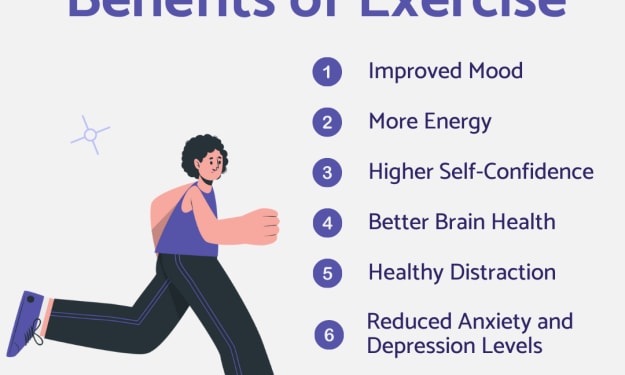
How Does Exercise Impact Mental Health?
Introduction Exercise has been found to offer its benefits to physical health in the form of a better cardiovascular system, more muscular muscles, and better control over body weight. But in recent decades, science has increasingly found that exercise is as vital to the mind as it is to the body. Regular exercise is currently a recognized core element in the prevention and management of mental disorders such as depression, anxiety, stress, and even major diseases such as schizophrenia. It is not a substitute for therapy and medication but a very potent supportive agent that enhances emotional resilience, self-esteem, and overall satisfaction in life.
By Naveen Garg5 months ago in Education
The Energy Pivot The State of Russia’s Oil and Gas in 2026
For decades, this was the "world's gas station": Russia's pipeline network to Europe was the veins of the world economy. By 2026, that aura is dull and those veins are rerouted out of Europe. Since the collapse of the Soviet Union, the Russian oil and gas sector is facing the largest structural change.
By Neeraj kumar5 days ago in Education
Do you really need to take 10,000 steps a day?
While most people avoid spending the night in jail, Jean Béliveau jumped at the opportunity. For the past three years, Béliveau had been walking from country to country, with the goal of circumnavigating the globe on foot. This required sleeping in tents, strangers’ homes, and the occasional jail cell along the way. But this morning, as Béliveau was ready to leave, the police chief, who had agreed to his sleeping arrangement, was nowhere to be found, and the guards weren’t buying his story. Few people have the time or desire to walk such extreme lengths.
By Munesh Yadavabout 3 hours ago in Education


Comments
There are no comments for this story
Be the first to respond and start the conversation.