Latest Stories
Most recently published stories in History.
The 13th-Century Toilet at St Andrews Castle: A Glimpse Into Medieval Sanitation
St Andrews Castle in Scotland, perched dramatically on a cliff overlooking the North Sea, holds centuries of history within its weathered stone walls. While it is well known as the residence of bishops, a fortress, and a site of political intrigue, one of its more unusual features is its medieval toilet system—what’s often referred to as a “garderobe.” This 13th-century toilet at St Andrews Castle was ingeniously constructed to empty directly down the cliff and into the sea, serving as a unique solution to the waste disposal challenges of medieval times.
By Deji Akomolafeabout a year ago in History
Food Sovereignty and Bolivarian Resistance: Venezuela at the Forefront of the FAO Summit
Venezuela’s ambassador to the FAO, Marilyn Di Lucca, opened the event by emphasizing how, despite severe unilateral coercive measures imposed by the United States and its allies, Venezuela has turned an economic crisis into an opportunity to reinvent itself. "We are not here just to reflect on the past," the ambassador declared, "but to plan the future of a country that, with initiatives like urban agriculture and sustainable production, is reclaiming its economic and social destiny."
By Maddalena Celanoabout a year ago in History
We are Poisoning Ourselves: Ghana's Gold Rush Sparks Environmental Disaster
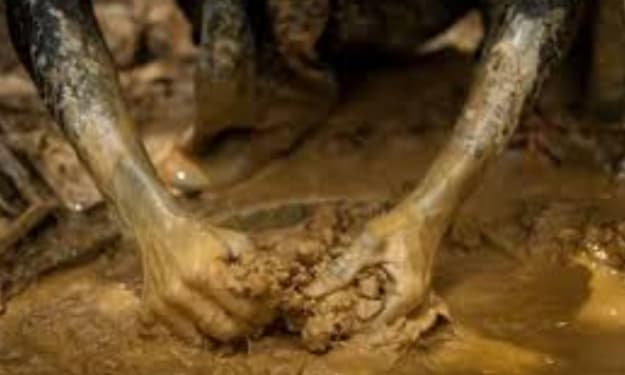
The gold rush in Ghana, one of the world's largest producers of gold, is fueling an environmental catastrophe. While gold mining has been a vital part of Ghana's economy for centuries, the rapid expansion of illegal and unregulated mining activities—known locally as "galamsey"—has sparked an ecological disaster. With gold in high demand, miners have been exploiting Ghana's resources at an unsustainable rate, leading to severe consequences for both the environment and local communities.
By Zinnat ara Begumabout a year ago in History
Exploring the Resilient World of the Inuit
In one of the most inhospitable regions on Earth, where the night can last for months and survival is a daily challenge, a people have managed to thrive for millennia: the Inuit. Their story is one of remarkable resilience, ingenuity, and adaptation to a hostile environment that most would consider uninhabitable. Join us on a journey through the fascinating history and culture of the Inuit, uncovering their ancestral secrets and learning how they continue to prosper in one of the planet's most extreme environments.
By A Históriaabout a year ago in History
AI Art: Revolutionizing Creativity in the Digital Age
The intersection of artificial intelligence (AI) and art has ignited a revolution in the creative world. In an era where machines can generate captivating visuals, write poems, and even compose music, the concept of art is being redefined. This exciting yet controversial development raises questions about creativity, originality, and the future of human artistry. AI art, which involves using algorithms and machine learning to create artwork, is not just a technological curiosity—it’s reshaping how we understand and engage with creativity.
By Zinnat ara Begumabout a year ago in History
The Spooky Ghost Town You’ve Never Heard of
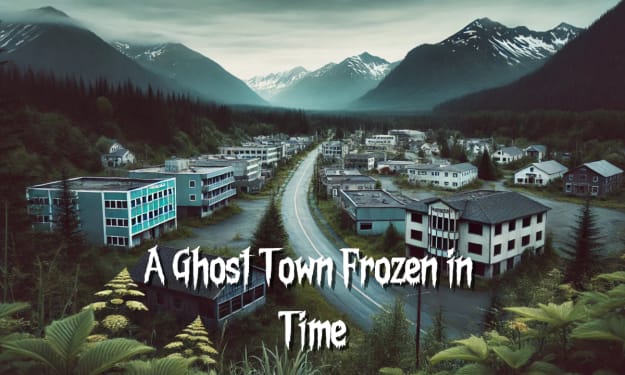
Imagine wandering through the vast wilderness of British Columbia, breathing in the crisp mountain air and soaking in the stunning views of towering forests and rugged fjords. As you venture deeper into this remote land, along the wild Alaskan border, you stumble across something truly unexpected: a quaint little town nestled at the very tip of a massive fjord. At first glance, it seems full of life. The homes are well-maintained, the streets are spotless, and—here’s the kicker—the lights are still on in every building. It’s like a Norman Rockwell painting come to life... except, no one’s home. Welcome to Kitsault, a ghost town frozen in time, with all the lights on but not a soul to be seen.
By Marveline Merababout a year ago in History
Mozart’s Kitchen at No. 9 Getreidegasse: A Glimpse Into the Daily Life of a Musical Prodigy
In the heart of Salzburg, Austria, tucked away in the narrow and picturesque Getreidegasse, stands a house that has become a symbol of one of the greatest musical geniuses the world has ever known. No. 9 Getreidegasse is not just any house—it is the birthplace of Wolfgang Amadeus Mozart. Born on January 27, 1756, in this very building, Mozart spent the early years of his life within these walls, and it is here that the foundation of his extraordinary musical career was laid.
By Deji Akomolafeabout a year ago in History
The Ancient World’s Ultimate Knowledge Hub That Went Up in Flames (Literally!): The Library of Alexandria
Imagine a place where the world’s greatest minds gathered to share knowledge, philosophy, science, and art—essentially the intellectual equivalent of the best university, museum, and think tank combined. That was the Library of Alexandria, a beacon of knowledge in the ancient world and, quite possibly, the ultimate treasure trove of human achievement. It was a place where scrolls piled higher than your unread emails, and scholars could spend their entire lives researching just about everything.
By Marveline Merababout a year ago in History
The Roman Cisternone: A Testament to the Ingenuity of Ancient Roman Engineering
Nestled beneath the streets of Albano Laziale, a town near Rome, lies one of the most extraordinary yet lesser-known marvels of Roman engineering: the Cisternone Romano, or Roman Cistern. This massive underground water reservoir, built almost 1,800 years ago, stands as a silent witness to the ingenuity, craftsmanship, and architectural prowess of ancient Roman builders. Constructed between the 2nd and 3rd centuries AD under the direction of Emperor Septimius Severus, the Roman Cisternone was designed to supply water to the camp of the Second Parthian Legion. However, its significance transcends its functional origins, becoming an enduring monument to the might and sophistication of the Roman Empire.
By Deji Akomolafeabout a year ago in History
How a Powerful Old Painting Changed the World: Michelangelo’s Sistine Chapel
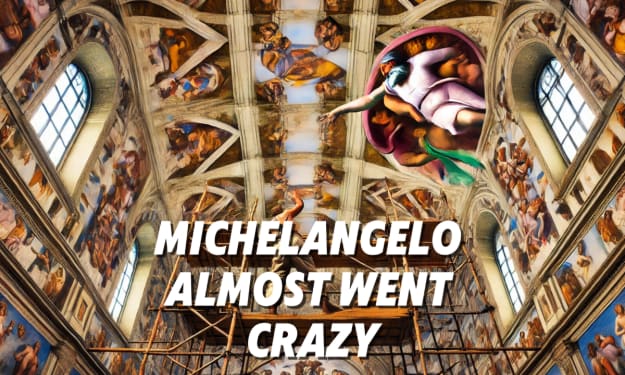
Ever feel like you’ve been assigned a task that’s way outside your job description? Well, Michelangelo certainly did. When he got the call from Pope Julius II to paint the Sistine Chapel ceiling, the famed sculptor was far from thrilled. Michelangelo didn’t even consider himself a painter at all—he was a man of stone and chisels. But like any good artist (or reluctant contractor), he took on the job. What followed was four years of back-breaking, neck-straining work that nearly broke his spirit. But the result? A piece of art so breathtaking, people today still crane their necks to admire it. So, let’s dive into the tale of how Michelangelo transformed the Sistine Chapel ceiling from a plain old roof into one of the world’s most iconic masterpieces—while muttering complaints about how he should’ve stuck with sculpting!
By Marveline Merababout a year ago in History