
We are Poisoning Ourselves: Ghana's Gold Rush Sparks Environmental Disaster
Illegal Gold Mining in Ghana: Poisoning Water, Destroying Forests

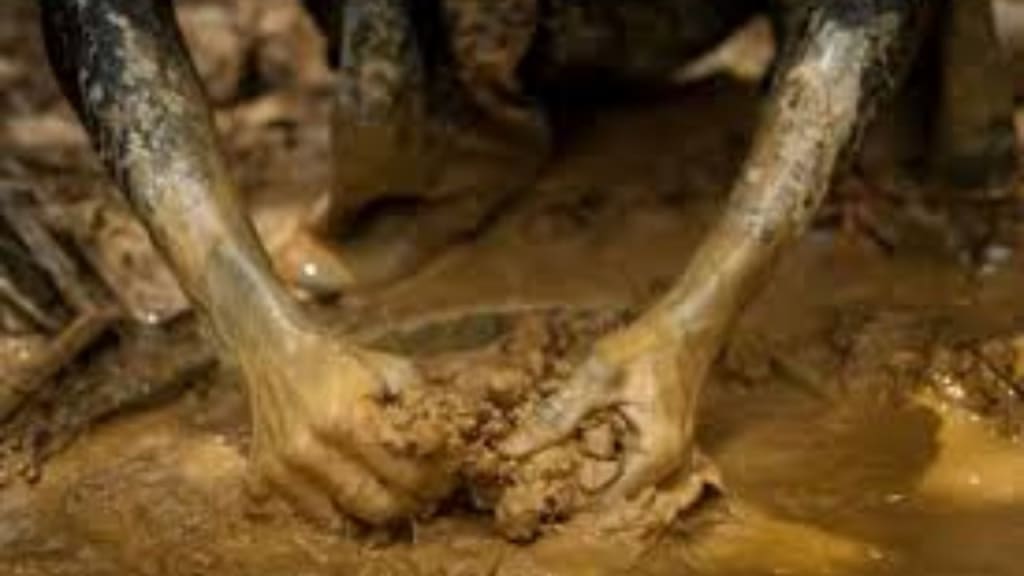
The gold rush in Ghana, one of the world's largest producers of gold, is fueling an environmental catastrophe. While gold mining has been a vital part of Ghana's economy for centuries, the rapid expansion of illegal and unregulated mining activities—known locally as "galamsey"—has sparked an ecological disaster. With gold in high demand, miners have been exploiting Ghana's resources at an unsustainable rate, leading to severe consequences for both the environment and local communities.
The Gold Rush in Ghana: A Double-Edged Sword
Ghana's rich gold reserves have attracted both multinational corporations and small-scale miners. Gold mining contributes significantly to the country's GDP, generating employment and bringing foreign investment. However, this rapid growth has a darker side. While licensed mining operations are regulated, a substantial portion of the mining activities—particularly in rural areas—are illegal and harmful to the environment.
Illegal miners, motivated by the prospect of quick riches, use destructive techniques that devastate landscapes and pollute water sources. The results? Deforestation, the contamination of rivers with toxic chemicals like mercury and cyanide, and a lasting toll on the biodiversity of Ghana’s once-pristine ecosystems.
Environmental Devastation: The Toll of Unregulated Mining
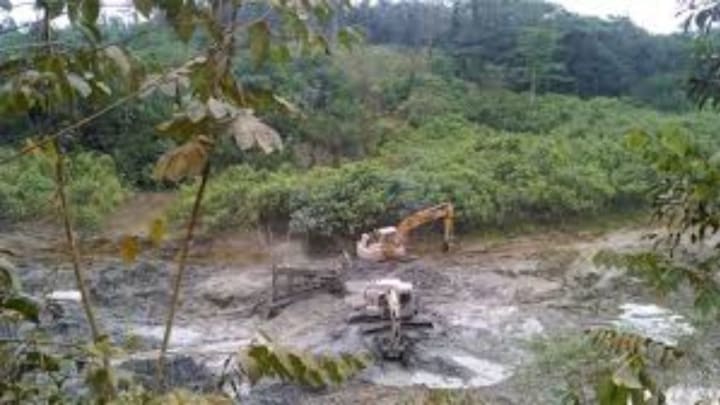
The environmental consequences of illegal gold mining in Ghana are severe. Entire forests have been razed, and fertile lands transformed into wastelands, unfit for agriculture. Rivers, once a lifeline for rural communities, are now dangerously polluted, often running with murky water laced with harmful chemicals. This contamination threatens not only the environment but also public health, as local populations rely on these water sources for drinking, fishing, and farming.
Water pollution:
Mercury and cyanide, used to extract gold from ore, seep into rivers, contaminating the water supply. This leads to the destruction of aquatic life and poses a significant risk to human health, as mercury poisoning can cause severe neurological and developmental issues.
Deforestation:
The gold rush has resulted in the clearing of vast tracts of forest land, increasing the risk of soil erosion and reducing the region's biodiversity.
Soil degradation:
As forests are destroyed and lands are overmined, soil fertility declines, making it nearly impossible to rehabilitate the land for future agricultural use.
Human Cost: Poisoning Communities and Future Generations
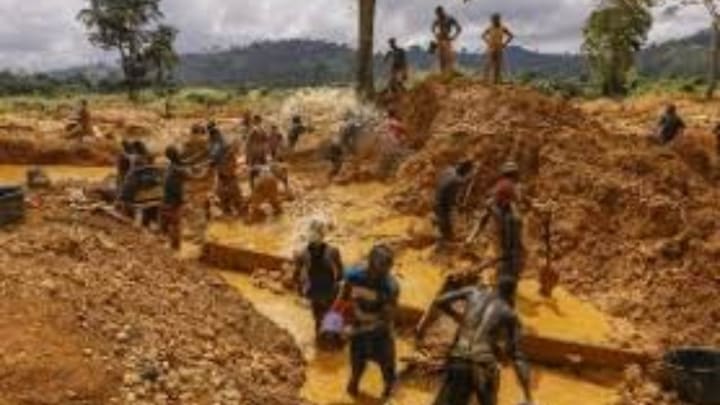
The environmental crisis is taking a direct toll on the communities that live near the mining areas. Many are unwittingly consuming toxic water, which leads to a range of health problems, including respiratory diseases, skin conditions, and long-term damage from mercury exposure. Children born in these regions are at an increased risk of developmental issues due to prolonged exposure to contaminated water and food.
Local farmers, whose livelihoods depend on fertile land and clean water, are also suffering. With agriculture becoming increasingly difficult, many have been forced to abandon their fields and, in some cases, join the illegal mining activities themselves in search of an income, perpetuating the cycle of environmental destruction.
One local activist lamented, “We are poisoning ourselves. Our water is polluted, our forests are gone, and soon there will be nothing left.”
The Role of Galamsey: The Rise of Illegal Mining
At the heart of this environmental disaster is the rise of galamsey, the illegal small-scale gold mining that thrives in rural Ghana. Despite government efforts to regulate and crack down on these activities, galamsey remains widespread due to its profitability and the limited economic opportunities available in rural areas.
Galamsey operations are typically run by groups who have little regard for environmental regulations. They often dig indiscriminately, using crude methods and harmful chemicals, further accelerating environmental degradation. This unregulated industry has not only caused environmental devastation but also contributed to social problems, including crime and violence in mining communities.
Government Efforts and Challenges
The Ghanaian government has taken steps to address the environmental destruction caused by illegal mining. In recent years, there have been crackdowns on galamsey operations, and new laws have been introduced to regulate mining practices more effectively. A military task force, known as "Operation Vanguard," was deployed to stop illegal mining activities, and licenses for small-scale mining were temporarily suspended.
However, enforcing these regulations has proven difficult. Many illegal mining operations are located in remote areas, making it challenging for authorities to monitor and shut them down. Moreover, the high profitability of gold mining continues to lure people into galamsey, despite the environmental and legal risks.
The Path Forward: Balancing Environmental Protection and Economic Growth
Ghana’s gold mining industry remains crucial to its economy, but finding a balance between economic growth and environmental protection is essential for the future. Addressing the environmental impact of gold mining will require stronger regulation, better enforcement, and a commitment to sustainable mining practices.
Stricter regulations:
The government needs to enforce stricter environmental regulations for both legal and illegal miners, ensuring that mining companies adopt environmentally friendly practices and restore damaged lands.
Sustainable mining techniques:
Promoting the use of sustainable mining techniques can help reduce the environmental impact of gold mining. This includes reducing the use of toxic chemicals like mercury and reforesting areas that have been mined.
Community involvement:
Engaging local communities in the fight against illegal mining is crucial. By providing alternative livelihood options and educating people about the long-term consequences of environmental destruction, the government can reduce the appeal of galamsey.
International support:
The international community also has a role to play by promoting responsible sourcing of gold and ensuring that multinational companies adhere to high environmental standards in their operations.
/VIDEO
Conclusion
Ghana's gold rush has brought prosperity to some, but it has also unleashed an environmental disaster that threatens the country's natural resources and public health. The rise of illegal mining and the reckless use of toxic chemicals have left a trail of destruction in their wake. The challenges of regulating an industry as vast and lucrative as gold mining are immense, but the cost of inaction is even greater.
Without urgent intervention, Ghana risks losing its forests, poisoning its people, and depleting its natural resources beyond repair. Striking a balance between economic development and environmental conservation is the only path forward—one that ensures the benefits of gold mining do not come at the expense of future generations.
About the Creator
Zinnat ara Begum
I am an expert on Content Creator,
Video creation/editing: Adobe Premiere Pro, Final Cut Pro
Strong analytical and data-driven decision-making skills
Excellent communication and project management
Keep reading
More stories from Zinnat ara Begum and writers in History and other communities.
AI Art: Revolutionizing Creativity in the Digital Age
The intersection of artificial intelligence (AI) and art has ignited a revolution in the creative world. In an era where machines can generate captivating visuals, write poems, and even compose music, the concept of art is being redefined. This exciting yet controversial development raises questions about creativity, originality, and the future of human artistry. AI art, which involves using algorithms and machine learning to create artwork, is not just a technological curiosity—it’s reshaping how we understand and engage with creativity.
By Zinnat ara Begumabout a year ago in History
A woman from a vanished female dynasty was discovered buried with 270,000 beads.
In a Copper Age tomb close to Seville, Spain, the Montelirio bead assemblage contains over 270,000 beads that identify the ladies buried there as elites. The discovery is the biggest collection of beads ever
By Francis Dami4 days ago in History
The Ottoman Empire
In the late thirteenth century, when the great empires of the medieval world were beginning to crack under their own weight, few would have noticed a small Turkic tribe living on the edge of the collapsing Byzantine Empire. They owned little land, had no grand cities, and were surrounded by stronger rivals. Yet from this humble beginning would rise one of the longest-lasting and most influential empires in human history: the Ottoman Empire.
By The best writer 3 days ago in History



Comments
There are no comments for this story
Be the first to respond and start the conversation.