
AI Art: Revolutionizing Creativity in the Digital Age
The Intersection of Technology and Art in the Age of AI

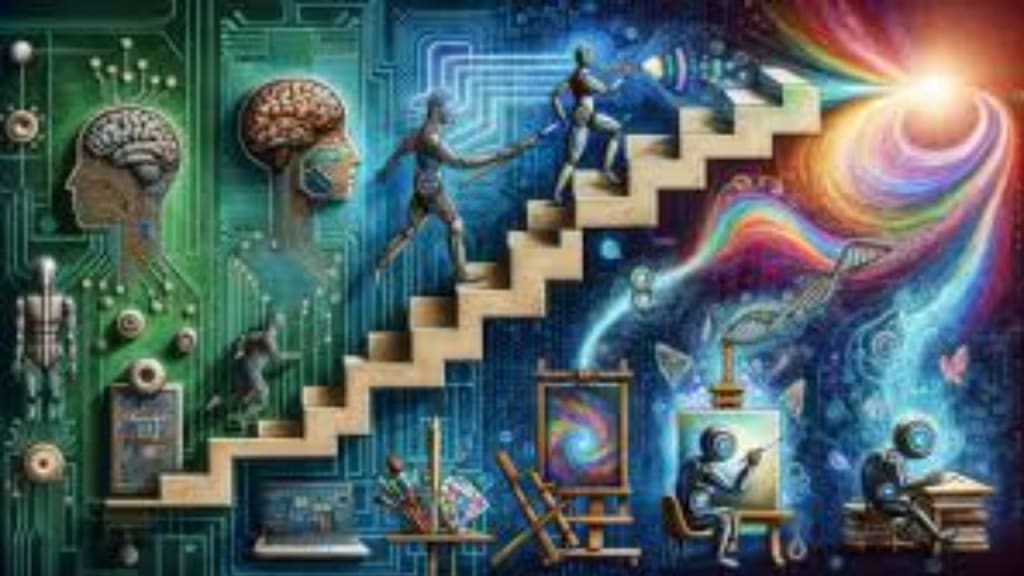
The intersection of artificial intelligence (AI) and art has ignited a revolution in the creative world. In an era where machines can generate captivating visuals, write poems, and even compose music, the concept of art is being redefined. This exciting yet controversial development raises questions about creativity, originality, and the future of human artistry. AI art, which involves using algorithms and machine learning to create artwork, is not just a technological curiosity—it’s reshaping how we understand and engage with creativity.
What is AI Art?
AI art refers to artwork generated by artificial intelligence systems that simulate human creativity. It involves algorithms trained to analyze data, recognize patterns, and create unique visual outputs. These algorithms can learn to replicate styles, create entirely new ones, or combine elements of existing works in ways that often surprise their human collaborators.
AI-generated art is not limited to digital paintings. It spans a wide range of artistic media, including sculptures, music, videos, and even immersive virtual environments. AI art draws on large datasets of human-created works and uses machine learning techniques like Generative Adversarial Networks (GANs) to produce something new. The result? Art that can be at once familiar and utterly alien.
How AI Art is Made: Tools and Techniques
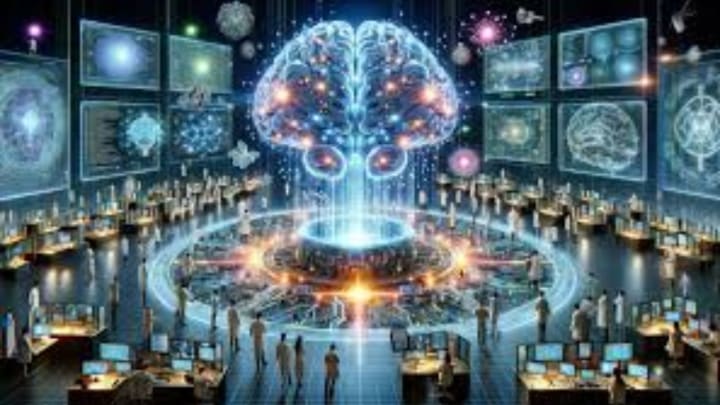
Creating AI art typically involves using sophisticated algorithms that can learn from vast datasets and apply the knowledge to produce new content. Some of the most popular AI art tools include platforms like DALL·E, DeepDream, and MidJourney.
DALL·E: This AI model developed by OpenAI generates highly detailed images from text descriptions. It can create surreal and creative images by understanding and combining concepts in ways humans may not imagine.
DeepDream: Created by Google, this tool enhances and morphs images by recognizing patterns in pictures and transforming them into dream-like visuals.
MidJourney: A rising tool that allows users to create visually stunning and abstract pieces, often blending real-world and fantasy elements.
These tools enable both professional and amateur artists to create original artwork by simply inputting a few parameters. The machine then generates a piece that may reflect human-like creativity or bring out entirely new concepts. Often, artists collaborate with AI, using its results as a foundation, which they further refine to meet their artistic vision.
The Impact of AI on the Art World
The arrival of AI-generated art has sparked a broad debate in the creative community. AI challenges our traditional understanding of creativity, raising fundamental questions:
Can machines be creative, or are they just replicating patterns?
Is AI art truly "art" if it lacks human intention?
Many artists are embracing AI as a tool that enhances their creative processes, allowing them to explore uncharted territory. For example, AI can help artists create complex visuals they may not have the skills to produce on their own or introduce elements of randomness that push the boundaries of their work.
However, some critics argue that AI art lacks the emotional depth, intent, and soul of human-made art. While AI may be able to mimic certain styles or techniques, can it truly replicate the personal experiences, emotions, and cultural context that underpin traditional artwork? Despite these concerns, AI art is gaining traction in the mainstream, with notable examples being auctioned at prestigious art houses like Christie’s.
AI Art in Commercial Use
AI art is not confined to galleries and museums; it is rapidly becoming a commercial tool across industries. Companies use AI-generated designs for advertising, marketing, and product development. AI’s ability to generate customized and unique art in a matter of minutes makes it a valuable asset in the fast-paced world of branding.
One of the most intriguing developments is the role of AI in the NFT (Non-Fungible Token) market. AI-generated digital art has become a hot commodity, with collectors paying millions for one-of-a-kind pieces. In this new frontier, AI tools allow artists to create and sell digital artworks as NFTs, opening new revenue streams and creating a decentralized art market.
Ethical Concerns and Controversies
With the rise of AI, art comes important ethical questions. One of the most pressing issues is copyright and ownership. If an AI generates artwork, who owns it—the machine’s creator, the user, or the algorithm itself? Moreover, AI algorithms often learn by analyzing existing human-created works. This has led to concerns about plagiarism and whether AI art is truly original or just a reassembly of existing art.
Another debate revolves around the future of human creativity. As AI art tools become more accessible, some fear that human artists may be rendered obsolete. While AI can certainly mimic or enhance creative processes, many believe that the human element—the emotion, experience, and cultural context behind art—remains irreplaceable.
The Future of AI in Art
Looking ahead, it’s clear that AI will continue to play an increasingly prominent role in the art world. As technology advances, AI’s ability to create more nuanced and sophisticated artwork will grow, potentially blurring the line between human and machine-generated creativity.
Many artists see AI as a collaborator rather than a competitor. They believe that by combining human intuition with machine learning, new forms of expression will emerge. This collaborative approach could redefine the concept of authorship, where both humans and machines contribute to the creative process.
Additionally, AI art has the potential to democratize creativity. With easy-to-use tools, even those without formal training can generate stunning artwork. AI offers the possibility for more people to engage with art-making, fostering a broader appreciation for the creative process.
/VIDEO
Conclusion
AI art is undeniably reshaping the creative landscape, offering new tools and possibilities for artists while also challenging traditional notions of creativity and originality. Whether viewed as a novel tool for innovation or a threat to human artistry, AI is here to stay. As technology continues to evolve, it will be fascinating to see how AI art evolves alongside it, pushing the boundaries of what is possible in the realm of creativity.
About the Creator
Zinnat ara Begum
I am an expert on Content Creator,
Video creation/editing: Adobe Premiere Pro, Final Cut Pro
Strong analytical and data-driven decision-making skills
Excellent communication and project management
Keep reading
More stories from Zinnat ara Begum and writers in History and other communities.
The Weird History of the Barcode
Barcodes are now an everyday sight, from grocery stores to online shopping. This simple, striped symbol has made retail faster and more efficient. But did you know that the history of the barcode is filled with twists and unusual beginnings? From an idea sketched in the sand to its adoption in the retail world, the barcode's journey is as strange as it is fascinating.
By Zinnat ara Begumabout a year ago in History
Frozen Ground
Silence meant the guns were cooling. It meant men were waiting. It meant something was about to break. We were dug in along a frozen stretch of road near the Imjin River, the kind of place that didn’t look important until history decided otherwise. The cold wasn’t just uncomfortable—it was personal. It crept into your boots, your bones, your thoughts. At night, I dreamed of heat: radiators, kitchens, the smell of coffee. I woke up with frost on my helmet.
By Gaofeng Wang4 days ago in History



Comments
There are no comments for this story
Be the first to respond and start the conversation.