Naveen Garg
Stories (243)
Filter by community
How Does Social Media Impact Mental Health, and How Do We Use It Responsibly?
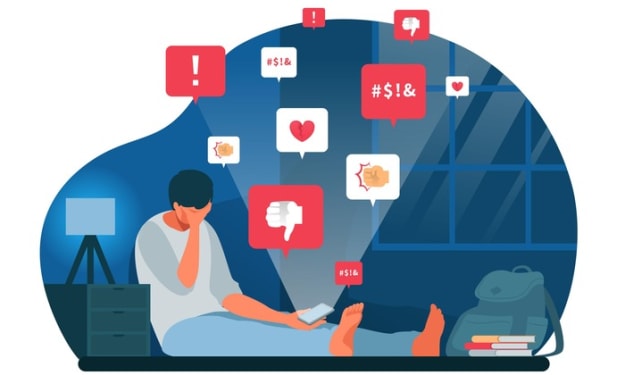
Introduction In the last twenty years, social media has transformed the way human beings communicate, share, and connect. Social media sites such as Facebook, Instagram, Twitter (X), TikTok, and LinkedIn are now part and parcel of life. They make it possible for immediate communication, global networking, and access to unlimited information. Yet, like any powerful tool, the impact of social media on mental health is two-edged.
By Naveen Garg5 months ago in Education
What Are the Psychological Effects of Loneliness, and How Can It Be Overcome?
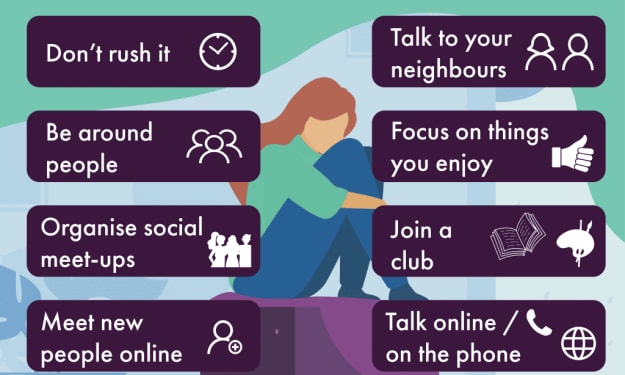
Loneliness is typically described as a painful sensation of disconnection—a feeling of isolation even when one is surrounded by others. Unlike solitude, which can be sought and enjoyed, loneliness is an unwanted state that has negative effects on emotional, psychological, and physical well-being. In today's high-tech rapid-paced world, many are more "connected" online but less emotionally fulfilled in their real lives, so loneliness has emerged as a growing public health concern.
By Naveen Garg5 months ago in Education
How Does Stress Influence Mental Health, and What Are the More Effective Coping Mechanisms?
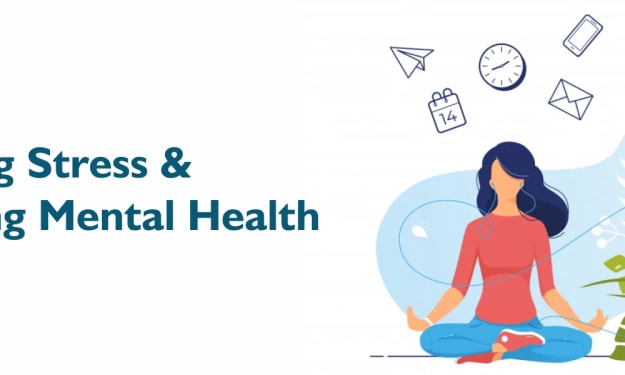
Stress is part of life. Whether it is a product of work pressures, money problems, academic challenges, or relationship difficulties, stress is an experience that everyone encounters at one time or another. While short-term stress might at times act as a stimulus, long-term stress can exact a heavy cost on mental and physical health. In fact, chronic stress is one of the leading causes of anxiety, depression, burnout, and other mental illness.
By Naveen Garg5 months ago in Education
What Is the Role of Therapy in Depression Treatment?
Introduction Depression is one of the most common and misunderstood mental disorders worldwide. It is more than sadness or temporary low mood. In individuals who experience depression, it can influence energy, motivation, sleep, appetite, relationships, and overall quality of life. The good news is that depression is treatable, and therapy is one of the most helpful aspects in recovery.
By Naveen Garg5 months ago in Education
How Social Media Impacts Mental Health
Social media has become the integral part of modern life. Facebook, Instagram, X (then Twitter), TikTok, and LinkedIn are but some of the sites to reach billions of people all over the world, opening doors to converse with each other, exchange experiences, and learn. As its role expanded, so has the worry about its influence on mental health.
By Naveen Garg5 months ago in Education
How Can Stress Management Improve Mental Well-being?
Introduction Stress is inevitable. Whether it is job pressure, academic pressures, financial troubles, or relationship issues, stress reaches everyone at some point or another. While short-term stress will sometimes motivate us to perform more effectively, chronic stress can result in heavy harm to the body and mind.
By Naveen Garg5 months ago in Education
What Is the Relationship Between Diet and Mental Health?
The adage "you are what you eat" is truer than we might appreciate. Not only is nutrition essential for physical wellness, but it plays a key role in mental health as well. In the last several decades, scientists have progressively revealed the profound relationship between diet and mental health, demonstrating that what we eat can affect mood, cognition, and overall psychological function.
By Naveen Garg5 months ago in Education
How Does Stress Affect Mental Health?
Introduction Stress is unavoidable. From job deadlines and financial worries to relationship issues and health concerns, stress affects everybody in some way or another. In moderation, even stress can be beneficial—it motivates us, clears our heads, and challenges us to respond. But when stress becomes chronic, overwhelming, or unrelenting, its effect on mental health can be devastating.
By Naveen Garg5 months ago in Education
What are the Early Warning Signs of Mental Health Problems?
Introduction Mental health issues are not likely to just appear overnight. There are usually early warning signs that indicate someone is struggling. These signs often reveal themselves quietly at first—such as changes in mood, behavior, or sleep—but they soon become more noticeable and interfere with daily life. The identification of these signs in the early stages is crucial as early intervention and care can ease the issue from getting out of hand, reduce distress, and improve the recovery process. Most people overlook or misinterpret these signs until the issue becomes unmanageable. In awareness, communities, families, and individuals can take proactive measures in safeguarding mental health.
By Naveen Garg5 months ago in Education
How Does Managing Stress Improve Mental Health?
Introduction Stress is an unavoidable part of modern life. From work deadlines and money matters to family or friends and medical issues, nearly everyone experiences stress at some point. While minor stress may be energizing at times, frequent or inescapable stress has serious unwanted effects on mental health. Chronic stress can create problems such as anxiety, depression, insomnia, and burnout. Learning to manage stress effectively is therefore critical—not only for overall health but for avoiding and mitigating mental health problems as well.
By Naveen Garg5 months ago in Education
What is the Role of Family Support in Mental Health Recovery?
Mental health recovery is rarely a lone journey. Although medication, therapy, and lifestyle change are required components, the role of family support is often equally so. Families can provide strength, stability, and encouragement during times of hardship. On the other hand, a lack of knowledge or dysfunctional family structures may sometimes get in the way of recovery. Understanding the way that family support can affect mental health can help the patient and their family make it through this experience with compassion and effectiveness.
By Naveen Garg5 months ago in Education
How Does Stress Management Improve Mental Well-being and Reverse Burnout?
Stress is unavoidable in modern living. Although some level of stress will motivate us to work within strict deadlines, learn new skills, and remain vigilant, too much and unrestrained stress will significantly impair mental and physical health. If left unchecked, stress will convert to burnout, a state of emotional, mental, and physical exhaustion that lowers one's productivity.
By Naveen Garg5 months ago in Education