
What Is the Connection Between Trauma and Mental Health?
Trauma and Mental Health
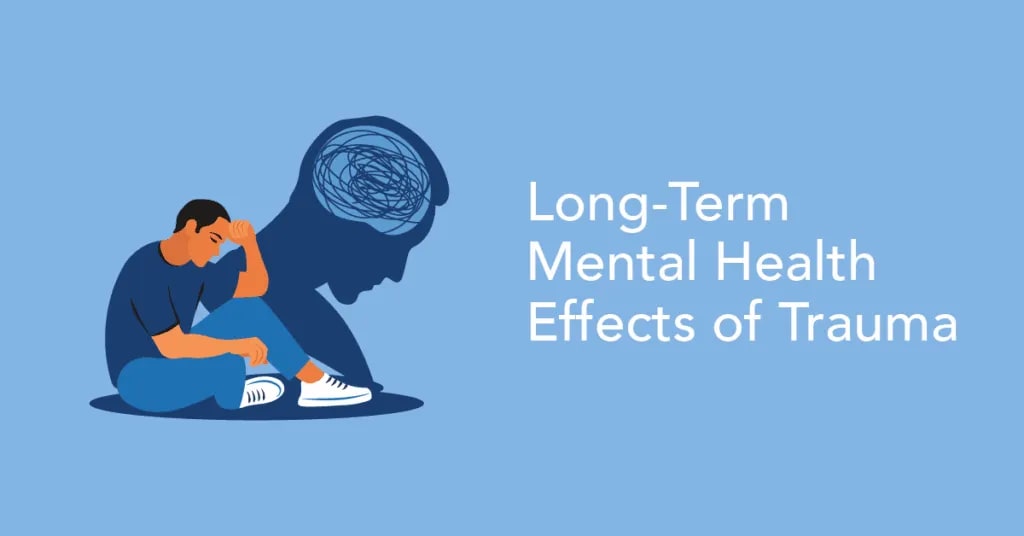
Trauma is a major risk factor for mental illness. Trauma is an emotional response to very disturbing or distressing events, such as abuse, neglect, violence, natural disasters, or accidents. While most people heal from trauma in time with support, others experience long-lasting psychological effects that interfere with their lives. The connection between trauma and mental health is profound, influencing how individuals think, feel, and interact with the world around them. It is essential to comprehend the relationship to interrupt cycles of pain and further healing.
What Is Trauma?
Trauma occurs when an event overpowers a person's capacity to cope. The event may be a single incident (e.g., a car accident), ongoing exposure (e.g., childhood in a violent household), or complex experiences (e.g., serial childhood abuses).
Some of the forms of trauma include:
Acute trauma: Resulting from a single incident.
Chronic trauma: Ongoing exposure to stressful events.
Complex trauma: Multiple traumatic events that occur over a span of time, typically in childhood.
The impact of trauma differs according to age, personality, resilience, and support systems.
How Trauma Affects the Brain
Trauma alters the brain's chemistry and structure, especially when it happens during childhood.
Amygdala (fear center): Becomes hyperactive, leading to hypervigilance and overreacting to fear.
Hippocampus (processing memory): Can shrink, and it becomes hard to distinguish between current and past threats.
Prefrontal cortex (logical thinking): Underactive in trauma survivors, and emotional regulation becomes harder.
These changes explain why trauma survivors may relive experiences, trust issues, or difficulties managing emotions.
Trauma and Mental Health Disorders
1. Post-Traumatic Stress Disorder (PTSD)
PTSD is the most well-known trauma effect. Symptoms include flashbacks, nightmares, avoidance behaviors, and exaggerated startle responses.
2. Depression
Trauma undermines self-esteem, creating chronic sadness, despair, and withdrawal from activities. Childhood trauma, in particular, is a strong predictor of adult depression.
3. Anxiety Disorders
Survivors may develop generalized anxiety, panic attacks, or phobias. Their nervous systems are perpetually "on edge," even when there is no danger.
4. Substance Use Disorders
Some use alcohol or drug use as a way of numbing emotional pain. While this may provide temporary relief, it worsens long-term mental health effects.
5. Borderline Personality Disorder (BPD)
Childhood trauma is strongly linked to BPD, which is characterized by unstable relationships, mood swings, and self-injurious behaviors.
6. Dissociative Disorders
In extreme cases, individuals dissociate from reality or develop multiple personalities as a defense mechanism for unbearable memories.
Emotional and Behavioral Consequences
Beyond clinical diagnoses, trauma influences everyday emotions and behaviors. Common effects include:
Hypervigilance: Constantly scanning the environment for threat.
Emotional numbness: Suppressing emotions to avoid pain.
Anger outbursts: Uncontrollable frustration.
Trust issues: Inability to form or sustain intimate relationships.
Self-blame: Survivors often incorrectly believe the trauma was their fault.
Trauma Across the Lifespan
Children and Adolescents
Trauma during developmental years has especially deleterious effects. Trauma can retard brain development, disrupt learning, and lead to school behavioral problems. Most children develop symptoms such as bedwetting, regression, or violence.
Adults
Trauma in adulthood most frequently leads to relationship issues, work problems, and physical conditions such as chronic pain or cardiovascular disease.
Older Adults
Previous trauma may resurface in later life, especially with cognitive decline or the loss of a loved one.
Healing From Trauma
It is possible to heal from trauma, but it does take time, support, and typically professional help.
1. Psychotherapy
Cognitive Behavioral Therapy (CBT): Allows one to reinterpret negative thoughts related to trauma.
Eye Movement Desensitization and Reprocessing (EMDR): A therapy specifically for processing traumatic memories.
Trauma-Focused Therapy: Specifically addresses the determinants of trauma.
2. Medication
Antidepressants and anti-anxiety medication reduce symptoms, though they are not standalone treatments.
3. Mind-Body Treatments
Yoga, meditation, and slow breathing exercises calm the nervous system, reducing hypervigilance.
4. Social Support
Comfort and validation are provided by supportive friends, family, or support groups. Survivors also feel less alone when they encounter others who have gone through similar experiences.
5. Self-Care
Creative outlets like journaling, art, or music are a tremendous source of enhancing emotional regulation. A good regular sleep pattern, nutrition, and exercise also build resilience.
Why Compassion Is Important
Survivors of trauma frequently experience guilt or shame and think they just need to "get over it." Compassion from oneself and others is essential. A supportive, nonjudgmental space makes the survivor feel secure enough to open up and heal.
Importance of Early Intervention
Treating trauma soon after reduces the risk of long-term mental health issues. For example, children who receive counseling after abuse are more likely to develop healthy coping mechanisms. Similarly, adults who seek therapy shortly after a traumatic event are likely to recover more quickly than those who delay.
Final Thoughts
Trauma has irreversible and long-lasting effects on mental health, influencing thoughts, emotions, and behaviors. But it is not a life sentence. With the right support systems and therapeutic interventions, one can recover. The recognition of the powerful connection between trauma and mental health is the beginning of reversing cycles of pain and constructing resilience and recovery.
For professional counseling and help, visit:
About the Creator
Keep reading
More stories from Naveen Garg and writers in Education and other communities.
What Are the Early Signs of Depression and Why Is Early Detection Important?
Introduction Depression is a most common mental disorder, and several times it goes undiagnosed in early stages. Most people attribute their mood swings, sleepiness, or temperamental behavior to temporary stress or circumstances, when in fact these could be early manifestations of clinical depression. Detection of prodromal symptoms of depression is important because timely intervention can arrest the progression of symptoms, improve the recovery outcome, and maintain the overall quality of life.
By Naveen Garg5 months ago in Education
Greenland, the United States, and the New Arctic Power Game
For much of modern history, Greenland was viewed as a remote stretch of ice, distant from global decision-making and international power struggles. But that has changed. As the Arctic warms and world powers turn their attention northward, Greenland has become a central figure in a rapidly shifting geopolitical landscape.
By Muhammad Islam khan swati7 days ago in Education



Comments
There are no comments for this story
Be the first to respond and start the conversation.