
What Is the Connection Between Exercise and Mental Health?
Introduction
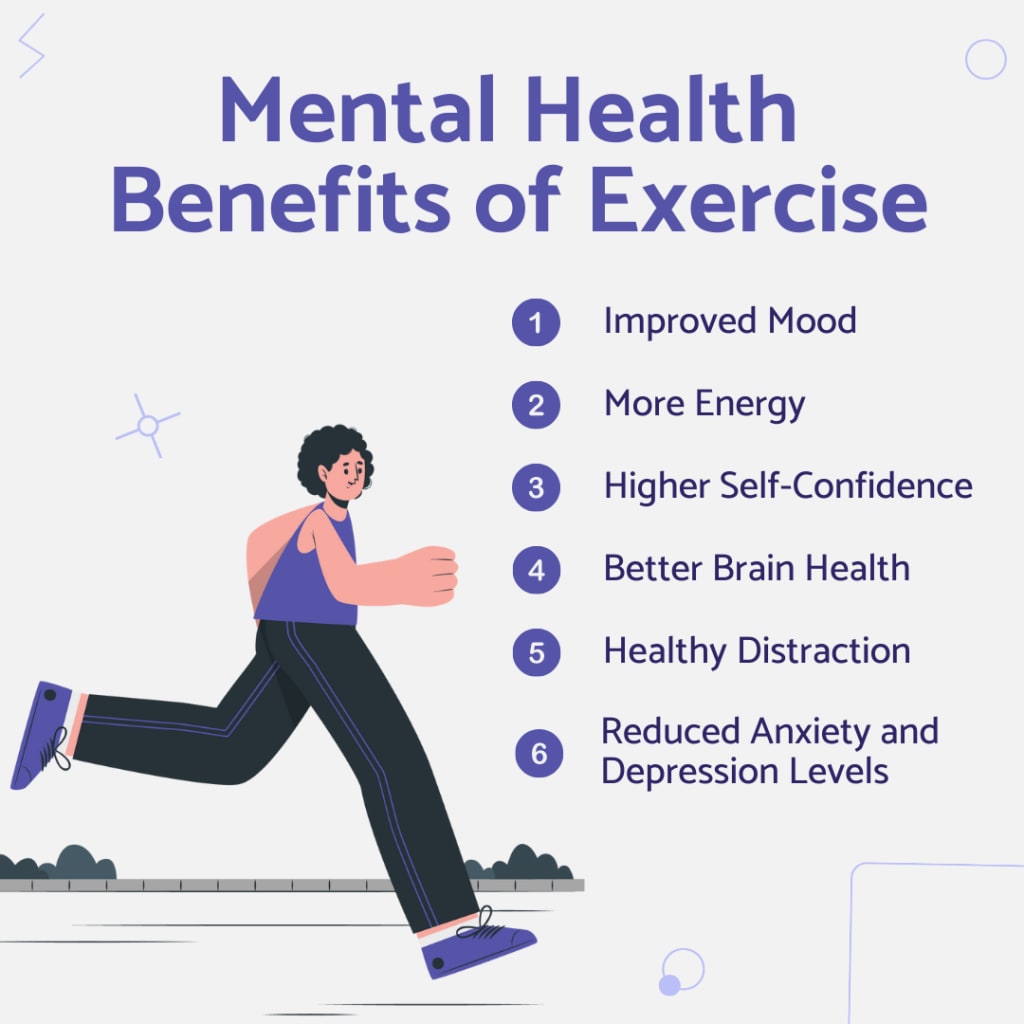
Throughout many decades, exercise has been associated with physical results like weight management, improved cardiovascular well-being, and boosted muscular strength. In recent years, however, researchers and practitioners have increasingly directed interest toward another intense facet of exercise—its influence on mental well-being.
Exercise is not just physical fitness; it is an emotional health therapeutic agent. From reducing symptoms of depression and anxiety to improving sleep, memory, and self-esteem, physical activity affects the brain and mood in a profound manner. A knowledge of this connection can empower individuals to make movement a lifestyle, but also as a comprehensive modality of mental health treatment.
How Exercise Affects the Brain
1. Release of Neurotransmitters
Physical exercise causes the release of endorphins, otherwise known as "feel-good" chemicals, which lower the feeling of pain and elevate mood.
It also increases serotonin and dopamine that are accountable for mood regulation, motivation, and pleasure.
2. Reduction of Stress Hormones
Exercise lowers cortisol and adrenaline levels, which are associated with chronic stress and anxiety.
3. Increased Neuroplasticity
Exercise promotes the release of Brain-Derived Neurotrophic Factor (BDNF), which is a protein that stimulates neuron growth and repair.
This enhances cognitive flexibility, memory, and stress tolerance.
4. Increased Blood Flow to the Brain
Improved circulation gives more oxygen and nutrients, which results in optimal brain function.
Mental Health Benefits of Exercise
1. Reduced Depression Symptoms
Studies have shown that regular exercise can be as effective as medication for mild and moderate depression.
Aerobic exercise such as running, swimming, or cycling also improves mood by controlling neurotransmitters.
2. Lower Anxiety Levels
Exercise distracts from troubling thoughts, releases muscle tension, and results in relaxation.
Repetitive, rhythmical exercises such as walking or yoga are particularly relaxing.
3. Reducing Stress
Exercise is a natural stress reducer that lowers cortisol and provides a healthy outlet for pent-up emotions.
Group exercises also maximize social support, which is stress-protective.
4. Improved Sleep
Physical activity also controls circadian rhythms, leading to more restful and sounder sleep.
Better sleep, in turn, reduces irritability, anxiety, and mental exhaustion.
5. Enhanced Self-Esteem and Self-Confidence
Achievement in reaching fitness objectives, no matter how modest, builds confidence.
Physical changes tend to have a more confident and healthy self-image.
6. Mental Advantages
Exercise enhances concentration, concentration, and memory.
It decreases the chances of future cognitive impairment and dementia.
Types of Exercise and Their Effects on Mental Health
1. Aerobic Exercise (Cardio)
Swimming, dancing, running, and cycling reduce tension and improve mood.
A daily 30-minute brisk walk can make a big difference in reducing stress.
2. Strength Training
Resistance training and weight exercises are linked to less depression symptomatology.
They strengthen body image and resilience.
3. Mind-Body Practices
Yoga, Pilates, and tai chi combine movement with awareness, leading to relaxation and control over emotions.
4. Team Sports
Social interaction and loneliness decrease through sports activities such as football, basketball, or cricket.
5. Outdoor
Outdoor hiking, gardening, and running incorporate the benefit of sun exposure and natural exposure, which improves mood and vitamin D levels.
Case Example
Rohan, a 32-year-old software engineer, had been experiencing anxiety and lack of energy due to long working hours. His therapist suggested exercise as a regular part of his daily life. He started with 20-minute evening walks and eventually incorporated jogging and yoga. Within three months, Rohan felt improved sleep, reduced anxiety, and being back in control of his life. His own self-confidence and work productivity at the office also improved significantly.
Breaking Down Barriers to Exercise
It is hard for most individuals who have mental health problems to start or continue an exercise program. Some recommendations are:
Start small: 10 minutes per day will do.
Choose positive activities: Exercise needs to be fun, not punishment.
Socialize it: Exercising with friends or a group class makes it more rewarding.
Build habits: Develop a routine and build intensity over time.
Technology use: It will ensure accountability by employing fitness apps or a tracker.
Exercise in Mental Health Intervention
Exercise is not a substitute for therapy or medication but needs to be employed more as an adjunct. Most mental health professionals are now implementing movement-based interventions in treatment. An adjunct of psychotherapy along with routine exercise is widely employed as an adjunct to treatment for patients suffering from depression, anxiety, or stress disorders.
Benefits of Exercise after Time
Emotional resilience is enhanced
Enhanced endurance to stress
Enhanced social connections through group exercise
Protection against age-related cognitive loss
Long-term benefits of mood and energy
Last Thoughts
The interaction of exercise with mental health is obvious. Exercise is medicine—not just for the body, but the mind. Starting an exercise program can be overwhelming to undertake, but small beginning steps translate into dramatic improvement in emotional life. The idea is to do things that are easy and sustainable.
For everybody with mental illness, incorporating exercise into daily life, in addition to expert care, can yield long-term benefits.
For expert care and advice, visit:
About the Creator
Keep reading
More stories from Naveen Garg and writers in Education and other communities.
How Does Social Media Impact Mental Health, and How Do We Use It Responsibly?
Introduction In the last twenty years, social media has transformed the way human beings communicate, share, and connect. Social media sites such as Facebook, Instagram, Twitter (X), TikTok, and LinkedIn are now part and parcel of life. They make it possible for immediate communication, global networking, and access to unlimited information. Yet, like any powerful tool, the impact of social media on mental health is two-edged.
By Naveen Garg5 months ago in Education
Decoding the Rise and Fall of Global Commodity Markets
Commodity markets have always moved in waves, rising and falling in response to forces that stretch far beyond daily trading activity. These movements can appear chaotic on the surface, yet beneath the volatility lies a structure shaped by economics, human behavior, and long-term investment patterns. From energy and metals to agricultural products, commodities follow cycles that repeat over time, although never in the same way. Understanding these cycles offers clarity in markets often seen as unpredictable.
By Anthony Blumberg7 days ago in Education
What Real Residents Reveal About Co-Living in New York City
Finding housing in New York City can be overwhelming, especially for students, interns, and professionals moving from different parts of the world. While listings and pricing matter, real-life experiences often give the clearest picture of what living in a shared space is actually like. Looking at resident reviews can help uncover what truly makes a co-living experience successful—or challenging.
By Ausfab Groupabout 5 hours ago in Education



Comments
There are no comments for this story
Be the first to respond and start the conversation.