
How Does Anxiety Affect Daily Functioning?
Anxiety Affect
Introduction
Anxiety is a natural human response to danger, uncertainty, or stress. In small doses, it can even be helpful—alerting and motivating us. However, when anxiety becomes chronic, excessive, and overwhelming, it no longer serves a protective role. Rather, it begins to affect daily functioning, disrupting routines, productivity, relationships, and overall quality of life.
Millions of people worldwide are afflicted with anxiety disorders, one of the most common mental illnesses. It is important to know how anxiety affects daily life for its early detection, intervention, and management.
What is Anxiety?
Anxiety includes excessive worry, fear, and physical symptoms such as rapid heartbeat, sweating, trembling, and gastrointestinal distress. While it is normal to feel anxious now and then before an exam, interview, or major life event, clinical anxiety is persistent and out of proportion to the reality of the situation.
Some of the more common anxiety disorders include:
Generalized Anxiety Disorder (GAD) – chronic, excessive worry about everyday life.
Social Anxiety Disorder – intense fear of being judged or embarrassed in social situations.
Panic Disorder – sudden attacks of intense fear, typically with physical symptoms like chest pain and dizziness.
Phobias – irrational fears of specific objects or situations.
Effect of Anxiety on Daily Life
1. Academic and Work Performance
Anxiety can make concentration difficult, leading to poor productivity.
Perfectionism, procrastination, and fear of failure are common in people with anxiety.
Social anxiety can make presentations, group projects, or even class attendance stressful.
Students may miss classes, exams, or group discussions due to fear of judgment.
2. Social Life and Relationships
Anxiety typically leads to withdrawal from social activities, family, and friends.
Irritability or worry persistently can strain interpersonal relationships.
Social anxiety prevents individuals from forming new connections or deriving pleasure from social activities.
Communication becomes difficult due to the fear of rejection or embarrassment.
3. Daily Routines and Physical Health
Anxiety is linked to sleep issues, including insomnia or sleepless nights.
Chronic muscle tension results in headaches, neck pain, or backaches.
Gastrointestinal complaints like nausea, diarrhea, or irritable bowel syndrome (IBS) are common.
Fatigue and exhaustion make everyday tasks seem overwhelming.
4. Decision-Making and Problem-Solving
Anxiety results in overanalysis and indecisiveness.
Avoidance behaviors are usually triggered by fear of making the wrong choice.
Everyday choices (choosing a meal, responding to an email) can become daunting.
5. Emotional Well-Being
Anxiety causes a state of constant "what if?" thinking.
Individuals may feel restless, on edge, or irritable for most of the day.
Panic attacks may disrupt daily activities and create additional fear of recurrence.
6. Financial Impact
Anxiety may reduce job performance, leading to fewer job offers.
Excessive worry about money, bills, or expenses may worsen symptoms.
Medical costs rise when physical symptoms of anxiety are repeatedly misdiagnosed as other medical illnesses.
Real-Life Example
Rahul, a 29-year-old computer software engineer, obsessively worried about missing deadlines and disappointing his manager. Despite being highly competent, he procrastinated on projects, fearing his work would never be "good enough." His sleep worsened, he developed gastric problems, and he started avoiding team meetings. His productivity later suffered, and his manager noticed. With therapy and relaxation skill training, Rahul gradually restored his confidence, his health returned, and he learned ways to manage on-the-job anxiety.
This example demonstrates how anxiety can insidiously invade aspects of life if left untreated.
Effects of Untreated Long-Term Anxiety
If chronic anxiety is left untreated, it has serious effects:
Chronic Stress: Overproduction of stress hormones like cortisol makes one vulnerable to heart disease and hypertension.
Substance Use: Some turn to alcohol, nicotine, or drugs to "nervous calm."
Burnout: Anxiety saps mental and physical energy, leading to job burnout.
Depression: Anxiety and depression go hand in hand, complicating day-to-day functioning.
Coping with Anxiety on a Day-to-Day Basis
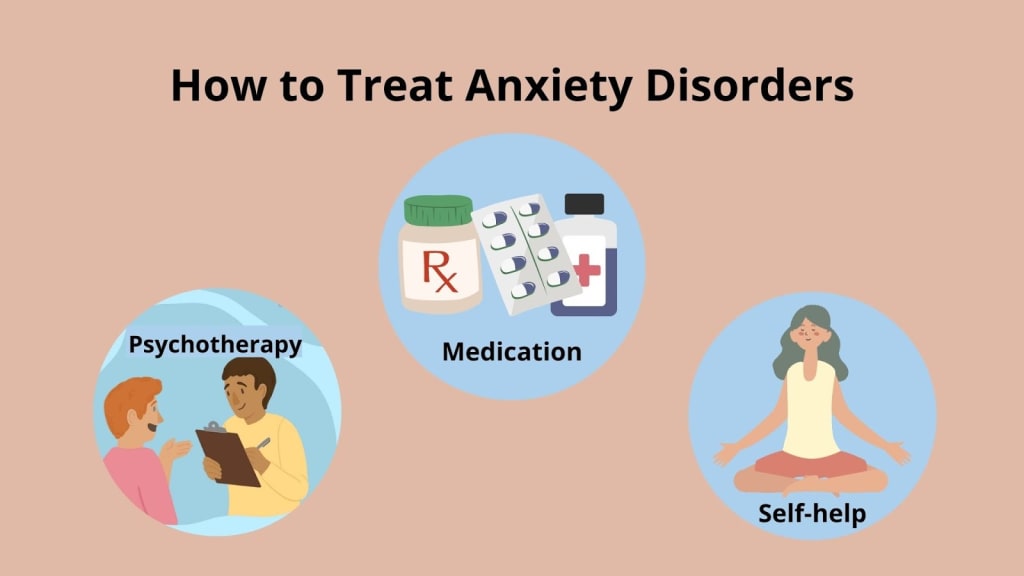
1. Professional Intervention
Therapy: Cognitive Behavior Therapy (CBT) successfully reduces symptoms of anxiety.
Medication: Anti-depressants or anti-anxiety medication is administered when symptoms are severe.
Mindfulness-Based Therapies: Meditation and acceptance therapy build resilience.
2. Lifestyle Modification
Exercise: Daily exercise reduces muscle tension and improves mood.
Sleep Hygiene: Establishing a routine reduces fatigue and worry.
Balanced Diet: Avoiding excessive caffeine and sugar prevents worsening anxiety symptoms.
3. Stress-Management Techniques
Breathing exercises, yoga, and progressive muscle relaxation reduce physical tension.
Journaling releases daunting thoughts.
Time management skills reduce workplace and school stress.
4. Social Support
Talking freely about concerns to friends, family, or support groups reduces feelings of isolation.
Seeking help early prevents anxiety from escalating into more serious health issues.
Preventing Anxiety from Taking Over Life
Identify early symptoms such as agitation, racing thoughts, or inability to concentrate.
Divide big tasks into small, manageable chunks.
Cultivate self-compassion, not self-criticism.
Achieve a balance among work, relationships, and self-care.
Final Thoughts
Anxiety isn't "just worry" – it's a powerful state that can influence nearly every aspect of daily functioning, from work and relationships to health and decision-making. Yet it's also very treatable. With therapy, lifestyle modification, and support networks, individuals can master their symptoms and live fulfilling, productive lives.
The secret lies in early identification and prompt assistance. If anxiety is taking a toll on your day-to-day existence, do not overlook it—seeking assistance can make a world of difference.
For professional assistance and counseling, log on to:
About the Creator
Keep reading
More stories from Naveen Garg and writers in Education and other communities.
How Does Depression Influence the Body?
Introduction Depression is usually called an "invisible illness" because its primary symptoms—sadness, hopelessness, and loss of interest in activities—might not at all be visible to the outside world. Depression is not just a mental disease, though; it has a strong influence on the body as well. There is ample evidence that depression can weaken the immune system, disrupt sleep, cause chronic pain, and even result in fatal diseases like heart disease and diabetes.
By Naveen Garg5 months ago in Education
Why Great Customer Service Is Non-Negotiable for Modern Businesses
Excellent customer service is no longer something businesses can choose to offer later. It is a basic requirement in today’s fast-moving market. Customers expect respect, clear communication, and fast solutions. When they do not get these things, they leave. This is why excellent customer service is non-negotiable for businesses that want to survive and grow.
By Apex Service Partners7 days ago in Education



Comments
There are no comments for this story
Be the first to respond and start the conversation.