
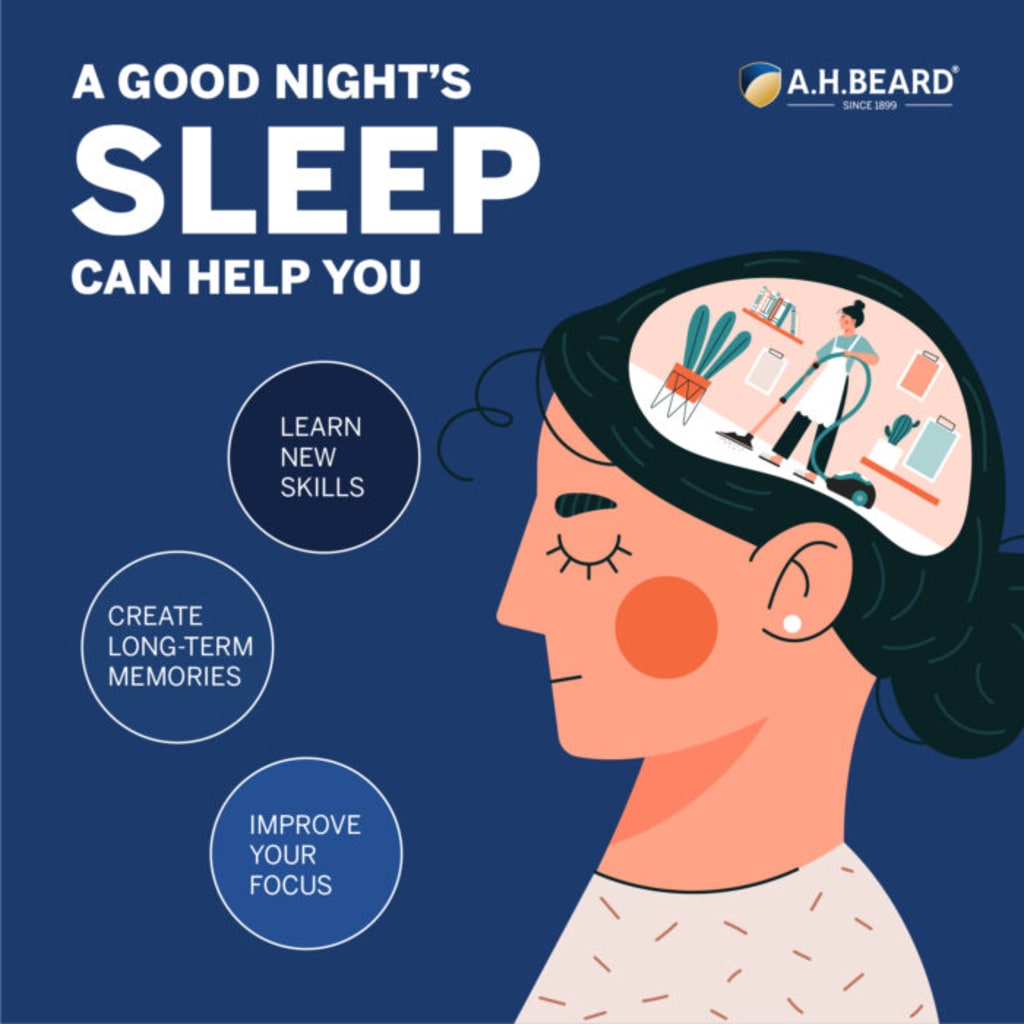
Sleep is described as the "reset button" for the body and brain. While the general public understands that sleep contributes to physical energy and performance, its profound impact on mental health is sometimes overlooked. Sleep isn't merely a resting phase—it is an active process in which the brain regulates mood, deals with emotions, consolidates memory, and re-establishes homeostasis to the nervous system.
When sleep is disrupted, mental well-being is impacted. Poor sleep increases one's vulnerability to stress, anxiety, depression, and even severe psychiatric illness. Conversely, good sleep is one of the strongest protective mechanisms for emotional resilience and mental well-being. Understanding the intricate interplay between sleep and mental health can empower an individual to take the control to prioritize sleep on their path to health.
The Science of Sleep
1. Sleep Stages
Sleep is cyclical, lasting about 90 minutes per cycle and consisting of four stages:
Stage 1: Unwinding of the body, relaxation, and a slowing of the heartbeat.
Stage 2: Relaxation continues, with memory processing beginning.
Stage 3 (Deep Sleep): The body is restored, tissue repair, and release of growth hormone.
REM Sleep: Brain activity accelerates, dreaming occurs, and emotional stabilization.
Each stage is critical to mental balance. Poor deep sleep disrupts concentration, and insufficient REM sleep disrupts emotional balance.
2. Circadian Rhythms
We have an innate 24-hour cycle governed by light and dark. Disrupting circadian rhythms—through imbalanced schedules, shift work, or excessive screen time—can disrupt sleep and mental well-being.
Effects of Poor Sleep on Mental Health
1. Increased Anxiety
Sleep deprivation increases the brain's amygdala response, leaving individuals more vulnerable to stress.
A single night's bad sleep can increase anxiety by up to 30%, scientists discover.
2. Depression
The largest indicator of depression is insomnia.
Chronic sleep problems twist serotonin and dopamine levels, creating persistent low mood.
3. Stress and Irritability
Sleep deprivation raises cortisol (the stress hormone), making it harder to cope with emotions.
They become over-sensitive to trivial irritations.
4. Cognitive Dysfunction
Lack of sleep reduces concentration, memory, and decision-making capacity.
This can, in the long run, contribute to burnout and mental fatigue.
5. Risk of Psychiatric Illness
Chronic insomniacs are also at a higher risk of developing conditions such as bipolar disorder, PTSD, and psychosis.
Sleep problems typically precede relapses in patients with underlying psychiatric illness.
Positive Effects of Good Sleep for Mental Well-being
1. Emotional Regulation
Good sleep helps the brain process emotions and stressful experiences, thereby making one more resilient.
2. Improved Mood
Sleep enhances levels of serotonin and dopamine, levelizing the mood and staying happy.
3. Improved Cognition
Sleep improves learning and consolidation of memory.
It also improves concentration and problem-solving ability.
4. Reduced Risk of Mental Illness
Established sleeping patterns lower the risk of depression, anxiety, and other mental disorders.
5. Increased Stress Resilience
Well-rested individuals cope with daily challenges more effectively.
Case Example
Meera, a 28-year-old medical intern, experienced severe anxiety and mood swings due to irregular night shifts and inadequate sleep. Despite routine meditation, her stress levels rose. When her doctor advised her to stabilize her sleep pattern, she began prioritizing 7–8 hours of sleep, using blackout curtains, and staying away from late-night screen time. Within a month, Meera's anxiety reduced significantly, her focus improved, and she remained calmer even during hectic shifts.
Strategies for Better Sleep
1. Maintain a Bedtime Schedule
Sleep and wake at the same time daily—no exceptions on weekends.
2. Create a Sleep-Friendly Environment
Bedroom must be cool, dark, and quiet.
Invest in comfortable bedding.
3. Limit Stimulants
Avoid caffeine, nicotine, or heavy meals near bedtime.
Reduce alcohol intake, which disrupts REM sleep.
4. Control Screen Time
Reduce exposure to blue light emitted by phones and laptops at least an hour before bedtime.
Consider employing "night mode" or blue-light filters.
5. Relaxation Techniques
Try mindfulness, meditation, or deep breathing exercises before sleep.
Calm yoga stretches or writing in a journal also soothes the mind.
6. Limit Naps
Brief power naps (20–30 minutes) are beneficial, but excessive or late naps disrupt nocturnal sleep.
7. Seek Professional Help When Needed
If insomnia lasts longer than a month, visit a doctor or mental health professional.
Cognitive Behavioral Therapy for Insomnia (CBT-I) is an evidence-based treatment.
Sleep Disorders and Mental Health
1. Insomnia
Characterized by difficulty with initiating or maintaining sleep.
Most strongly linked with depression and anxiety.
2. Sleep Apnea
Disrupted breathing during sleep leading to daytime fatigue and poor mood.
Treatment with CPAP or life style adjustment can both improve sleep and mental health.
3. Restless Legs Syndrome (RLS)
Creates nighttime discomfort in the legs that disturbs sleep.
Also linked with anxiety.
4. Narcolepsy
Sudden sleep spells can interrupt daily life and emotional health.
Sleep Throughout the Stages of Life
Children and Adolescents
Essential to brain development, emotional adaptation, and school success.
Sleep loss increases risk of anxiety and poor grades.
Adults
Essential to managing stress, work performance, and ability to bounce back from stress.
Work stress and technology frequently interfere with sleep.
Older Adults
Sleep patterns change with age, but quality sleep remains key.
Poor sleep is linked to cognitive decline and higher risk of dementia.
Final Thoughts
Mental health and sleep go hand in hand. A well-rested brain can handle stress more effectively, regulate emotions, and maintain a positive outlook towards life. As much as people downplay the power of good sleep, prioritizing rest is one of the best methods towards mental health.
For those with sleep problems, expert guidance can leave a radically different impression.
For expert guidance and empathetic treatment, visit:
About the Creator
Keep reading
More stories from Naveen Garg and writers in Education and other communities.
What Is the Connection Between Exercise and Mental Health?
Throughout many decades, exercise has been associated with physical results like weight management, improved cardiovascular well-being, and boosted muscular strength. In recent years, however, researchers and practitioners have increasingly directed interest toward another intense facet of exercise—its influence on mental well-being.
By Naveen Garg5 months ago in Education
How Intentional Listening Transforms Leadership and Team Excellence
Leadership has long been associated with decisiveness, direction, and the ability to articulate vision. While these qualities remain essential, the most effective leaders today are distinguished by a different capability: their ability to listen with intention. As workplaces become more collaborative and knowledge-driven, leadership success increasingly depends on understanding people rather than simply directing them. Intentional listening allows leaders to grasp not only what is being said, but also what remains unspoken. This deeper understanding strengthens relationships, improves decision-making, and fosters trust. In high-performing teams, listening is not passive but strategic, shaping how leaders connect with individuals and guide collective effort.
By Thomas Kuriakose, MD6 days ago in Education



Comments
There are no comments for this story
Be the first to respond and start the conversation.