
How Does Anxiety Impact Everyday Life?
Anxiety Impact
Anxiety is a natural and frequently adaptive human feeling that helps us prepare to meet challenges. But when anxiety grows excessive, chronic, and out of proportion to real situations, it can disrupt everyday functioning in many ways. Anxiety disorders are among the most prevalent mental health issues in the world, affecting millions of individuals across age, gender, and background. Realizing the effects of anxiety on daily life is imperative not only for individuals who live it but also for employers, families, and communities who want to provide assistance.
The Cognitive Effects of Anxiety
The first place anxiety shows its presence is in cognitive functioning. Individuals with anxiety tend to have intrusive thoughts all the time, overactive minds, and trouble concentrating. For example:
Concentration Problems: An individual can sit down to do a work task or prepare for an exam but find their mind running in many different directions. Rather than being able to concentrate on the task, their mind will circulate concerns such as "What if I fail?" or "What if others judge me?"
Decision-Making Challenges: Anxiety triggers a fear of error, which can manifest as indecision or second-guessing. Even simple choices such as selecting what to have for dinner become daunting.
Memory Disruption: Since anxiety floods the mind with stress indicators, it decreases short-term memory function. This implies individuals forget appointments, lose things, or have difficulties remembering conversations.
These mental struggles impinge on productivity, school performance, and general confidence. They can form a self-reinforcing cycle over time: poor performance breeds more anxiety, which further degrades concentration and performance.
Emotional Impacts
Living with anxiety is psychologically draining. Some common emotional impacts are:
Persistent Dread and Worry: Most people report anxiety as an "ever-present sense of fear." Even in the absence of a definable stimulus, they might feel that "something bad is going to happen."
Irritability: Since anxiety puts the mind and body in a state of hyper-arousal all the time, minor hassles can become intolerable and result in frustration or anger.
Low Self-Esteem: Anxiety tends to lead people to question their competence or worth. For instance, one might not want to apply for a promotion due to fear that he or she is incompetent.
Hopelessness: If anxiety lasts for decades, individuals believe their life will forever be blighted by worry, and this can predispose them to depression.
These emotional outcomes not only lower quality of life but also cause tension in relationships with family, friends, and coworkers.
Physical Symptoms and Health Concerns
Anxiety is "not just in the head." It significantly affects the body, usually through the fight-or-flight response. Recurring anxiety keeps the body in overdrive, causing physical symptoms including:
Muscle Tension and Headaches: Ongoing stress leads to tightened muscles, resulting in long-term pain.
Gastrointestinal Symptoms: Anxiety has a strong correlation with irritable bowel syndrome (IBS), nausea, diarrhea, and abdominal cramps.
Fatigue: The persistent state of being "on the go" is exhausting, making people tired even with proper rest.
Insomnia: Thoughts race too fast to sleep or stay asleep.
Cardiovascular Issues: Anxiety over a long period can raise blood pressure and risk for heart disease.
The physical cost usually compels individuals to seek medical attention, although the source is psychological. Unfortunately, without treating anxiety itself, these physical consequences usually linger.
Social and Interpersonal Consequences
Anxiety affects relationships in numerous ways. For instance:
Social Avoidance: A person with social anxiety might stay away from parties, office gatherings, or even small social gatherings for fear of embarrassment.
Overdependence: Anxiety can lead people to over-rely on loved ones for reassurance, which may take a toll on the relationship.
Conflict: Irritability and defensiveness can result in constant arguments with partners, family, or colleagues.
Isolation: With time, individuals might completely shy away from social life, deepening loneliness and depression.
Relationships are sustained by harmony, trust, and candor. Anxiety sabotages these factors, making it more difficult to enjoy rewarding interpersonal relationships.
Impact on Work and Education
Both in the workplace and school settings, anxiety can incapacitate.
Workplace Anxiety: Fear of failure, perfectionism, and inability to focus create less productivity. Panic attacks also occur at the workplace for some, causing embarrassment and avoidance.
Academic Anxiety: Anxious students may dread tests, presentations, or classes themselves. This not only jeopardizes grades but also restricts potential for learning and self-improvement.
Career Advancement: Anxiety may deter individuals from seeking promotions, networking events, or new prospects, leading to long-term career stagnation.
Employers and educators who are aware of these issues can make their environments more inclusive by providing flexibility, support services, and awareness programs.
Coping Mechanisms to Deal with Everyday Life
While anxiety is hard, there are efficient coping mechanisms and ways to minimize its effect:
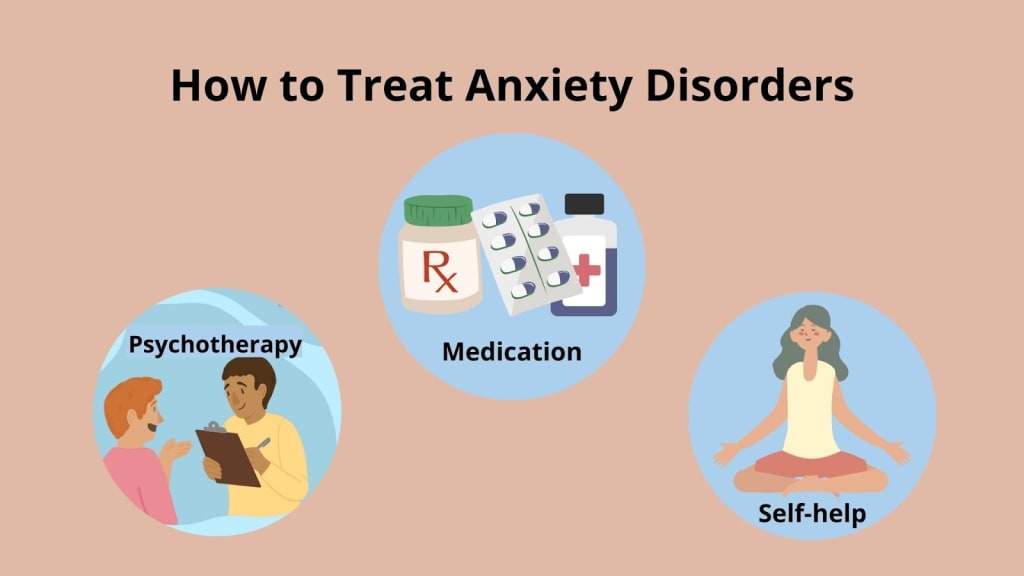
Therapy
Cognitive Behavioral Therapy (CBT) assists people in challenging and revising pessimistic thinking.
Exposure Therapy slowly acclimatizes individuals to worrisome stimuli.
Acceptance and Commitment Therapy (ACT) educates people in acceptance techniques and mindfulness.
Medication
For moderate to severe anxiety, psychiatrists can prescribe anti-anxiety medications or antidepressants. Medication is not a cure, but it can decrease symptoms to a point where therapy and coping strategies are more effective.
Lifestyle Changes
Exercise on a regular basis lowers cortisol and improves mood.
Good nutrition stabilizes energy and minimizes mood swings.
Sleep hygiene (regular schedules, less screen time) enhances restfulness.
Mindfulness and Relaxation \
Practices such as meditation, yoga, and breathing exercises soothe the nervous system and equip an individual with skills for managing stress in the moment.
Social Support
Open discussion with family members or attendance at support groups reduces feelings of isolation and shame that accompany anxiety.
Seeking Professional Help
If anxiety substantially disrupts life, professional help is strongly advised. A trained psychiatrist, psychologist, or counselor can offer personalized treatment, from therapy to medicine. Early intervention has better outcomes, minimizing the possibility of long-term disability.
To learn more and receive expert treatment, you may go to:
https://www.delhimindclinic.com/
And for Craft CMS assistance:
Final Thoughts
Anxiety is more than a passing feeling—it is a strong disorder that reaches into almost every corner of everyday life. From emotional distress and body symptoms to job impairment and social withdrawal, the impact can be daunting. But with proper understanding, treatment, and care, individuals can take back control and lead meaningful lives. Remember, anxiety does not define an individual; with empathy and the right resources, healing and recovery are always within reach.
About the Creator
Keep reading
More stories from Naveen Garg and writers in Education and other communities.
How Does Stress Contribute to Depression?
Stress is a shared human experience. It is the body's natural defense against stress, activating the "fight or flight" response that allows us to cope with the danger before us. While sporadic stress is stimulating and defensive, relentless or unbearable stress destroys physical and mental health. Its very powerful link to depression is one of the most frightening consequences. Understanding how stress causes depression is crucial for prevention, early recognition, and effective treatment.
By Naveen Garg5 months ago in Education
My New Book is Finally Here
My poetry collection Beautiful and Brutal Things is done. It's actually done and finally published over 270 pages. Over a year of my life went into this book. More than a year, really. Long days at my computer, sometimes seven days a week because I couldn't stop even when I probably should have. Then two months of editing that felt harder than the writing itself. But it's finished, and I'm still standing, and the book is real.
By Tim Carmichael2 days ago in BookClub




Comments
There are no comments for this story
Be the first to respond and start the conversation.