
What Are the Long-Term Effects of Untreated Anxiety?
Untreated Anxiety
Introduction
Anxiety is one of the most common mental health disorders worldwide, affecting millions of individuals from all walks of life. While normal anxiety is a natural human response to stress, continuous anxiety that goes unchecked can greatly impact daily life, interpersonal relationships, and overall well-being. The majority of individuals do not recognize anxiety as "excessive worrying" or believe that it will pass on its own, but unchecked anxiety—when left untreated—has long-term dire consequences.
This is a conversation that explores the social, cognitive, emotional, and physical consequences of untreated anxiety, emphasizing the call for early treatment.
Understanding Anxiety
Anxiety is defined by excessive fear, worry, and nervousness, and is also frequently accompanied by associated physical symptoms such as sweating, rapid heartbeat, trembling, or upset stomach. It can manifest in:
Generalized Anxiety Disorder (GAD): Excessive and prolonged worrying about different things in life.
Social Anxiety Disorder: Fear of judgment or embarrassment in social situations.
Panic Disorder: Sudden, severe panic attacks.
Phobias: Generalized fear of specific objects or situations.
Health Anxiety or OCD: Chronic worries and compulsions.
These disorders become life-controlling and pervade every area of life if left untreated.
Long-Term Emotional Consequences
1. Increased Risk of Depression
Depression and anxiety are usually a duo. Chronic worry and helplessness can eventually lead to hopelessness, ending in major depressive disorder.
2. Emotional Exhaustion
Chronic anxiety drains emotional energy, making individuals feel drained, irritable, and no longer able to enjoy life.
3. Reduced Resilience
With time, anxiety lessens the ability of an individual to bounce back from adversity. Even minor setbacks seem impossible to overcome.
Physical Health Impacts
1. Chronic Stress Response
Anxiety, if left untreated, leaves the body constantly in a state of "fight-or-flight," with stress hormones like cortisol and adrenaline being continuously activated. This can be damaging to physical health in the long run.
2. Heart Issues
Chronic anxiety is linked with hypertension, arrhythmia, and risk of heart disease.
3. Compromised Immune System
Too much stress reduces the body's infection-fighting ability, making individuals more vulnerable to illness.
4. Gastrointestinal Issues
Irritable bowel syndrome (IBS), ulcers, and indigestion are common in those with untreated anxiety.
5. Chronic Pain
Anxiety heightens muscle tension, which often appears as headaches, back pain, or fibromyalgia-type symptoms.
Cognitive and Behavioral Impacts
1. Poor Concentration
Anxious individuals typically struggle with concentration, memory, and decision making, affecting school and work performance.
2. Avoidance Behaviors
Others may avoid activities that trigger anxiety—public speaking, for instance, or flying, or being around others. Over time, that avoidance limits experience and opportunity in life.
3. Substance Abuse
Others turn to alcohol, nicotine, or drugs as coping mechanisms. Even though those may temporarily ease anxiety, they heighten anxiety and create additional health risks.
4. Sleep Disorders
Insomnia, sleeplessness, or nightmares are common, further compounding fatigue and emotional distress.
Social and Relationship Consequences
1. Damaged Relationships
Anxiety can cause irritability, dependence, or withdrawal, which could damage family relationships, friendships, and romantic relationships.
2. Social Withdrawal
Fear of being judged or embarrassed may cause withdrawal from social interaction, leading to loneliness and worsening mental health further.
3. Career Problems
Untreated anxiety may hinder career advancement. Fear of making mistakes, procrastination, or stress inability may interfere with work performance and career advancement.
Case Example
Ravi, a 34-year-old computer programmer, began experiencing panic attacks during his early twenties. Instead of seeking treatment, he avoided crowds and stressful work environments. His anxiety worsened over time. He began missing deadlines, avoided social gatherings, and experienced constant stomachaches. Throughout the years, his anxiety led to career instability and troubled relationships. It was when he reached a breaking point that Ravi sought therapy, where he found his untreated anxiety had not only cost him professional growth but also affected his overall well-being.
Why People Avoid Treatment
However, due to the dire consequences, many do not pursue treatment. The reasons are often straightforward:
Stigma: Fear of judgment or being labeled as "weak."
Lack of Awareness: Believed that anxiety is only a personality aspect.
Financial/Access Barriers: Limited availability of mental health treatment.
Fear of Medication or Therapy: Lack of knowledge concerning approaches to therapy.
The Importance of Early Intervention
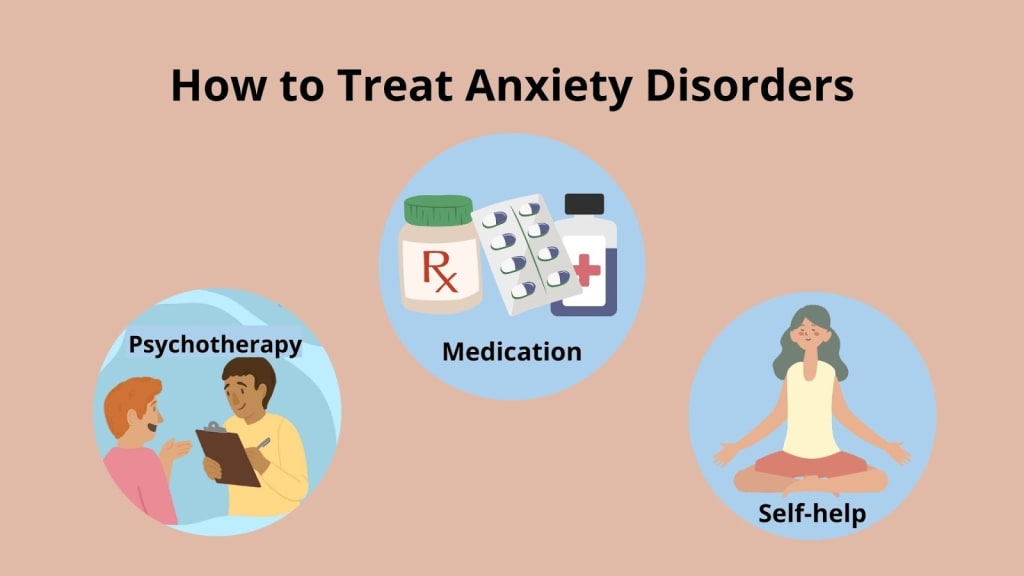
Early intervention of anxiety averts the long-term effects. The treatments for it are:
1. Psychotherapy
Cognitive Behavioral Therapy (CBT) helps in finding and changing fearful thought patterns.
Exposure Therapy helps in slowly facing fears in a controlled environment.
2. Medication
Antidepressants, anti-anxiety medication, or beta-blockers may help control symptoms.
3. Lifestyle Changes
Regular exercise, mindful ways, healthy sleep habits, and balanced nutrition reduce symptoms of anxiety.
4. Support Systems
Social relationships and support groups are a significant component of the recovery process.
Preventive Measures
Recognize symptoms in an early stage.
Avoid unhealthy ways of coping with maladaptive skills like substance abuse.
Practice relaxation techniques like meditation, yoga, or deep breathing.
Sleep well and practice self-nurturing activities.
Consult therapy or counseling at the first sign of chronic anxiety.
Final Thoughts
Untreated anxiety is not a temporary nuisance—it takes long-lasting, profound effects on emotional, physical, cognitive, and social well-being. Long-term consequences include chronic illness, job loss, and relationship issues. All hope is not lost, though, as anxiety is highly treatable. With the right assistance, therapy, and lifestyle changes, individuals can regain control, become resilient, and lead healthy, contented lives.
Seeking help is not a sign of weakness—it is an act of strength and self-appreciation. If you, or someone close to you, are feeling anxious, seeking help from professionals can be the life-saving step taken.
For compassionate, evidence-based therapy, visit:
About the Creator
Keep reading
More stories from Naveen Garg and writers in Education and other communities.
How Can Therapy Help Improve Mental Health?
Therapy, or counseling and psychotherapy, is arguably the most powerful tool available for improving mental well-being. While medication can work to address chemical imbalances in the brain, therapy provides the tools, awareness, and skills that a person needs to cope with the root of emotional pain. Whether one suffers from anxiety, depression, trauma, or relationship problems, therapy offers a safe and structured environment in which to explore thoughts and feelings.
By Naveen Garg5 months ago in Education
Invisible Radiation in Everyday Life
We live in a world powered by invisible signals. From the moment you wake up and check your phone, to working on a laptop, connecting to WiFi, using Bluetooth earbuds, or scrolling before bed—your body is constantly surrounded by electromagnetic fields (EMFs). They’re an unavoidable part of modern life, yet most people rarely stop to think about how continuous exposure may affect their energy, sleep, focus, and overall well-being.
By Inamullah Momand 5 days ago in Education
Core Skills Every Finance Professional Needs Today
Financial analysis is one of the most critical abilities for anyone working in finance today. Companies rely on clear and accurate financial information to make smart business decisions. Finance professionals must understand how to read numbers, study trends, and guide action based on facts. These must-have financial analysis skills help workers become stronger, more confident, and more valuable in their roles. When used well, these skills support better planning, lower risk, and long-term success. Because of this, developing strong financial analysis skills is essential for finance professionals at every level.
By Andrew Lake4 days ago in Education


Comments
There are no comments for this story
Be the first to respond and start the conversation.