

Introduction
Depression is usually called an "invisible illness" because its primary symptoms—sadness, hopelessness, and loss of interest in activities—might not at all be visible to the outside world. Depression is not just a mental disease, though; it has a strong influence on the body as well. There is ample evidence that depression can weaken the immune system, disrupt sleep, cause chronic pain, and even result in fatal diseases like heart disease and diabetes.
In this answer, we’ll explore the many ways depression impacts physical health, why the mind-body connection is so important, and how early treatment can help prevent long-term complications.
Understanding Depression
Depression is more than feeling sad. It is a serious medical condition characterized by persistent low mood, loss of interest in activities, feelings of guilt or worthlessness, fatigue, poor concentration, and sometimes suicidal thoughts.
While the emotional symptoms are more well recognized, physical symptoms of depression are equally important to identify because they can interrupt daily functioning and quality of life.
The Mind-Body Relationship
Brain and body are intimately connected. Depression alters brain chemistry, including neurotransmitters like serotonin, dopamine, and norepinephrine. These alterations affect not just mood but also:
Hormone regulation (e.g., cortisol, stress hormones).
Pain.
Sleep.
Appetite and digestion.
Immune system.
This is why depression if left untreated is bound to result in physical symptoms and chronic health issues.
Physical Health Effects of Depression
1. Chronic Pain
The majority of patients with depression experience headaches, back pain, joint pain, or muscle stiffness.
Depression sends more pain signals in the brain, and therefore minimal aches are more painful.
Fibromyalgia commonly presents with depression.
2. Sleep Disorders
Insomnia, broken sleep, and early morning wakening are extremely common.
Others experience hypersomnia (excessive sleep).
Poor sleep adds to the worsening of fatigue, concentration problems, and overall physical health.
3. Cardiovascular Problems
Depression increases the risk for high blood pressure, arrhythmia, and heart attack.
Stress hormones like cortisol stress the cardiovascular system, putting people at risk for heart disease.
4. Weakened Immunity
Depression diminishes the body's infection-fighting ability.
People become more vulnerable to colds, flu, or slow healing of illness.
5. Digestive Issues
The gut-brain axis is robust. Loss of appetite, overeating, constipation, diarrhea, or irritable bowel syndrome (IBS) can be brought about by depression.
Constant nausea or stomach pain is experienced by some individuals.
6. Weight Changes and Metabolic Disorders
Sudden weight loss or weight gain is caused by depression.
Hormonal imbalance and unhealthy eating may raise the risk of obesity, diabetes, and metabolic syndrome.
7. Fatigue and Low Energy
One of the key physical characteristics is chronic fatigue.
Even with good sleep, people may feel fatigued and weak in body.
8. Sex Life Problems
Inhibited libido, erectile dysfunction, or menstrual irregularity are often seen alongside depression.
These symptoms can lead to more relationship and self-esteem issues.
Long-Term Medical Complications
Depression left untreated can have serious physical consequences:
Increased likelihood of stroke and heart attack due to stress on the cardiovascular system over a long period.
Complications of diabetes as depression makes diet control, exercise, and medication difficult.
Chronic pain syndromes inducing loss of mobility and independence.
Shortened life expectancy due to the fact that research has shown that depression without treatment is associated with decreased life expectancy.
Why People Don't See Physical Symptoms as Depression
One of the main problems is that the physical symptoms alone are noticed—such as backache, stomach issues, or headaches—without being aware that depression is the underlying reason. This means frequent visits to the doctor, medical tests, and, sometimes, unwanted treatment.
For example:
A person may complain of persistent lethargy and have blood tests for thyroid, vitamin deficiency, or anemia without considering depression.
Another person may be treated for frequent headaches but overlook the emotional reasons.
Detection of mind-body overlap is essential for proper diagnosis and treatment.
Case Example
Meera, who was 42 and a school teacher, started feeling chronically fatigued, had stomach pains, and headaches. She consulted with numerous doctors who prescribed painkillers and medication for her gastrointestinal system, but nothing seemed to work. She was finally referred to a mental health counselor by her doctor, where she was diagnosed with depression. With therapy, medication, and lifestyle modifications, not only did she begin to feel better about herself, but her symptoms also decreased markedly.
This demonstrates how addressing depression in a holistic way is good for physical and mental well-being.
How Treatment Impacts Physical Health
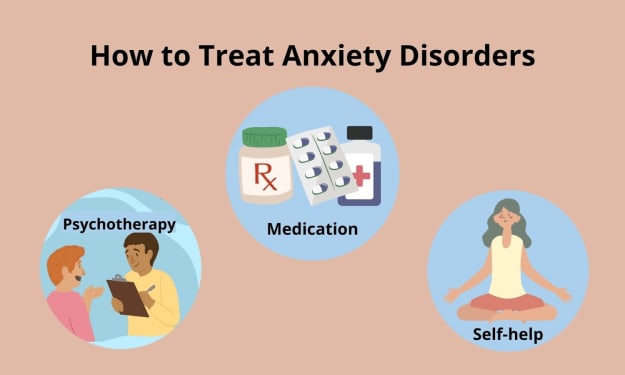
1. Psychotherapy (Counseling/Talk Therapy)
Cognitive Behavioral Therapy (CBT) helps reframe negative thoughts and reduce physical symptoms of stress.
Mindfulness-Based Therapy lowers cortisol levels and improves sleep.
2. Medication
Antidepressants stabilize brain chemicals, which may relieve fatigue, pain, and sleep.
Monitoring is needed, as some medications may affect appetite or weight.
3. Changes in lifestyle
Regular exercise boosts endorphins, naturally improving mood and reducing pain.
Healthy eating boosts brain and gut health.
Healthy sleep habits restores energy and attention.
4. Coping Skills for Stress
Yoga, meditation, and relaxation reduce body tension.
Writing and relaxation skills reduce stress hormones.
5. Support
Family and social support reduce depression and its physical manifestation.
Sharing experiences helps people encourage others to be early interveners.
Preventing the Physical Effect of Depression
Early Diagnosis: Learn the signs of depression beyond sadness.
Integrated Care: Primary doctors and mental health professionals must cooperate.
Self-Care Habits: Rest, exercise, and tension control must be stressed.
Breaking the Stigma: Candid discussion reduced delays in treatment.
Final Thoughts
Depression is not "in the mind"—it conquers the entire body. From ongoing pain and sleeplessness to weakened immunity and heart disease, the bodily consequences of untreated depression can incapacitate. Recognizing these symptoms as part of depression is the first step toward healing.
The good news is that with timely treatment—therapy, medication, lifestyle changes, and family and friend support—physical and mental health can be drastically improved. Depression can be cured, and recovery is achievable.
Don't overlook the physical symptoms if you or someone around you is in distress. Taking expert advice can not only restore emotional well-being but also ensure long-term physical well-being.
For compassionate and holistic care, visit:
About the Creator
Keep reading
More stories from Naveen Garg and writers in Education and other communities.
What Are the Long-Term Effects of Untreated Anxiety?
Introduction Anxiety is one of the most common mental health disorders worldwide, affecting millions of individuals from all walks of life. While normal anxiety is a natural human response to stress, continuous anxiety that goes unchecked can greatly impact daily life, interpersonal relationships, and overall well-being. The majority of individuals do not recognize anxiety as "excessive worrying" or believe that it will pass on its own, but unchecked anxiety—when left untreated—has long-term dire consequences.
By Naveen Garg5 months ago in Education
The Psychology of Conviction: How Successful People Execute Bold Ideas Fearlessly
Executing bold ideas requires more than just ambition and creativity; it demands a powerful mindset. Many people come up with great ideas, but only a few can confidently and consistently turn those ideas into reality. What separates those who execute fearlessly from those who hesitate or abandon their plans is a deep psychological understanding of conviction.
By Brian Ferdinand7 days ago in Education
Co-Parenting in the Digital Age
Co-Parenting in the Digital Age: Shared Circles, Alerts, and Neutral Tech Tools Modern co-parenting requires a modern toolkit. Beyond shared calendars, technology offers powerful ways to foster cooperation, ensure consistency, and prioritize your child's safety. The right digital approach can reduce conflict and create a more stable environment for everyone.
By Olivia Martinez6 days ago in Education
How to Succeed at the Benson Directory®
Congratulations and welcome to the Benson Directory® employee #22391! As our newest call handler, you will have the privilege of speaking with dozens of unique and interesting people on a daily basis as well as the opportunity to earn bonuses for high performance. Contained within this handbook you will find a set of ease to follow instructions designed to help you settle in to your new role and begin paving the way to success.
By S. A. Crawford3 days ago in Fiction



Comments
There are no comments for this story
Be the first to respond and start the conversation.