Fiazahmedbrohi
Stories (529)
Filter by community
Almost Collapsed’: Behind the Korean Film Crisis and Why K-Pop Isn’t Immune. AI-Generated.
For more than a decade, South Korea has been celebrated as a global cultural powerhouse. From Oscar-winning films like Parasite to record-breaking K-pop groups dominating international charts, “K-culture” appeared unstoppable. Yet behind the glossy image of red carpets and sold-out concerts, South Korea’s entertainment industry is facing a quiet but serious crisis. Industry insiders now warn that the Korean film sector has “almost collapsed” — and troublingly, K-pop may not be as immune as fans believe. The Hidden Struggles of Korean Cinema The Korean film industry, once hailed for its creativity and risk-taking, has been struggling since the pandemic. Cinema attendance dropped sharply during COVID-19, and recovery has been far slower than expected. While Hollywood blockbusters have gradually drawn audiences back to theaters, many domestic Korean films have failed to do so. Production costs have surged due to inflation, stricter labor rules, and higher insurance fees. Meanwhile, investors have become cautious, preferring safe franchises over original storytelling. As a result, many mid-budget films — traditionally the backbone of Korean cinema — are no longer financially viable. Several production companies have downsized, postponed projects, or shut down entirely. Filmmakers argue that the industry is stuck in a vicious cycle: fewer films mean fewer risks, which leads to less innovation, driving audiences further away. Streaming Platforms: Savior or Silent Threat? At first glance, global streaming platforms appear to be a lifeline. Netflix and other services have invested heavily in Korean content, producing internationally successful series and films. However, many industry professionals see this as a double-edged sword. Streaming platforms often prioritize global appeal over local storytelling, pushing creators toward formulas that travel well internationally. While this expands reach, it limits artistic freedom and squeezes local cinemas out of the ecosystem. Directors complain that theatrical releases are becoming an afterthought, weakening Korea’s once-thriving cinema culture. Moreover, streaming deals rarely provide long-term financial stability for crews and smaller production houses, contributing to an increasingly precarious workforce. Why K-Pop Is Not Untouchable K-pop still looks strong on the surface. Global tours sell out in minutes, albums break sales records, and fan bases grow across continents. Yet the industry faces structural problems eerily similar to those plaguing Korean cinema. The K-pop system relies on intense training, heavy investment, and constant output. Rising production costs, international touring expenses, and pressure to deliver viral hits have pushed entertainment companies into risky financial territory. Smaller agencies struggle to survive, while even major labels face shrinking profit margins. Additionally, oversaturation has become a concern. With dozens of new groups debuting every year, standing out is harder than ever. Fans are showing signs of fatigue, and international audiences are becoming more selective. The Human Cost Behind the Spotlight Both industries share another problem: burnout. Actors, idols, dancers, and behind-the-scenes workers face exhausting schedules and uncertain job security. Mental health concerns, already a sensitive issue in South Korea, are becoming harder to ignore. As competition intensifies, performers are under immense pressure to succeed quickly or risk being replaced. This environment raises questions about sustainability — not just financially, but emotionally and creatively. Cultural Prestige vs. Commercial Reality South Korea’s global cultural success has raised expectations at home and abroad. Government support and international recognition have fueled growth, but they have also created a myth of invincibility. The reality is that cultural industries require constant renewal, protection, and balance between art and commerce. Without meaningful reforms — such as fairer revenue distribution, stronger support for independent creators, and investment in theaters — the film industry may continue to weaken. And if K-pop follows the same path of overproduction and profit-first thinking, its global dominance could eventually fade. A Crossroads Moment for Korean Entertainment The current crisis represents a turning point. South Korea must decide whether it wants cultural output driven solely by algorithms and global trends, or whether it values long-term creative ecosystems. Audiences worldwide still admire Korean storytelling and music — but admiration alone cannot sustain an industry. If lessons from the film sector are ignored, K-pop could face similar instability in the years ahead. The warning signs are already there. Conclusion The Korean film industry’s near-collapse is not an isolated problem; it is a signal of deeper structural challenges within South Korea’s cultural economy. While K-pop continues to shine globally, it is not immune to the same pressures of cost, saturation, and creative burnout. For Korea’s cultural miracle to endure, the industry must slow down, reflect, and rebuild — before global success becomes a fragile illusion rather than a lasting achievement.
By Fiazahmedbrohi 19 days ago in Geeks
EU Backs Somalia After Israel Recognizes Somaliland: A New Diplomatic Flashpoint. AI-Generated.
The European Union has reaffirmed its support for Somalia’s territorial integrity following Israel’s controversial decision to recognize Somaliland, a self-declared republic in the Horn of Africa. The move has sparked fresh diplomatic tensions in an already fragile region, drawing in global powers and raising questions about sovereignty, international law, and geopolitical interests in East Africa. Understanding Somaliland’s Status Somaliland declared independence from Somalia in 1991 after the collapse of the central Somali government. Since then, it has operated with its own government, security forces, and elections, maintaining relative stability compared to the rest of Somalia. Despite these internal achievements, Somaliland has never been formally recognized by the United Nations or most of the international community. For decades, the global consensus has remained firm: Somaliland is legally part of Somalia. This position is grounded in the principle of preserving existing borders in post-colonial Africa, a doctrine aimed at preventing endless territorial disputes across the continent. Israel’s Recognition and Its Implications Israel’s recognition of Somaliland represents a significant departure from this long-standing international stance. While Israel has not publicly detailed all motivations behind the move, analysts suggest strategic interests may be at play. Somaliland’s location along the Gulf of Aden — a critical global shipping route — gives it geopolitical significance, particularly amid growing competition in the Red Sea region. The decision immediately triggered backlash from Somalia’s federal government, which called it a violation of its sovereignty and international norms. Mogadishu warned that such actions risk destabilizing the region and emboldening separatist movements elsewhere in Africa. The European Union’s Firm Response In response, the European Union swiftly expressed its support for Somalia’s unity and territorial integrity. EU officials reiterated that they do not recognize Somaliland as an independent state and continue to view Somalia as a single, sovereign country. The EU’s position reflects its broader commitment to international law and multilateral consensus. Brussels has long been involved in Somalia through humanitarian aid, development programs, and security assistance, including anti-piracy operations and support for stabilizing institutions. By backing Somalia, the EU is signaling that unilateral recognitions outside international frameworks could undermine regional stability and complicate peace-building efforts. Why the Horn of Africa Matters The Horn of Africa is one of the world’s most strategically important yet volatile regions. It sits at the crossroads of Africa, the Middle East, and global maritime trade routes. Conflicts in Somalia, Sudan, Ethiopia, and Yemen have already strained regional security. Any shift in the political status quo — especially one involving international recognition — risks triggering ripple effects. Critics argue that recognizing Somaliland without broad international agreement could encourage other separatist regions to seek similar recognition, potentially fueling fragmentation across Africa. Somalia’s Diplomatic Push Somalia has intensified diplomatic efforts following Israel’s announcement. Officials have engaged regional allies, the African Union, and global partners to reinforce their position. The Somali government maintains that dialogue, not unilateral recognition, is the only acceptable path to resolving internal political disputes. Mogadishu has also emphasized that while Somaliland’s grievances deserve attention, solutions must come through constitutional processes and negotiations within Somalia’s federal framework. Somaliland’s Perspective From Somaliland’s viewpoint, recognition is long overdue. Leaders in Hargeisa argue that they have demonstrated effective governance, democratic practices, and security capabilities for more than three decades. They see international recognition as a reward for stability in a region often associated with conflict. Supporters of Somaliland’s independence argue that continued non-recognition punishes success and reinforces instability elsewhere by ignoring functional governance models. A Test for International Unity The EU’s response highlights the tension between geopolitical interests and international norms. While individual countries may pursue strategic alliances, broader institutions like the EU prioritize consistency, legal frameworks, and regional stability. This episode also exposes fractures in global diplomacy, where unilateral decisions can clash with collective positions. How other nations respond — whether by following Israel’s lead or aligning with the EU and African Union — will shape the future of Somaliland’s quest for recognition. Conclusion The EU’s backing of Somalia following Israel’s recognition of Somaliland underscores a deep divide in international approaches to sovereignty and self-determination. At stake is not just the future of Somaliland, but the stability of a region already under immense pressure. As diplomatic tensions unfold, the situation serves as a reminder that recognition is not merely symbolic — it carries profound political, legal, and security consequences. For now, the EU has made its position clear: Somalia’s unity remains non-negotiable, and any lasting solution must be achieved through dialogue, not unilateral action.
By Fiazahmedbrohi 19 days ago in The Swamp
How Dhurandhar’s Repurposed Qawwali with Pakistani Origins Engages with a Shared Cultural Past. AI-Generated.
In the ever-evolving landscape of South Asian cinema, music has always served as a bridge across borders, generations, and histories. Dhurandhar, the latest cinematic spectacle from India, offers audiences high-octane drama and stellar performances, yet its musical choices present a fascinating cultural dialogue—one that is largely overlooked. The film’s repurposed qawwali, originally rooted in Pakistani musical traditions, engages with a shared cultural past, even as the movie’s narrative chooses to sidestep this origin. Qawwali, the devotional Sufi music form, has long been an emblem of South Asia’s intertwined cultural heritage. Its pulsating rhythms, intricate melodies, and poetic lyrics speak to centuries of spiritual expression across the subcontinent. Many iconic qawwalis from Pakistan, especially those by legends like Nusrat Fateh Ali Khan and Abida Parveen, have crossed geographical and political boundaries, finding fans across India and beyond. Dhurandhar’s decision to integrate a qawwali with Pakistani origins is not just a musical choice; it is an invocation of this shared cultural memory. Repurposing Qawwali for Cinematic Drama In Dhurandhar, the qawwali appears at a pivotal juncture of the film, underlining themes of rivalry, honor, and reconciliation. The filmmakers adapted the piece to suit the cinematic context: tempo adjustments, orchestral layering, and modern production techniques transform the devotional original into a soundtrack that feels larger than life. Yet beneath this repurposed exterior lies a deep resonance of history—the original composition’s lyrics, rhythm, and style subtly remind audiences of a musical tradition that predates contemporary national borders. This creative adaptation illustrates how cinema can act as a vessel for cultural dialogue. While the film itself may focus on fictional narratives, the music carries a weight of collective memory. For audiences familiar with the Pakistani roots of the qawwali, there is an additional layer of recognition and nostalgia. Even viewers unaware of its origins are drawn into a sonic world that hints at the subcontinent’s shared past, subtly challenging the notion that art is confined by political lines. Ignoring the Origins: A Missed Opportunity While Dhurandhar’s use of Pakistani-origin qawwali enriches its auditory experience, the film’s narrative largely ignores the provenance of the music. This oversight reflects a broader tendency in South Asian cinema to extract cultural elements without acknowledging their cross-border histories. By not crediting the musical lineage, the film misses an opportunity to highlight the rich, intertwined histories of India and Pakistan—a reminder that art often transcends geopolitical divides. Acknowledging these origins could have added depth to the viewing experience, allowing audiences to engage not only with the story onscreen but also with the shared heritage that the music represents. It would have positioned Dhurandhar not merely as a cinematic spectacle but as a subtle commentary on the resilience of cultural connections despite political tensions. Cultural Resonance Beyond Borders The repurposed qawwali also underscores a significant truth about art: its ability to resonate beyond the circumstances of its creation. Despite being adapted for a Bollywood action-drama, the essence of the qawwali—its devotion, rhythm, and lyrical beauty—remains intact. This illustrates how cultural products from one region can be reinterpreted and celebrated in another, creating a shared artistic language. In the context of Dhurandhar, the music becomes a bridge connecting audiences across borders, reminding them of a collective heritage that persists even in times of division. A Reflection on South Asian Cinema Dhurandhar’s soundtrack invites reflection on how South Asian cinema engages with its musical inheritance. The repurposing of Pakistani-origin qawwali is emblematic of a larger trend: Indian films often draw from neighboring cultures to enrich their storytelling, yet seldom acknowledge these sources. While this can be seen as a form of cultural borrowing, it also highlights the enduring power of music to transcend boundaries. The audience’s emotional response, whether conscious or subconscious, reflects recognition of a shared history that politics cannot erase. Conclusion In repurposing a Pakistani-origin qawwali, Dhurandhar inadvertently engages with a cultural past that predates its cinematic universe. While the film may sidestep acknowledging this lineage, the music itself carries a memory of shared heritage, acting as a quiet testament to the intertwined histories of India and Pakistan. This juxtaposition—high-octane modern cinema paired with centuries-old musical tradition—offers a powerful reminder that art often finds ways to preserve connections that politics cannot sever. Dhurandhar’s soundtrack thus serves as a case study in the enduring relevance of cross-border cultural dialogue, highlighting the power of music to engage audiences on multiple levels. Even when films overlook these origins, the resonance of shared heritage persists, reminding viewers that the subcontinent’s artistic history belongs to all who inhabit it. Key Takeaways: Dhurandhar uses a qawwali rooted in Pakistani tradition, enriching the film’s musical landscape. The film’s narrative ignores the cultural origin, missing a chance to highlight shared heritage. Music serves as a bridge across borders, preserving connections beyond politics. South Asian cinema continues to navigate the balance between borrowing and acknowledging cross-cultural influences.
By Fiazahmedbrohi 19 days ago in Geeks
Rich and Voiceless: How Putin Has Kept Russia's Billionaires on Side in the War. AI-Generated.
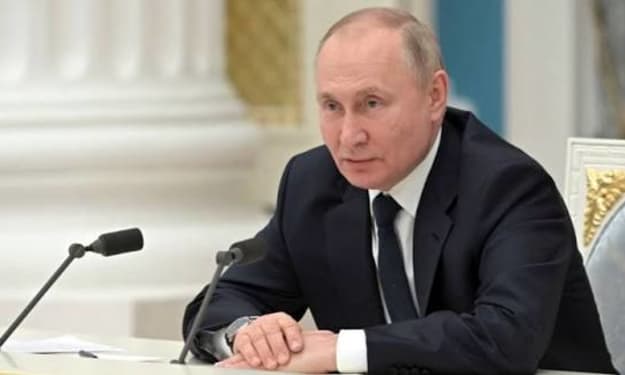
In the midst of Russia’s ongoing war in Ukraine, an often-overlooked dynamic is quietly shaping the nation’s internal landscape: the Kremlin’s intricate management of its billionaires. While Western sanctions target Russian wealth and business elites face mounting international scrutiny, Vladimir Putin has skillfully ensured that the country’s wealthiest citizens remain largely loyal—or at least publicly silent. Russia’s billionaires, who collectively control a significant portion of the nation’s economic and industrial might, occupy a precarious position. They are powerful enough to influence markets and investment flows, yet vulnerable to state pressure. During the war, many have chosen—or been compelled—to align their public stance with Kremlin interests, revealing the complex interplay between wealth, influence, and survival in Putin’s Russia. Wealth Under Watchful Eyes In Russia, wealth does not automatically equate to freedom. Oligarchs who amassed fortunes in the 1990s and early 2000s operate in a political ecosystem tightly overseen by the state. Since the beginning of the Ukraine war, those with significant holdings have faced increased pressure to demonstrate loyalty. The Kremlin has used a combination of incentives and implicit threats, ensuring that major business figures continue to fund state-friendly initiatives and refrain from dissent. The rewards for compliance are substantial. Those who toe the line maintain access to lucrative state contracts, preferential loans, and the opportunity to expand their businesses domestically and abroad. Conversely, defiance can result in punitive measures, including freezing of assets, legal investigations, and, in extreme cases, exile or arrest. This system of reward and threat has cultivated a culture of silence among Russia’s elite. The Quiet Compliance of the Oligarchs High-profile Russian billionaires such as Roman Abramovich, Alisher Usmanov, and others have largely avoided public criticism of the war. Some have stepped back from international dealings to minimize scrutiny, while others have made token statements in support of state initiatives. The message is clear: in Putin’s Russia, wealth must be accompanied by silence—or at least a carefully curated public image that avoids confrontation with the state. For many, this compliance is not merely pragmatic—it is survival. The fate of former oligarchs who have fallen afoul of Kremlin interests, such as Mikhail Khodorkovsky, serves as a stark reminder of the risks involved. The billionaires’ loyalty is not always enthusiastic; often, it is a calculated choice to protect their businesses, families, and international positions. Impact on Russia’s Economy and the War Effort The alignment of the wealthy elite has had a profound impact on Russia’s war effort. Oligarch-controlled industries, including energy, manufacturing, and finance, continue to function under state oversight, providing critical resources and revenue streams for the Kremlin. This economic backbone allows Russia to sustain military operations despite heavy sanctions and international isolation. Moreover, the silence of billionaires helps reinforce the Kremlin’s narrative domestically. By maintaining a united front among the wealthy elite, Putin reduces visible dissent that could inspire broader societal opposition. The perception of elite support—real or staged—bolsters the image of stability, even amid economic hardship and growing international pressure. The International Response Western governments have attempted to disrupt this dynamic by targeting Russian oligarchs with sanctions, travel bans, and asset freezes. While some billionaires have been affected, many have found creative ways to circumvent restrictions through proxy investments, foreign partnerships, or relocation of assets. This cat-and-mouse game demonstrates the limits of external pressure in altering domestic power structures, particularly in a state where wealth is deeply intertwined with political compliance. Looking Ahead The relationship between Russia’s billionaires and the Kremlin is a delicate one, shaped by mutual dependence and fear. As the war continues, this dynamic is likely to persist. While some oligarchs may seek subtle ways to protect their wealth internationally, most will continue to prioritize survival over activism. Putin’s ability to maintain this control reflects the enduring power of the Russian state to align interests, co-opt influence, and enforce compliance through both incentive and intimidation. In essence, Russia’s billionaires remain rich, but voiceless. Their fortunes are protected, but only so long as they adhere to an unspoken social contract with the Kremlin. For observers abroad, this dynamic highlights a central truth about contemporary Russia: in Putin’s vision, loyalty outweighs wealth, and silence is often the most valuable currency.
By Fiazahmedbrohi 19 days ago in The Swamp
Germany: Drones Disrupt Air Traffic in Hanover. AI-Generated.
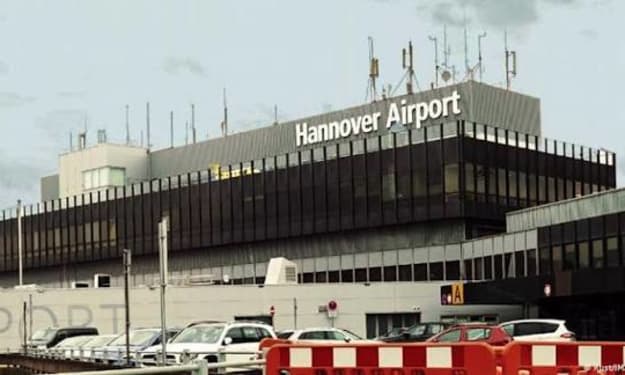
Hanover, Germany – Air travel in Hanover faced unexpected disruption as drones reportedly entered restricted airspace near the city’s airport, forcing authorities to halt several flights. The incident underscores the growing challenges posed by unmanned aerial vehicles (UAVs) and their potential impact on civil aviation safety. According to reports from the Hanover Airport authority, multiple drones were spotted near flight paths, triggering immediate air traffic alerts. For safety reasons, air traffic controllers decided to suspend takeoffs and landings until the situation could be assessed. Passengers experienced delays, and some flights were redirected to nearby airports. The Federal Aviation Office (Luftfahrt-Bundesamt, LBA) confirmed that drone activity in restricted zones is strictly prohibited. “Unauthorized drones in controlled airspace pose serious safety risks,” an official statement read. “We are working closely with law enforcement to identify the operators and prevent future incidents.” The disruption lasted for nearly two hours, affecting domestic and international flights. Airport officials emphasized that no accidents occurred, and all passengers were safely managed. However, the incident has ignited debates on the effectiveness of drone regulations and enforcement mechanisms in Germany. The Rise of Civilian Drones and Airspace Risks The popularity of drones has surged in recent years, fueled by recreational use, photography, and commercial applications. While drones offer innovative opportunities, they also create unforeseen risks, particularly near airports. Unauthorized UAV flights can interfere with aircraft navigation systems, posing dangers to pilots and passengers alike. The Hanover disruption is not an isolated case. Across Europe, airports have reported near misses and temporary closures due to drone intrusions. The European Union Aviation Safety Agency (EASA) estimates that thousands of drones are flown in Europe daily, making enforcement a complex challenge. Experts argue that drone technology has outpaced regulatory frameworks. Many hobbyist pilots are unaware of the strict rules governing flight near airports. In response, aviation authorities are emphasizing public awareness campaigns and stricter penalties for violations. Authorities Respond German police deployed specialized units to monitor airspace and identify drone operators. Drones found in restricted zones can be confiscated, and operators may face fines or legal action. In this Hanover incident, authorities confirmed that investigations are ongoing, and potential legal consequences could include hefty fines or imprisonment. In addition, technology solutions are being explored to counter drone threats. Anti-drone systems, such as radar detection, GPS jamming, and drone capture devices, are being tested at several European airports. However, experts caution that technology alone cannot fully eliminate risks, and public cooperation remains essential. Implications for Travelers Passengers traveling through Hanover were significantly affected by the disruption. Airlines advised travelers to check flight status online before heading to the airport. The incident highlights the importance of real-time communication between aviation authorities, airlines, and passengers during emergencies. Frequent flyers have expressed concerns about air safety, noting that even brief drone sightings can lead to serious consequences. “It’s alarming to think that a small device can halt major airport operations,” said a passenger waiting for a delayed flight. “Authorities must act fast to ensure safety and prevent repeated incidents.” Looking Ahead The Hanover drone disruption adds to a growing list of challenges faced by modern aviation. As drone technology becomes more accessible, airports and regulators must adapt quickly to protect airspace integrity. Enhanced regulations, robust detection systems, and public education campaigns are key measures to prevent future disruptions. Moreover, incidents like these raise broader questions about integrating UAVs safely into crowded airspace. Collaboration between government authorities, aviation experts, and drone manufacturers is essential to balance innovation with safety. Germany’s aviation sector has long been a model of efficiency and safety, but the rise of civilian drones presents a new frontier of challenges. The Hanover incident serves as a cautionary tale, emphasizing the need for proactive strategies to ensure that air travel remains safe, timely, and secure in an increasingly drone-populated sky. Key Takeaways: Drone sightings near Hanover Airport disrupted flights and grounded air traffic. Authorities are investigating the incident and may pursue legal action against operators. Increased public awareness, technology solutions, and strict enforcement are essential for aviation safety. Travelers are urged to monitor updates, as drone-related disruptions could become more frequent if regulations are not strictly enforced.
By Fiazahmedbrohi 19 days ago in The Swamp
UAE to Buy Stake in the Company Which Bought Shares in PIA: What It Means for Pakistan’s Aviation Future. AI-Generated.
Pakistan International Airlines (PIA), once regarded as one of Asia’s finest carriers, has long struggled with financial losses, operational inefficiencies, and declining global reputation. In recent years, Pakistan’s government has actively pursued privatization and foreign investment to revive the national airline. Now, a new development has sparked fresh debate and cautious optimism: the United Arab Emirates (UAE) is reportedly planning to buy a stake in the company that recently acquired shares in PIA. This layered investment move may seem indirect, but experts believe it could carry significant implications for Pakistan’s aviation sector, foreign investment climate, and regional economic ties. Understanding the Deal Structure Rather than purchasing shares in PIA directly, the UAE is considering buying a stake in the company that already holds PIA shares. This strategy allows investors to reduce direct exposure while still influencing outcomes through strategic partnerships. It also reflects the complexity surrounding PIA’s ownership, liabilities, and restructuring process. For Pakistan, this move suggests that foreign confidence is slowly returning, albeit cautiously. Instead of an outright takeover, the UAE appears interested in a gradual, calculated entry—one that allows observation, influence, and risk management. Why the UAE Is Interested The UAE has long been a major player in global aviation. Home to world-class airlines, logistics hubs, and airport infrastructure, the country understands the strategic value of air connectivity. Pakistan’s geographical position—linking South Asia, Central Asia, the Middle East, and China—makes PIA an attractive long-term asset despite its current struggles. Moreover, Pakistan has one of the largest overseas diasporas, particularly in the Gulf. A revitalized PIA could strengthen travel routes, cargo services, and tourism flows between the two countries. By investing indirectly, the UAE gains strategic leverage without immediate operational responsibility. Implications for PIA’s Revival If finalized, this investment could bring more than just capital. Analysts believe it may open doors to: Improved governance and oversight Operational reforms inspired by Gulf aviation models Enhanced credibility for future foreign investors Potential technical partnerships or management advisory roles PIA desperately needs restructuring—not just financially, but operationally. Fleet modernization, route optimization, and service quality upgrades are essential. UAE involvement, even at one remove, could accelerate these changes by applying pressure for international standards. What It Signals to Global Investors The move sends a strong signal to international markets: Pakistan is open for business, even in complex sectors like state-owned enterprises. Foreign investors often wait for a “confidence leader”—a credible first mover whose involvement lowers perceived risk. The UAE’s interest could play exactly that role. This could encourage investors from Europe, Asia, and the Middle East to explore opportunities in Pakistan’s aviation, logistics, and infrastructure sectors. However, sustained confidence will depend on transparency, regulatory consistency, and political stability. Concerns and Criticism Despite optimism, critics warn that indirect investments can limit accountability. Since the UAE would not be a direct shareholder in PIA, its ability—or willingness—to push deep reforms may be constrained. There are also fears that strategic national assets could be influenced without sufficient public oversight. Additionally, labor unions and aviation experts stress that privatization without worker protection and service guarantees could worsen conditions rather than improve them. Any reform must balance commercial viability with national interest. A Test Case for Pakistan’s Economic Direction This potential UAE stake is more than a business transaction—it is a test of Pakistan’s broader economic strategy. Can the country attract serious investors while safeguarding sovereignty? Can it reform legacy institutions without repeating past mistakes? If managed transparently and strategically, this deal could mark a turning point for PIA and Pakistan’s aviation industry. If mishandled, it risks becoming another missed opportunity. Looking Ahead While details remain under discussion, one thing is clear: PIA’s future is once again on the global radar. The UAE’s interest—though indirect—adds momentum to long-stalled reform efforts. For passengers, workers, and the wider economy, the coming months may prove decisive. Whether this move leads to genuine revival or remains a symbolic gesture will depend on execution, governance, and political will. For now, cautious optimism seems justified—but only time will tell if PIA can truly reclaim its wings.
By Fiazahmedbrohi 19 days ago in The Swamp
Russia–Ukraine War: List of Key Events, Day 1,403. AI-Generated.
As the Russia–Ukraine war reaches day 1,403, the conflict shows no signs of resolution. What began as a full-scale invasion in February 2022 has evolved into one of the longest and most complex wars in modern European history. Each passing day adds new layers of military, political, and humanitarian consequences, reshaping global alliances and security calculations. Day 1,403 highlights how entrenched the conflict has become—and how its ripple effects continue far beyond the battlefield.
By Fiazahmedbrohi 19 days ago in The Swamp
It’s Frightening”: How the Far Right Is Infiltrating Everyday Culture. AI-Generated.
In recent years, the far right has moved beyond the margins of politics and into the routines of daily life. What once appeared as fringe ideology—confined to obscure forums or extremist rallies—now seeps quietly into music playlists, fitness communities, online humor, fashion trends, and even self-help language. This normalization is what makes the phenomenon so unsettling. The far right no longer always announces itself with flags and slogans; instead, it blends in, borrowing the aesthetics and anxieties of modern culture to gain influence without immediate detection. One of the most powerful tools in this cultural infiltration is the internet, particularly social media platforms that reward provocation and emotional engagement. Algorithms do not promote ideology; they promote attention. Far-right content creators have learned to package their ideas in ways that trigger curiosity, outrage, or a sense of belonging. Short videos, memes, and ironic jokes often act as gateways, introducing themes of grievance, victimhood, or superiority without explicit political messaging. For many users—especially young people—this content feels less like propaganda and more like edgy entertainment. Fitness and “self-improvement” spaces have become another unexpected entry point. Online communities centered on discipline, masculinity, productivity, or “high value” lifestyles sometimes slip into narratives that glorify dominance, rigid gender roles, and cultural hierarchy. While self-improvement itself is not extremist, far-right actors exploit these spaces by framing social inequality as a natural order and presenting empathy or diversity as weakness. The message is subtle but persistent: strength belongs to a chosen few, and society has been corrupted by outsiders. Music and fashion also play a role in this quiet shift. Certain styles, symbols, and slogans—often stripped of their historical context—are reintroduced as rebellious or countercultural. What appears to be a harmless aesthetic choice can carry coded meanings recognized within extremist circles. This ambiguity provides plausible deniability while allowing adherents to identify one another. The result is a form of cultural camouflage, where ideology hides in plain sight. Humor is perhaps the most effective vehicle of all. Irony and satire can disarm criticism, making extreme ideas seem harmless or “just a joke.” When challenged, creators often retreat behind humor as a shield, accusing critics of being overly sensitive or humorless. Over time, repeated exposure to such jokes can desensitize audiences, gradually shifting the boundaries of what feels acceptable to say or think. What starts as laughter can end as belief. The far right’s infiltration of everyday culture is also fueled by genuine social and economic anxieties. Rising living costs, job insecurity, rapid cultural change, and political distrust create fertile ground for simplistic explanations and scapegoats. Extremist narratives thrive by offering clear villains and easy answers, even when reality is complex. By embedding these narratives in lifestyle content rather than overt political speeches, they become more emotionally resonant and harder to reject outright. This trend is frightening not only because of what it promotes, but because of how quietly it works. Cultural influence shapes values long before laws or elections do. When extremist ideas become normalized through entertainment, fashion, or motivational talk, they can erode empathy and democratic norms without triggering immediate alarm. People may find themselves agreeing with fragments of an ideology before recognizing its full implications. Yet awareness is the first step toward resistance. Media literacy—understanding how content is framed, shared, and monetized—can help individuals recognize manipulation. Asking simple questions such as “Who benefits from this message?” or “What assumptions are being smuggled in?” can disrupt the passive consumption that extremist movements rely on. Equally important is creating and supporting alternative cultural spaces that promote inclusion, critical thinking, and nuance without sacrificing creativity or appeal. The infiltration of the far right into everyday culture is not inevitable, nor is it unstoppable. Culture is dynamic, shaped daily by millions of choices—what we watch, share, wear, and celebrate. Recognizing the subtle ways ideology travels allows society to push back, not with fear, but with clarity and confidence. In a time when ideas spread faster than ever, vigilance is not paranoia; it is a necessary form of cultural self-defense.
By Fiazahmedbrohi 19 days ago in The Swamp
Pakistan's first female central bank head Shamshad Akhtar dies at 71. AI-Generated.
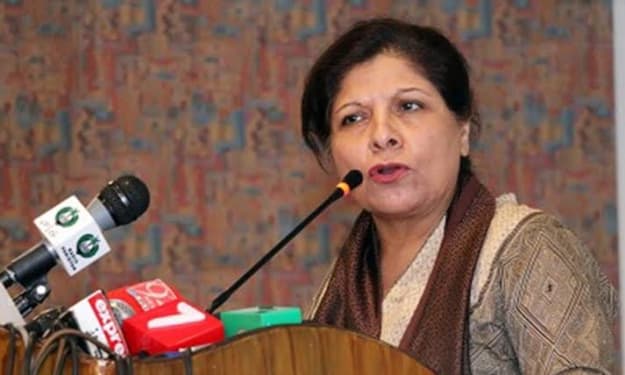
Pakistan and the wider international economic community are mourning the loss of one of its most distinguished and trailblazing leaders, Dr. Shamshad Akhtar, who passed away at the age of 71. Her death marks the end of an era for a figure whose contributions spanned national monetary policy, international finance, and economic governance. � Reuters +1 Shamshad Akhtar was widely known as the first and only woman to lead the State Bank of Pakistan (SBP), the country’s central bank, a position she held from 2006 to 2009. She later served twice as Pakistan’s caretaker finance minister—first before the 2018 general elections and again leading up to the 2024 polls—a rare role that positioned her at the crossroads of fiscal policy and political transition. At the time of her passing, she was serving as chairperson of the Pakistan Stock Exchange (PSX), reflecting her unparalleled career across almost all tiers of economic leadership. � Khaleej Times A Pioneer in Economics and Policy Born in Hyderabad, Sindh, Shamshad Akhtar pursued a distinguished academic path that laid the foundation for her future impact on economic policy. She earned a Bachelor’s degree in Economics from the University of the Punjab, followed by a Master’s from Quaid-i-Azam University, and advanced degrees in Development Economics from the University of Sussex and a PhD from Paisley College of Technology in the UK. Her academic credentials were further bolstered by a Fulbright fellowship and a visiting fellowship at Harvard University’s Department of Economics—an extraordinary achievement for a woman from Pakistan during her time. � Pakistan Today Her career began in earnest at the Asian Development Bank (ADB), where she climbed the ranks to senior leadership roles. Akhtar also worked with the World Bank as Vice President for the Middle East and North Africa and served as the Executive Secretary of the United Nations Economic and Social Commission for Asia and the Pacific (UN ESCAP)—positions that highlighted her global stature as an economist. � Khaleej Times Breaking Barriers in Monetary Policy When Dr. Akhtar became governor of the State Bank of Pakistan, she defied entrenched norms in a sector traditionally dominated by men. Her appointment was groundbreaking in Pakistan’s economic history, not only because she was a woman, but because she brought global insight and rigorous analytical skills to the country’s central bank. During her tenure, she worked to strengthen financial regulation, enhance institutional credibility, and navigate complex monetary challenges. � Pakistan Today Economists and policymakers have noted that her leadership helped improve Pakistan’s standing in international financial circles and laid the groundwork for future reforms in fiscal management and banking oversight. Leadership During Political Transitions Akhtar’s role as a caretaker finance minister placed her at the heart of some of Pakistan’s most sensitive political transitions. Tasked with steering economic policy during election cycles, she displayed a reputation for integrity, professionalism, and steady leadership. Finance Minister Muhammad Aurangzeb described her as a “principled and dignified voice in Pakistan’s economic history,” praising her integrity and decades of public service. � Khaleej Times Her repeated selection for critical caretaker roles reflected both bipartisan respect and confidence in her ability to manage fiscal affairs impartially during times of uncertainty. National and Global Tributes Tributes poured in from national leaders following the announcement of her death. Pakistan’s President Asif Ali Zardari and Prime Minister Shehbaz Sharif publicly expressed their sorrow, calling her a “devoted public servant” whose contributions to economic governance were profound and lasting. The Chief of Army Staff and other senior officials also extended condolences, highlighting her role in building institutional strength. � Pakistan Today International organizations echoed this sentiment. UN ESCAP recognized her work in strengthening regional cooperation and sustainable development, while global financial communities noted her influence on economic policymaking across borders. A Legacy of Trailblazing Leadership Shamshad Akhtar’s legacy is multifaceted. She was a pioneer for women in economics, breaking glass ceilings not just in Pakistan but on the global stage. Her career demonstrated that leadership grounded in competence, integrity, and vision can profoundly influence both national policy and international cooperation. She also served in a rare spectrum of roles—from central banking to fiscal policy, international finance, and capital market governance. Such breadth is unusual even in the careers of top economists, underscoring her exceptional capability and dedication to public service. Beyond Title: A Role Model For many young Pakistani women aspiring to careers in economics, finance, or public administration, Dr. Akhtar was more than a title. She was a role model whose achievements proved that talent and hard work can transcend systemic barriers. Her passing is not only a loss for Pakistan’s economic institutions but for the global community that benefited from her knowledge, perspective, and leadership. Final Reflection As Pakistan mourns the passing of one of its most respected economic minds, the impact of Shamshad Akhtar’s work will continue to be felt in policy frameworks, institutional reforms, and the generations of professionals she inspired. In a career that spanned decades, disciplines, and continents, she remained unwavering in her commitment to service—a legacy that will shape economic thought and public leadership for years to come. � dailyindependent.com.pk
By Fiazahmedbrohi 19 days ago in Humans
Zelenskyy to Hold Talks with European Leaders Amid Fresh Strikes on Kyiv. AI-Generated.
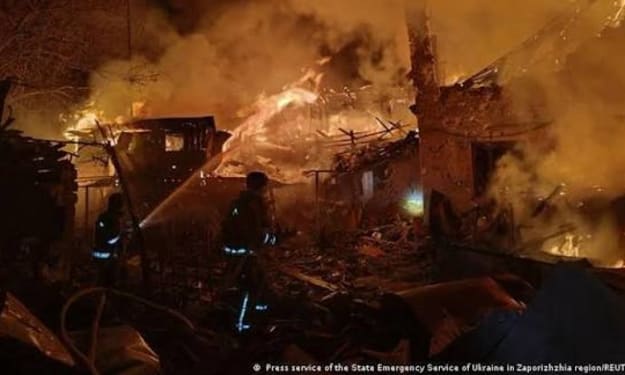
As fresh strikes once again shake Kyiv, Ukrainian President Volodymyr Zelenskyy is preparing to hold high-level talks with European leaders, signaling that diplomacy remains as critical as battlefield resilience. The timing of these discussions underscores a familiar pattern in the Russia-Ukraine war: moments of intensified military pressure are often followed by renewed diplomatic engagement, as Ukraine seeks both immediate support and long-term security guarantees from its European partners. The latest attacks on Kyiv have reignited concerns about the vulnerability of civilian infrastructure and the sustainability of Ukraine’s air defense systems. Although Ukrainian forces have repeatedly demonstrated their ability to intercept incoming missiles and drones, the psychological and economic impact of repeated strikes on the capital remains profound. For ordinary Ukrainians, air raid sirens and power disruptions have become an exhausting routine, reinforcing the urgency behind Zelenskyy’s diplomatic push. Zelenskyy’s planned talks with European leaders are expected to focus on several core issues: military assistance, air defense reinforcement, financial aid, and the broader political roadmap for ending the war. Europe has been one of Ukraine’s most consistent backers since the conflict began, but shifting political dynamics within the European Union have introduced new challenges. Elections, budget constraints, and war fatigue among voters have made continued support a more complex proposition for some governments. Against this backdrop, the Ukrainian president’s message is likely to emphasize unity and shared security interests. Zelenskyy has frequently argued that Ukraine’s fight is not only about national survival but also about protecting the European security order. Fresh strikes on Kyiv serve as a stark reminder that the conflict’s consequences extend far beyond Ukraine’s borders, affecting energy security, migration patterns, and geopolitical stability across the continent. European leaders, meanwhile, face a delicate balancing act. On one hand, there is broad recognition that abandoning Ukraine would embolden aggression and undermine international norms. On the other, concerns persist about escalation, economic strain, and the long-term cost of sustained military support. Zelenskyy’s diplomacy aims to keep Ukraine’s plight at the forefront of European agendas, especially at a time when global attention is divided among multiple crises. The renewed attacks on Kyiv also highlight the evolving nature of the war. Rather than rapid territorial advances, the conflict has increasingly taken the form of attritional strikes designed to exhaust resources and morale. In this environment, air defense systems, intelligence sharing, and rapid repair of infrastructure have become just as important as traditional battlefield gains. Zelenskyy’s discussions with European partners are expected to address these realities, with a focus on practical measures that can make an immediate difference for civilians. Another key theme likely to emerge in the talks is Ukraine’s long-term integration with Europe. Beyond emergency aid, Kyiv continues to push for deeper political and economic ties with the European Union. For Zelenskyy, these talks are not only about surviving the present crisis but also about shaping Ukraine’s future as a firmly European state. Progress toward EU membership, reconstruction planning, and institutional reforms may all feature in the discussions, even as missiles fall. From a broader perspective, the timing of these talks sends a powerful symbolic message. By engaging European leaders amid active hostilities, Zelenskyy reinforces the idea that Ukraine refuses to be isolated or intimidated. The strategy blends resilience with outreach, projecting an image of a nation that can withstand pressure while actively shaping its diplomatic destiny. For the Vocal Media audience, this moment captures the essence of modern conflict: war and diplomacy unfolding simultaneously, each influencing the other in real time. The strikes on Kyiv are not just military events; they are catalysts for political decisions, alliances, and narratives that will shape Europe’s future. Zelenskyy’s engagement with European leaders reflects a recognition that wars today are fought as much in conference rooms as on the battlefield. Ultimately, the success of these talks will be measured not only by new aid packages or statements of solidarity, but by whether they translate into sustained, coordinated action. As confirmed by recent events, Ukraine’s struggle is far from over. Yet, by turning moments of crisis into opportunities for dialogue, Zelenskyy continues to demonstrate a leadership style defined by persistence, adaptability, and an unwavering appeal to shared values. In the shadow of fresh strikes on Kyiv, these talks stand as a reminder that even in the darkest moments, diplomacy remains a vital weapon—one that Ukraine is determined to wield with purpose and resolve.
By Fiazahmedbrohi 20 days ago in The Swamp
Yemen’s Saudi-Led Coalition Warns STC Against Moves in Hadramout. AI-Generated.
Yemen’s long-running conflict has entered yet another complex phase as the Saudi-led coalition has issued a clear warning to the Southern Transitional Council (STC) over its political and military activities in Hadramout province. The development highlights deep fractures within the anti-Houthi camp and underscores how unresolved rivalries continue to threaten stability in a country already devastated by years of war. Hadramout, Yemen’s largest governorate by area, occupies a strategic position in the country’s east. Rich in natural resources and home to key ports and oil facilities, the province has largely avoided the intense fighting seen in other regions. However, its relative calm has made it a focal point for competing political ambitions. The recent warning from the Saudi-led coalition suggests growing concern that the STC’s actions could destabilize the area and undermine broader efforts to maintain unity among forces opposed to the Houthi movement. The Southern Transitional Council, backed primarily by the United Arab Emirates, has long advocated for southern autonomy or outright independence. While the STC is technically aligned with the internationally recognized Yemeni government and the Saudi-led coalition against the Houthis, its goals often clash with those of Riyadh and President Abdrabbuh Mansur Hadi’s successors. In recent years, the STC has consolidated control over several southern regions, including Aden, and has sought to expand its influence into Hadramout. According to analysts, the coalition’s warning reflects fears that unilateral moves by the STC—such as mobilizing armed units or attempting to assert administrative control—could trigger internal conflict. Hadramout has its own local power structures, tribal networks, and security forces that do not necessarily align with the STC’s southern separatist agenda. Any attempt to impose authority could spark resistance, drawing the province into the broader turmoil engulfing Yemen. Saudi Arabia’s role in Hadramout has traditionally focused on security and counterterrorism, particularly against extremist groups like Al-Qaeda in the Arabian Peninsula. Riyadh has invested heavily in stabilizing the region, viewing it as a buffer against chaos spreading from western Yemen. From this perspective, the STC’s ambitions represent a direct challenge to Saudi interests and to the coalition’s stated goal of preserving Yemen’s territorial integrity. The warning also exposes the delicate balance within the Saudi-led coalition itself. While Saudi Arabia and the UAE remain strategic partners, they have backed different local actors in Yemen, leading to overlapping and sometimes conflicting agendas. The STC’s rise has been widely attributed to Emirati support, whereas Saudi Arabia has continued to endorse the central government framework. Hadramout, therefore, has become a testing ground for how far these differences can be managed without open confrontation. For local residents, the political maneuvering raises serious concerns. Hadramout’s population has enjoyed relative stability compared to other regions, allowing limited economic activity and social life to continue despite the national crisis. Any escalation could disrupt livelihoods, displace communities, and open the door to renewed violence. Civil society voices in the province have repeatedly called for keeping Hadramout neutral, warning that importing external conflicts would only worsen humanitarian conditions. International observers see the situation as emblematic of Yemen’s broader problem: the absence of a unified vision for the country’s future. Even as diplomatic efforts to end the war with the Houthis gain momentum, divisions among anti-Houthi factions threaten to derail progress. The coalition’s warning to the STC may be an attempt to enforce discipline and prevent fragmentation, but it also highlights how fragile existing alliances remain. Looking ahead, much will depend on whether dialogue can prevail over confrontation. The STC faces a choice between pursuing its ambitions through negotiation or risking isolation by defying the coalition’s warning. At the same time, Saudi Arabia and its partners must address southern grievances in a meaningful way if they hope to maintain cohesion. Ignoring these tensions could lead to new fronts of conflict, complicating an already dire situation. In essence, the dispute over Hadramout is not just about territorial control; it is about competing visions of Yemen’s identity and governance. As the Saudi-led coalition cautions the STC against destabilizing moves, the episode serves as a reminder that peace in Yemen will require more than ending battles—it will demand reconciling deeply rooted political aspirations. Until then, provinces like Hadramout will remain at the center of a fragile and uncertain future.
By Fiazahmedbrohi 20 days ago in The Swamp
Somalia Demands Israel Withdraw Somaliland Recognition: A New Flashpoint in the Horn of Africa. AI-Generated.
The Horn of Africa has once again become the center of international attention as Somalia formally demanded that Israel withdraw any recognition or engagement with Somaliland, the self-declared breakaway region in northern Somalia. The move highlights deep-rooted sovereignty disputes, shifting geopolitical alliances, and growing competition among global and regional powers in one of the world’s most strategically important regions. Understanding the Somaliland Question Somaliland declared independence from Somalia in 1991 following the collapse of the central government. Since then, it has maintained its own administration, security forces, and democratic elections. Despite this relative stability, no major international body or state officially recognizes Somaliland as an independent country. Somalia continues to view Somaliland as an integral part of its sovereign territory. For Mogadishu, any foreign recognition or diplomatic engagement with Somaliland is seen as a direct violation of Somalia’s territorial integrity and international law. Why Israel Is at the Center of the Dispute Reports suggesting that Israel may be exploring diplomatic or strategic engagement with Somaliland have alarmed Somalia’s federal government. Although Israel has not publicly announced formal recognition, Somalia fears that even informal acknowledgment could set a dangerous precedent. Somali officials argue that such actions undermine Somalia’s unity and embolden separatist movements. In response, Somalia has issued strong diplomatic messages demanding that Israel respect Somalia’s internationally recognized borders. Strategic Importance of Somaliland Somaliland occupies a highly strategic location along the Gulf of Aden, near one of the world’s busiest maritime trade routes. Control or influence in this region offers access to vital shipping lanes connecting Europe, Asia, and the Middle East. This strategic positioning has attracted growing interest from global and regional players seeking military, economic, and security partnerships. Somaliland’s Berbera port, in particular, has become a focal point for international investment and strategic planning. Somalia’s Diplomatic Stance Somalia’s government has emphasized that recognition of Somaliland violates international norms and African Union principles, which prioritize the preservation of colonial-era borders to prevent instability. Officials warn that external involvement risks reigniting conflict in a country that has spent decades recovering from civil war. Somalia has called on the international community to engage only through Mogadishu and respect its sovereignty, arguing that fragmented diplomacy could weaken regional stability. Regional and Global Implications The dispute extends beyond Somalia and Israel. It reflects broader geopolitical shifts in the Horn of Africa, where countries compete for influence amid fragile political landscapes. Regional tensions have already been heightened by conflicts in neighboring Ethiopia and Sudan, as well as by rival interests of global powers. Any recognition of Somaliland by a state like Israel could encourage other nations to follow suit, potentially redrawing political alliances and triggering diplomatic fallout across Africa and the Middle East. Somaliland’s Perspective From Somaliland’s viewpoint, international engagement is long overdue recognition of its political stability and governance compared to the rest of Somalia. Leaders in Hargeisa argue that their decades-long peace, democratic processes, and economic development justify independent status. Somaliland supporters see foreign engagement as validation of their self-determination, even if formal recognition remains elusive. What Comes Next? The situation places Israel in a delicate position. Balancing diplomatic interests while avoiding destabilization in the Horn of Africa will require careful navigation. Somalia, meanwhile, is likely to intensify diplomatic efforts through regional organizations and international forums. The dispute also raises broader questions about sovereignty, self-determination, and the role of external powers in fragile regions. Conclusion Somalia’s demand that Israel withdraw any recognition of Somaliland underscores the fragile balance of power in the Horn of Africa. As global interest in the region grows, unresolved historical disputes risk becoming flashpoints for wider geopolitical tensions. Whether this issue escalates into a larger diplomatic confrontation or leads to renewed dialogue will depend on how regional actors and international partners respond. What remains clear is that Somaliland’s status continues to shape the political future of Somalia—and the strategic calculations of the world beyond its borders.
By Fiazahmedbrohi 20 days ago in The Swamp