
UAE to Buy Stake in the Company Which Bought Shares in PIA: What It Means for Pakistan’s Aviation Future
A strategic Gulf investment could reshape Pakistan’s struggling national airline and signal renewed foreign confidence

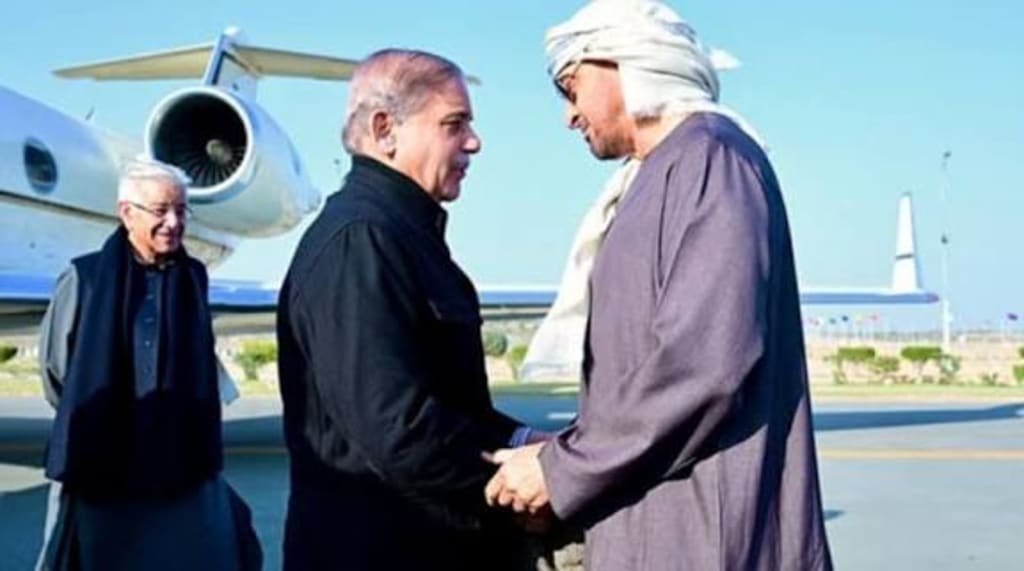
Pakistan International Airlines (PIA), once regarded as one of Asia’s finest carriers, has long struggled with financial losses, operational inefficiencies, and declining global reputation. In recent years, Pakistan’s government has actively pursued privatization and foreign investment to revive the national airline. Now, a new development has sparked fresh debate and cautious optimism: the United Arab Emirates (UAE) is reportedly planning to buy a stake in the company that recently acquired shares in PIA.
This layered investment move may seem indirect, but experts believe it could carry significant implications for Pakistan’s aviation sector, foreign investment climate, and regional economic ties.
Understanding the Deal Structure
Rather than purchasing shares in PIA directly, the UAE is considering buying a stake in the company that already holds PIA shares. This strategy allows investors to reduce direct exposure while still influencing outcomes through strategic partnerships. It also reflects the complexity surrounding PIA’s ownership, liabilities, and restructuring process.
For Pakistan, this move suggests that foreign confidence is slowly returning, albeit cautiously. Instead of an outright takeover, the UAE appears interested in a gradual, calculated entry—one that allows observation, influence, and risk management.
Why the UAE Is Interested
The UAE has long been a major player in global aviation. Home to world-class airlines, logistics hubs, and airport infrastructure, the country understands the strategic value of air connectivity. Pakistan’s geographical position—linking South Asia, Central Asia, the Middle East, and China—makes PIA an attractive long-term asset despite its current struggles.
Moreover, Pakistan has one of the largest overseas diasporas, particularly in the Gulf. A revitalized PIA could strengthen travel routes, cargo services, and tourism flows between the two countries. By investing indirectly, the UAE gains strategic leverage without immediate operational responsibility.
Implications for PIA’s Revival
If finalized, this investment could bring more than just capital. Analysts believe it may open doors to:
Improved governance and oversight
Operational reforms inspired by Gulf aviation models
Enhanced credibility for future foreign investors
Potential technical partnerships or management advisory roles
PIA desperately needs restructuring—not just financially, but operationally. Fleet modernization, route optimization, and service quality upgrades are essential. UAE involvement, even at one remove, could accelerate these changes by applying pressure for international standards.
What It Signals to Global Investors
The move sends a strong signal to international markets: Pakistan is open for business, even in complex sectors like state-owned enterprises. Foreign investors often wait for a “confidence leader”—a credible first mover whose involvement lowers perceived risk. The UAE’s interest could play exactly that role.
This could encourage investors from Europe, Asia, and the Middle East to explore opportunities in Pakistan’s aviation, logistics, and infrastructure sectors. However, sustained confidence will depend on transparency, regulatory consistency, and political stability.
Concerns and Criticism
Despite optimism, critics warn that indirect investments can limit accountability. Since the UAE would not be a direct shareholder in PIA, its ability—or willingness—to push deep reforms may be constrained. There are also fears that strategic national assets could be influenced without sufficient public oversight.
Additionally, labor unions and aviation experts stress that privatization without worker protection and service guarantees could worsen conditions rather than improve them. Any reform must balance commercial viability with national interest.
A Test Case for Pakistan’s Economic Direction
This potential UAE stake is more than a business transaction—it is a test of Pakistan’s broader economic strategy. Can the country attract serious investors while safeguarding sovereignty? Can it reform legacy institutions without repeating past mistakes?
If managed transparently and strategically, this deal could mark a turning point for PIA and Pakistan’s aviation industry. If mishandled, it risks becoming another missed opportunity.
Looking Ahead
While details remain under discussion, one thing is clear: PIA’s future is once again on the global radar. The UAE’s interest—though indirect—adds momentum to long-stalled reform efforts. For passengers, workers, and the wider economy, the coming months may prove decisive.
Whether this move leads to genuine revival or remains a symbolic gesture will depend on execution, governance, and political will. For now, cautious optimism seems justified—but only time will tell if PIA can truly reclaim its wings.
About the Creator
Fiaz Ahmed Brohi
I am a passionate writer with a love for exploring and creating content on trending topics. Always curious, always sharing stories that engage and inspire.
Keep reading
More stories from Fiaz Ahmed Brohi and writers in The Swamp and other communities.
Russia–Ukraine War: List of Key Events, Day 1,403
As the Russia–Ukraine war reaches day 1,403, the conflict shows no signs of resolution. What began as a full-scale invasion in February 2022 has evolved into one of the longest and most complex wars in modern European history. Each passing day adds new layers of military, political, and humanitarian consequences, reshaping global alliances and security calculations. Day 1,403 highlights how entrenched the conflict has become—and how its ripple effects continue far beyond the battlefield.
By Fiaz Ahmed Brohi23 days ago in The Swamp
Iran’s Khamenei Blames Violent Protests on Trump
Iran is once again at the center of international attention after Supreme Leader Ayatollah Ali Khamenei blamed violent protests on former U.S. President Donald Trump, accusing Washington of fueling unrest inside the country. The comments come amid widespread demonstrations, a heavy security crackdown, and rising international concern over human rights and regional stability.
By Aarif Lasharia day ago in The Swamp



Comments
There are no comments for this story
Be the first to respond and start the conversation.