
Rich and Voiceless: How Putin Has Kept Russia's Billionaires on Side in the War
Power, profits, and silence: the delicate balance between Russia’s elite and the Kremlin amid conflict.

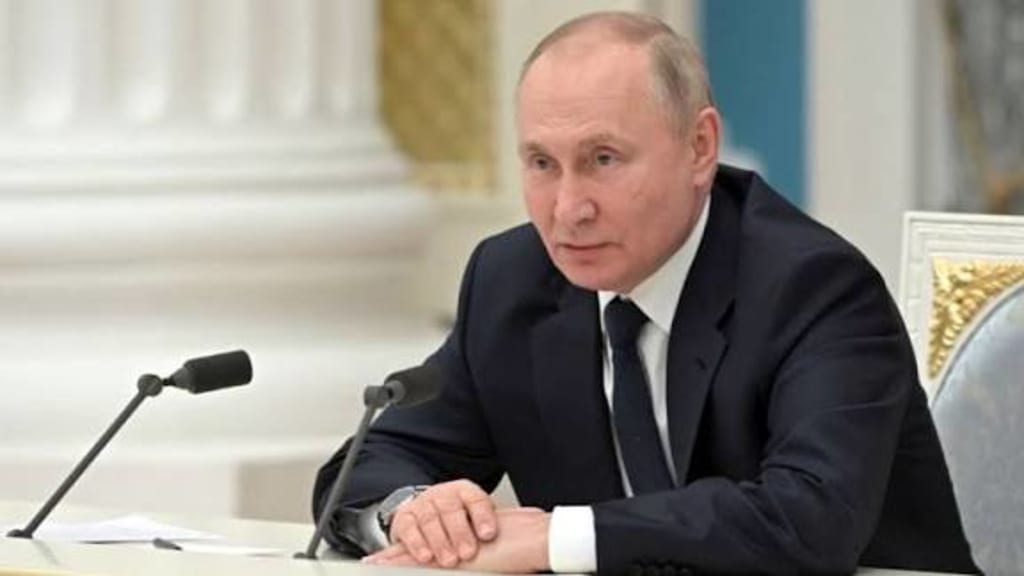
In the midst of Russia’s ongoing war in Ukraine, an often-overlooked dynamic is quietly shaping the nation’s internal landscape: the Kremlin’s intricate management of its billionaires. While Western sanctions target Russian wealth and business elites face mounting international scrutiny, Vladimir Putin has skillfully ensured that the country’s wealthiest citizens remain largely loyal—or at least publicly silent.
Russia’s billionaires, who collectively control a significant portion of the nation’s economic and industrial might, occupy a precarious position. They are powerful enough to influence markets and investment flows, yet vulnerable to state pressure. During the war, many have chosen—or been compelled—to align their public stance with Kremlin interests, revealing the complex interplay between wealth, influence, and survival in Putin’s Russia.
Wealth Under Watchful Eyes
In Russia, wealth does not automatically equate to freedom. Oligarchs who amassed fortunes in the 1990s and early 2000s operate in a political ecosystem tightly overseen by the state. Since the beginning of the Ukraine war, those with significant holdings have faced increased pressure to demonstrate loyalty. The Kremlin has used a combination of incentives and implicit threats, ensuring that major business figures continue to fund state-friendly initiatives and refrain from dissent.
The rewards for compliance are substantial. Those who toe the line maintain access to lucrative state contracts, preferential loans, and the opportunity to expand their businesses domestically and abroad. Conversely, defiance can result in punitive measures, including freezing of assets, legal investigations, and, in extreme cases, exile or arrest. This system of reward and threat has cultivated a culture of silence among Russia’s elite.
The Quiet Compliance of the Oligarchs
High-profile Russian billionaires such as Roman Abramovich, Alisher Usmanov, and others have largely avoided public criticism of the war. Some have stepped back from international dealings to minimize scrutiny, while others have made token statements in support of state initiatives. The message is clear: in Putin’s Russia, wealth must be accompanied by silence—or at least a carefully curated public image that avoids confrontation with the state.
For many, this compliance is not merely pragmatic—it is survival. The fate of former oligarchs who have fallen afoul of Kremlin interests, such as Mikhail Khodorkovsky, serves as a stark reminder of the risks involved. The billionaires’ loyalty is not always enthusiastic; often, it is a calculated choice to protect their businesses, families, and international positions.
Impact on Russia’s Economy and the War Effort
The alignment of the wealthy elite has had a profound impact on Russia’s war effort. Oligarch-controlled industries, including energy, manufacturing, and finance, continue to function under state oversight, providing critical resources and revenue streams for the Kremlin. This economic backbone allows Russia to sustain military operations despite heavy sanctions and international isolation.
Moreover, the silence of billionaires helps reinforce the Kremlin’s narrative domestically. By maintaining a united front among the wealthy elite, Putin reduces visible dissent that could inspire broader societal opposition. The perception of elite support—real or staged—bolsters the image of stability, even amid economic hardship and growing international pressure.
The International Response
Western governments have attempted to disrupt this dynamic by targeting Russian oligarchs with sanctions, travel bans, and asset freezes. While some billionaires have been affected, many have found creative ways to circumvent restrictions through proxy investments, foreign partnerships, or relocation of assets. This cat-and-mouse game demonstrates the limits of external pressure in altering domestic power structures, particularly in a state where wealth is deeply intertwined with political compliance.
Looking Ahead
The relationship between Russia’s billionaires and the Kremlin is a delicate one, shaped by mutual dependence and fear. As the war continues, this dynamic is likely to persist. While some oligarchs may seek subtle ways to protect their wealth internationally, most will continue to prioritize survival over activism. Putin’s ability to maintain this control reflects the enduring power of the Russian state to align interests, co-opt influence, and enforce compliance through both incentive and intimidation.
In essence, Russia’s billionaires remain rich, but voiceless. Their fortunes are protected, but only so long as they adhere to an unspoken social contract with the Kremlin. For observers abroad, this dynamic highlights a central truth about contemporary Russia: in Putin’s vision, loyalty outweighs wealth, and silence is often the most valuable currency.
About the Creator
Fiaz Ahmed Brohi
I am a passionate writer with a love for exploring and creating content on trending topics. Always curious, always sharing stories that engage and inspire.
Keep reading
More stories from Fiaz Ahmed Brohi and writers in The Swamp and other communities.
Germany: Drones Disrupt Air Traffic in Hanover
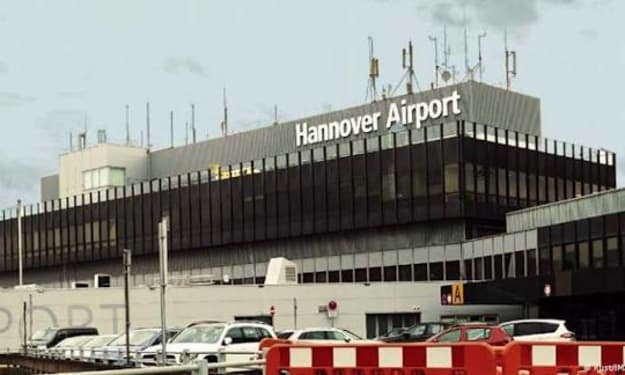
Hanover, Germany – Air travel in Hanover faced unexpected disruption as drones reportedly entered restricted airspace near the city’s airport, forcing authorities to halt several flights. The incident underscores the growing challenges posed by unmanned aerial vehicles (UAVs) and their potential impact on civil aviation safety. According to reports from the Hanover Airport authority, multiple drones were spotted near flight paths, triggering immediate air traffic alerts. For safety reasons, air traffic controllers decided to suspend takeoffs and landings until the situation could be assessed. Passengers experienced delays, and some flights were redirected to nearby airports. The Federal Aviation Office (Luftfahrt-Bundesamt, LBA) confirmed that drone activity in restricted zones is strictly prohibited. “Unauthorized drones in controlled airspace pose serious safety risks,” an official statement read. “We are working closely with law enforcement to identify the operators and prevent future incidents.” The disruption lasted for nearly two hours, affecting domestic and international flights. Airport officials emphasized that no accidents occurred, and all passengers were safely managed. However, the incident has ignited debates on the effectiveness of drone regulations and enforcement mechanisms in Germany. The Rise of Civilian Drones and Airspace Risks The popularity of drones has surged in recent years, fueled by recreational use, photography, and commercial applications. While drones offer innovative opportunities, they also create unforeseen risks, particularly near airports. Unauthorized UAV flights can interfere with aircraft navigation systems, posing dangers to pilots and passengers alike. The Hanover disruption is not an isolated case. Across Europe, airports have reported near misses and temporary closures due to drone intrusions. The European Union Aviation Safety Agency (EASA) estimates that thousands of drones are flown in Europe daily, making enforcement a complex challenge. Experts argue that drone technology has outpaced regulatory frameworks. Many hobbyist pilots are unaware of the strict rules governing flight near airports. In response, aviation authorities are emphasizing public awareness campaigns and stricter penalties for violations. Authorities Respond German police deployed specialized units to monitor airspace and identify drone operators. Drones found in restricted zones can be confiscated, and operators may face fines or legal action. In this Hanover incident, authorities confirmed that investigations are ongoing, and potential legal consequences could include hefty fines or imprisonment. In addition, technology solutions are being explored to counter drone threats. Anti-drone systems, such as radar detection, GPS jamming, and drone capture devices, are being tested at several European airports. However, experts caution that technology alone cannot fully eliminate risks, and public cooperation remains essential. Implications for Travelers Passengers traveling through Hanover were significantly affected by the disruption. Airlines advised travelers to check flight status online before heading to the airport. The incident highlights the importance of real-time communication between aviation authorities, airlines, and passengers during emergencies. Frequent flyers have expressed concerns about air safety, noting that even brief drone sightings can lead to serious consequences. “It’s alarming to think that a small device can halt major airport operations,” said a passenger waiting for a delayed flight. “Authorities must act fast to ensure safety and prevent repeated incidents.” Looking Ahead The Hanover drone disruption adds to a growing list of challenges faced by modern aviation. As drone technology becomes more accessible, airports and regulators must adapt quickly to protect airspace integrity. Enhanced regulations, robust detection systems, and public education campaigns are key measures to prevent future disruptions. Moreover, incidents like these raise broader questions about integrating UAVs safely into crowded airspace. Collaboration between government authorities, aviation experts, and drone manufacturers is essential to balance innovation with safety. Germany’s aviation sector has long been a model of efficiency and safety, but the rise of civilian drones presents a new frontier of challenges. The Hanover incident serves as a cautionary tale, emphasizing the need for proactive strategies to ensure that air travel remains safe, timely, and secure in an increasingly drone-populated sky. Key Takeaways: Drone sightings near Hanover Airport disrupted flights and grounded air traffic. Authorities are investigating the incident and may pursue legal action against operators. Increased public awareness, technology solutions, and strict enforcement are essential for aviation safety. Travelers are urged to monitor updates, as drone-related disruptions could become more frequent if regulations are not strictly enforced.
By Fiaz Ahmed Brohi22 days ago in The Swamp
US to Suspend Immigrant Visa Processing for 75 Countries: What It Means and Why It Matters
The United States is reportedly preparing to suspend immigrant visa processing for applicants from 75 countries, a move that could significantly reshape global migration patterns and diplomatic relations. If implemented, the decision would represent one of the most far-reaching changes to US immigration procedures in recent years, affecting thousands of families, workers, and students worldwide. The policy, according to officials familiar with the matter, is being framed as an administrative and security-driven measure rather than a permanent ban. However, its scale and potential impact have already sparked debate among policymakers, immigration advocates, and affected communities. What Does Suspending Immigrant Visa Processing Mean? Suspending immigrant visa processing does not necessarily mean a complete prohibition on entry into the United States. Instead, it typically involves halting the review and approval of new immigrant visa applications at US embassies and consulates in the affected countries. Immigrant visas are issued to individuals seeking permanent residence in the US, including family-sponsored immigrants, employment-based applicants, and diversity visa winners. A suspension would delay or freeze these pathways, leaving many applicants in prolonged uncertainty. Non-immigrant visas—such as tourist, student, or temporary work visas—may or may not be included, depending on how the policy is implemented. Past measures have often drawn a distinction between permanent immigration and temporary travel. Why Is the US Considering This Move? US officials have cited several factors behind the proposed suspension. These include security concerns, administrative capacity, document verification challenges, and compliance with US immigration standards. Some countries on the list reportedly lack reliable civil documentation systems, making it difficult for US authorities to verify identities, criminal records, or travel histories. Others may have limited cooperation with US immigration enforcement or information-sharing mechanisms. In addition, the US immigration system continues to face backlogs and staffing shortages, worsened by the lingering effects of the COVID-19 pandemic. Suspending visa processing for certain countries may be viewed as a way to manage workload while broader reforms are considered. Which Countries Could Be Affected? While an official list has not been publicly confirmed, reports suggest that the 75 countries under consideration span Africa, Asia, the Middle East, and parts of Latin America. Many of these nations are already subject to heightened scrutiny due to political instability, conflict, or weak governance structures. The geographic scope of the suspension underscores its global significance. If enacted, the policy would affect a diverse range of applicants, including family members of US citizens, skilled professionals, and refugees seeking long-term stability. Impact on Families and Immigrants For individuals and families awaiting immigrant visas, the consequences could be profound. Family reunification—a cornerstone of US immigration policy—may be delayed indefinitely, separating spouses, parents, and children across borders. Employment-based immigrants, including doctors, engineers, and other skilled workers, could face career disruptions and financial uncertainty. For many, years of preparation, documentation, and waiting could be put on hold without a clear timeline for resumption. Immigration advocates warn that prolonged suspensions can also encourage irregular migration or push applicants toward alternative destinations, reshaping global mobility trends. Diplomatic and International Repercussions Suspending immigrant visa processing for such a large number of countries is likely to carry diplomatic consequences. Governments whose citizens are affected may view the move as discriminatory or politically motivated, potentially straining bilateral relations. In the past, similar restrictions have led to diplomatic protests and legal challenges. Countries that cooperate closely with the US on security, trade, or regional stability may seek exemptions or special arrangements. The policy could also affect America’s global image as a destination for opportunity and diversity, particularly if it is perceived as targeting specific regions or populations. Legal and Political Challenges Ahead Any broad suspension of visa processing is likely to face legal scrutiny within the United States. Immigration policy sits at the intersection of executive authority and congressional oversight, and courts have previously intervened in cases involving sweeping immigration restrictions. Domestically, the proposal has already ignited political debate. Supporters argue that stricter controls are necessary to protect national security and ensure the integrity of the immigration system. Critics counter that the move unfairly penalizes entire nations and undermines America’s humanitarian and economic interests. The outcome may depend on how narrowly or broadly the policy is defined and whether exemptions are included for humanitarian cases. Economic Implications for the United States Immigrants play a critical role in the US economy, contributing to industries ranging from healthcare and technology to agriculture and education. A prolonged suspension of immigrant visa processing could exacerbate labor shortages, particularly in sectors already struggling to find workers. Universities, research institutions, and businesses that rely on global talent may also feel the effects. Reduced immigration could slow innovation, economic growth, and cultural exchange, especially in an increasingly competitive global environment. What Comes Next? As of now, the suspension remains a proposal rather than a finalized policy. Details regarding implementation, duration, and exemptions are still unclear. Immigration lawyers and advocacy groups are advising applicants to monitor official announcements closely and prepare for potential delays. The situation highlights the ongoing tension between security, administrative control, and humanitarian values in US immigration policy. How the government balances these priorities will shape the future of immigration for years to come. A Defining Moment for Global Migration The potential US decision to suspend immigrant visa processing for 75 countries marks a defining moment in global migration policy. Its effects would ripple far beyond borders, influencing families, economies, and international relationships. Whether the move proves temporary or long-lasting, it underscores the growing complexity of immigration in a world shaped by security concerns, political pressures, and global inequality. For millions around the world, the outcome could determine not just where they live, but how they envision their future.
By Aarif Lashari3 days ago in The Swamp


Comments
There are no comments for this story
Be the first to respond and start the conversation.