
EU Backs Somalia After Israel Recognizes Somaliland: A New Diplomatic Flashpoint
Why the EU’s stance could reshape diplomacy in the Horn of Africa

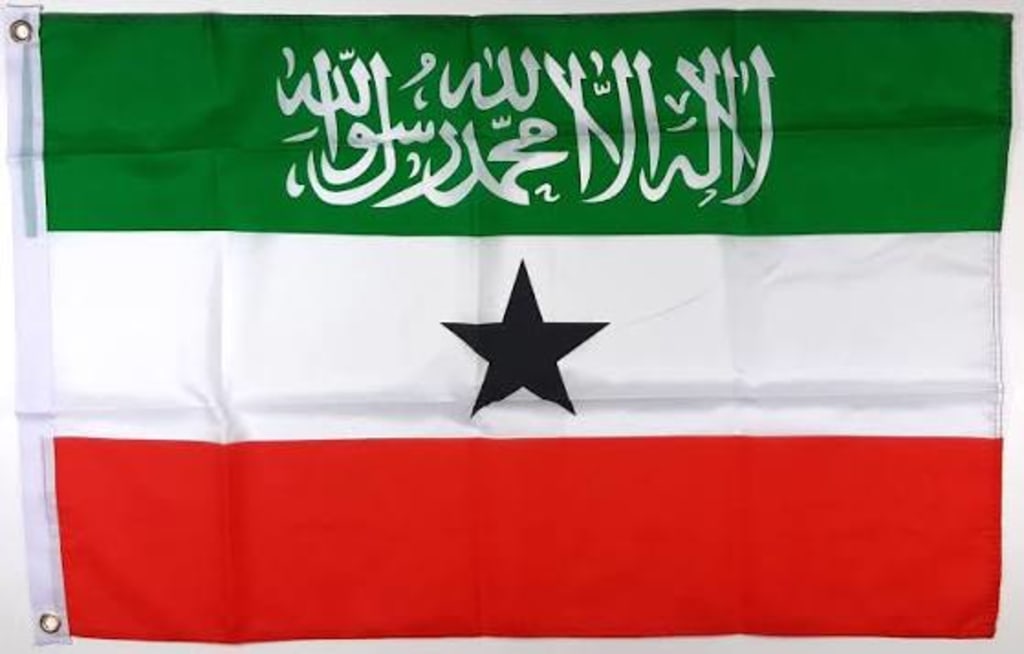
The European Union has reaffirmed its support for Somalia’s territorial integrity following Israel’s controversial decision to recognize Somaliland, a self-declared republic in the Horn of Africa. The move has sparked fresh diplomatic tensions in an already fragile region, drawing in global powers and raising questions about sovereignty, international law, and geopolitical interests in East Africa.
Understanding Somaliland’s Status
Somaliland declared independence from Somalia in 1991 after the collapse of the central Somali government. Since then, it has operated with its own government, security forces, and elections, maintaining relative stability compared to the rest of Somalia. Despite these internal achievements, Somaliland has never been formally recognized by the United Nations or most of the international community.
For decades, the global consensus has remained firm: Somaliland is legally part of Somalia. This position is grounded in the principle of preserving existing borders in post-colonial Africa, a doctrine aimed at preventing endless territorial disputes across the continent.
Israel’s Recognition and Its Implications
Israel’s recognition of Somaliland represents a significant departure from this long-standing international stance. While Israel has not publicly detailed all motivations behind the move, analysts suggest strategic interests may be at play. Somaliland’s location along the Gulf of Aden — a critical global shipping route — gives it geopolitical significance, particularly amid growing competition in the Red Sea region.
The decision immediately triggered backlash from Somalia’s federal government, which called it a violation of its sovereignty and international norms. Mogadishu warned that such actions risk destabilizing the region and emboldening separatist movements elsewhere in Africa.
The European Union’s Firm Response
In response, the European Union swiftly expressed its support for Somalia’s unity and territorial integrity. EU officials reiterated that they do not recognize Somaliland as an independent state and continue to view Somalia as a single, sovereign country.
The EU’s position reflects its broader commitment to international law and multilateral consensus. Brussels has long been involved in Somalia through humanitarian aid, development programs, and security assistance, including anti-piracy operations and support for stabilizing institutions.
By backing Somalia, the EU is signaling that unilateral recognitions outside international frameworks could undermine regional stability and complicate peace-building efforts.
Why the Horn of Africa Matters
The Horn of Africa is one of the world’s most strategically important yet volatile regions. It sits at the crossroads of Africa, the Middle East, and global maritime trade routes. Conflicts in Somalia, Sudan, Ethiopia, and Yemen have already strained regional security.
Any shift in the political status quo — especially one involving international recognition — risks triggering ripple effects. Critics argue that recognizing Somaliland without broad international agreement could encourage other separatist regions to seek similar recognition, potentially fueling fragmentation across Africa.
Somalia’s Diplomatic Push
Somalia has intensified diplomatic efforts following Israel’s announcement. Officials have engaged regional allies, the African Union, and global partners to reinforce their position. The Somali government maintains that dialogue, not unilateral recognition, is the only acceptable path to resolving internal political disputes.
Mogadishu has also emphasized that while Somaliland’s grievances deserve attention, solutions must come through constitutional processes and negotiations within Somalia’s federal framework.
Somaliland’s Perspective
From Somaliland’s viewpoint, recognition is long overdue. Leaders in Hargeisa argue that they have demonstrated effective governance, democratic practices, and security capabilities for more than three decades. They see international recognition as a reward for stability in a region often associated with conflict.
Supporters of Somaliland’s independence argue that continued non-recognition punishes success and reinforces instability elsewhere by ignoring functional governance models.
A Test for International Unity
The EU’s response highlights the tension between geopolitical interests and international norms. While individual countries may pursue strategic alliances, broader institutions like the EU prioritize consistency, legal frameworks, and regional stability.
This episode also exposes fractures in global diplomacy, where unilateral decisions can clash with collective positions. How other nations respond — whether by following Israel’s lead or aligning with the EU and African Union — will shape the future of Somaliland’s quest for recognition.
Conclusion
The EU’s backing of Somalia following Israel’s recognition of Somaliland underscores a deep divide in international approaches to sovereignty and self-determination. At stake is not just the future of Somaliland, but the stability of a region already under immense pressure.
As diplomatic tensions unfold, the situation serves as a reminder that recognition is not merely symbolic — it carries profound political, legal, and security consequences. For now, the EU has made its position clear: Somalia’s unity remains non-negotiable, and any lasting solution must be achieved through dialogue, not unilateral action.
About the Creator
Fiaz Ahmed Brohi
I am a passionate writer with a love for exploring and creating content on trending topics. Always curious, always sharing stories that engage and inspire.
Keep reading
More stories from Fiaz Ahmed Brohi and writers in The Swamp and other communities.
Rich and Voiceless: How Putin Has Kept Russia's Billionaires on Side in the War
In the midst of Russia’s ongoing war in Ukraine, an often-overlooked dynamic is quietly shaping the nation’s internal landscape: the Kremlin’s intricate management of its billionaires. While Western sanctions target Russian wealth and business elites face mounting international scrutiny, Vladimir Putin has skillfully ensured that the country’s wealthiest citizens remain largely loyal—or at least publicly silent. Russia’s billionaires, who collectively control a significant portion of the nation’s economic and industrial might, occupy a precarious position. They are powerful enough to influence markets and investment flows, yet vulnerable to state pressure. During the war, many have chosen—or been compelled—to align their public stance with Kremlin interests, revealing the complex interplay between wealth, influence, and survival in Putin’s Russia. Wealth Under Watchful Eyes In Russia, wealth does not automatically equate to freedom. Oligarchs who amassed fortunes in the 1990s and early 2000s operate in a political ecosystem tightly overseen by the state. Since the beginning of the Ukraine war, those with significant holdings have faced increased pressure to demonstrate loyalty. The Kremlin has used a combination of incentives and implicit threats, ensuring that major business figures continue to fund state-friendly initiatives and refrain from dissent. The rewards for compliance are substantial. Those who toe the line maintain access to lucrative state contracts, preferential loans, and the opportunity to expand their businesses domestically and abroad. Conversely, defiance can result in punitive measures, including freezing of assets, legal investigations, and, in extreme cases, exile or arrest. This system of reward and threat has cultivated a culture of silence among Russia’s elite. The Quiet Compliance of the Oligarchs High-profile Russian billionaires such as Roman Abramovich, Alisher Usmanov, and others have largely avoided public criticism of the war. Some have stepped back from international dealings to minimize scrutiny, while others have made token statements in support of state initiatives. The message is clear: in Putin’s Russia, wealth must be accompanied by silence—or at least a carefully curated public image that avoids confrontation with the state. For many, this compliance is not merely pragmatic—it is survival. The fate of former oligarchs who have fallen afoul of Kremlin interests, such as Mikhail Khodorkovsky, serves as a stark reminder of the risks involved. The billionaires’ loyalty is not always enthusiastic; often, it is a calculated choice to protect their businesses, families, and international positions. Impact on Russia’s Economy and the War Effort The alignment of the wealthy elite has had a profound impact on Russia’s war effort. Oligarch-controlled industries, including energy, manufacturing, and finance, continue to function under state oversight, providing critical resources and revenue streams for the Kremlin. This economic backbone allows Russia to sustain military operations despite heavy sanctions and international isolation. Moreover, the silence of billionaires helps reinforce the Kremlin’s narrative domestically. By maintaining a united front among the wealthy elite, Putin reduces visible dissent that could inspire broader societal opposition. The perception of elite support—real or staged—bolsters the image of stability, even amid economic hardship and growing international pressure. The International Response Western governments have attempted to disrupt this dynamic by targeting Russian oligarchs with sanctions, travel bans, and asset freezes. While some billionaires have been affected, many have found creative ways to circumvent restrictions through proxy investments, foreign partnerships, or relocation of assets. This cat-and-mouse game demonstrates the limits of external pressure in altering domestic power structures, particularly in a state where wealth is deeply intertwined with political compliance. Looking Ahead The relationship between Russia’s billionaires and the Kremlin is a delicate one, shaped by mutual dependence and fear. As the war continues, this dynamic is likely to persist. While some oligarchs may seek subtle ways to protect their wealth internationally, most will continue to prioritize survival over activism. Putin’s ability to maintain this control reflects the enduring power of the Russian state to align interests, co-opt influence, and enforce compliance through both incentive and intimidation. In essence, Russia’s billionaires remain rich, but voiceless. Their fortunes are protected, but only so long as they adhere to an unspoken social contract with the Kremlin. For observers abroad, this dynamic highlights a central truth about contemporary Russia: in Putin’s vision, loyalty outweighs wealth, and silence is often the most valuable currency.
By Fiaz Ahmed Brohi3 months ago in The Swamp
Parallel Protests
I haven't written for quite some time, but I have A LOT of thoughts about yesterday's protest rally against our government's involvement and complicity in America's war on Iran, on the harbourside of my home city Bristol, and I need to put them somewhere. My gorgeous girlfriend is always a loving and listening ear and sharing it all with her will always be a healthy and happy way of processing the mental and emotional weight, but getting it straight in my brain to share means writing it all down in straight lines, so, here we are and thanks for being here.
By Steph Cole11 days ago in The Swamp



Comments
There are no comments for this story
Be the first to respond and start the conversation.