
It’s Frightening”: How the Far Right Is Infiltrating Everyday Culture
From memes and music to fitness culture, extremist ideas are quietly becoming part of daily life

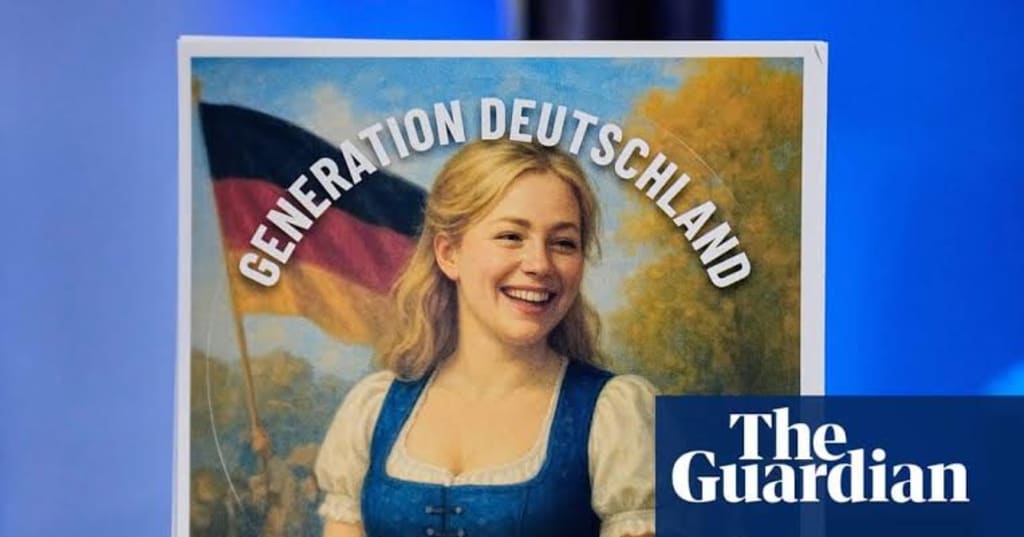
In recent years, the far right has moved beyond the margins of politics and into the routines of daily life. What once appeared as fringe ideology—confined to obscure forums or extremist rallies—now seeps quietly into music playlists, fitness communities, online humor, fashion trends, and even self-help language. This normalization is what makes the phenomenon so unsettling. The far right no longer always announces itself with flags and slogans; instead, it blends in, borrowing the aesthetics and anxieties of modern culture to gain influence without immediate detection.
One of the most powerful tools in this cultural infiltration is the internet, particularly social media platforms that reward provocation and emotional engagement. Algorithms do not promote ideology; they promote attention. Far-right content creators have learned to package their ideas in ways that trigger curiosity, outrage, or a sense of belonging. Short videos, memes, and ironic jokes often act as gateways, introducing themes of grievance, victimhood, or superiority without explicit political messaging. For many users—especially young people—this content feels less like propaganda and more like edgy entertainment.
Fitness and “self-improvement” spaces have become another unexpected entry point. Online communities centered on discipline, masculinity, productivity, or “high value” lifestyles sometimes slip into narratives that glorify dominance, rigid gender roles, and cultural hierarchy. While self-improvement itself is not extremist, far-right actors exploit these spaces by framing social inequality as a natural order and presenting empathy or diversity as weakness. The message is subtle but persistent: strength belongs to a chosen few, and society has been corrupted by outsiders.
Music and fashion also play a role in this quiet shift. Certain styles, symbols, and slogans—often stripped of their historical context—are reintroduced as rebellious or countercultural. What appears to be a harmless aesthetic choice can carry coded meanings recognized within extremist circles. This ambiguity provides plausible deniability while allowing adherents to identify one another. The result is a form of cultural camouflage, where ideology hides in plain sight.
Humor is perhaps the most effective vehicle of all. Irony and satire can disarm criticism, making extreme ideas seem harmless or “just a joke.” When challenged, creators often retreat behind humor as a shield, accusing critics of being overly sensitive or humorless. Over time, repeated exposure to such jokes can desensitize audiences, gradually shifting the boundaries of what feels acceptable to say or think. What starts as laughter can end as belief.
The far right’s infiltration of everyday culture is also fueled by genuine social and economic anxieties. Rising living costs, job insecurity, rapid cultural change, and political distrust create fertile ground for simplistic explanations and scapegoats. Extremist narratives thrive by offering clear villains and easy answers, even when reality is complex. By embedding these narratives in lifestyle content rather than overt political speeches, they become more emotionally resonant and harder to reject outright.
This trend is frightening not only because of what it promotes, but because of how quietly it works. Cultural influence shapes values long before laws or elections do. When extremist ideas become normalized through entertainment, fashion, or motivational talk, they can erode empathy and democratic norms without triggering immediate alarm. People may find themselves agreeing with fragments of an ideology before recognizing its full implications.
Yet awareness is the first step toward resistance. Media literacy—understanding how content is framed, shared, and monetized—can help individuals recognize manipulation. Asking simple questions such as “Who benefits from this message?” or “What assumptions are being smuggled in?” can disrupt the passive consumption that extremist movements rely on. Equally important is creating and supporting alternative cultural spaces that promote inclusion, critical thinking, and nuance without sacrificing creativity or appeal.
The infiltration of the far right into everyday culture is not inevitable, nor is it unstoppable. Culture is dynamic, shaped daily by millions of choices—what we watch, share, wear, and celebrate. Recognizing the subtle ways ideology travels allows society to push back, not with fear, but with clarity and confidence. In a time when ideas spread faster than ever, vigilance is not paranoia; it is a necessary form of cultural self-defense.
About the Creator
Fiaz Ahmed Brohi
I am a passionate writer with a love for exploring and creating content on trending topics. Always curious, always sharing stories that engage and inspire.
Keep reading
More stories from Fiaz Ahmed Brohi and writers in The Swamp and other communities.
Zelenskyy to Hold Talks with European Leaders Amid Fresh Strikes on Kyiv
As fresh strikes once again shake Kyiv, Ukrainian President Volodymyr Zelenskyy is preparing to hold high-level talks with European leaders, signaling that diplomacy remains as critical as battlefield resilience. The timing of these discussions underscores a familiar pattern in the Russia-Ukraine war: moments of intensified military pressure are often followed by renewed diplomatic engagement, as Ukraine seeks both immediate support and long-term security guarantees from its European partners. The latest attacks on Kyiv have reignited concerns about the vulnerability of civilian infrastructure and the sustainability of Ukraine’s air defense systems. Although Ukrainian forces have repeatedly demonstrated their ability to intercept incoming missiles and drones, the psychological and economic impact of repeated strikes on the capital remains profound. For ordinary Ukrainians, air raid sirens and power disruptions have become an exhausting routine, reinforcing the urgency behind Zelenskyy’s diplomatic push. Zelenskyy’s planned talks with European leaders are expected to focus on several core issues: military assistance, air defense reinforcement, financial aid, and the broader political roadmap for ending the war. Europe has been one of Ukraine’s most consistent backers since the conflict began, but shifting political dynamics within the European Union have introduced new challenges. Elections, budget constraints, and war fatigue among voters have made continued support a more complex proposition for some governments. Against this backdrop, the Ukrainian president’s message is likely to emphasize unity and shared security interests. Zelenskyy has frequently argued that Ukraine’s fight is not only about national survival but also about protecting the European security order. Fresh strikes on Kyiv serve as a stark reminder that the conflict’s consequences extend far beyond Ukraine’s borders, affecting energy security, migration patterns, and geopolitical stability across the continent. European leaders, meanwhile, face a delicate balancing act. On one hand, there is broad recognition that abandoning Ukraine would embolden aggression and undermine international norms. On the other, concerns persist about escalation, economic strain, and the long-term cost of sustained military support. Zelenskyy’s diplomacy aims to keep Ukraine’s plight at the forefront of European agendas, especially at a time when global attention is divided among multiple crises. The renewed attacks on Kyiv also highlight the evolving nature of the war. Rather than rapid territorial advances, the conflict has increasingly taken the form of attritional strikes designed to exhaust resources and morale. In this environment, air defense systems, intelligence sharing, and rapid repair of infrastructure have become just as important as traditional battlefield gains. Zelenskyy’s discussions with European partners are expected to address these realities, with a focus on practical measures that can make an immediate difference for civilians. Another key theme likely to emerge in the talks is Ukraine’s long-term integration with Europe. Beyond emergency aid, Kyiv continues to push for deeper political and economic ties with the European Union. For Zelenskyy, these talks are not only about surviving the present crisis but also about shaping Ukraine’s future as a firmly European state. Progress toward EU membership, reconstruction planning, and institutional reforms may all feature in the discussions, even as missiles fall. From a broader perspective, the timing of these talks sends a powerful symbolic message. By engaging European leaders amid active hostilities, Zelenskyy reinforces the idea that Ukraine refuses to be isolated or intimidated. The strategy blends resilience with outreach, projecting an image of a nation that can withstand pressure while actively shaping its diplomatic destiny. For the Vocal Media audience, this moment captures the essence of modern conflict: war and diplomacy unfolding simultaneously, each influencing the other in real time. The strikes on Kyiv are not just military events; they are catalysts for political decisions, alliances, and narratives that will shape Europe’s future. Zelenskyy’s engagement with European leaders reflects a recognition that wars today are fought as much in conference rooms as on the battlefield. Ultimately, the success of these talks will be measured not only by new aid packages or statements of solidarity, but by whether they translate into sustained, coordinated action. As confirmed by recent events, Ukraine’s struggle is far from over. Yet, by turning moments of crisis into opportunities for dialogue, Zelenskyy continues to demonstrate a leadership style defined by persistence, adaptability, and an unwavering appeal to shared values. In the shadow of fresh strikes on Kyiv, these talks stand as a reminder that even in the darkest moments, diplomacy remains a vital weapon—one that Ukraine is determined to wield with purpose and resolve.
By Fiaz Ahmed Brohi23 days ago in The Swamp
Taiwan Thanks Canada for Its Support Ahead of Prime Minister’s China Trip
In the often tense and closely watched world of global diplomacy, even a simple statement of thanks can carry enormous political weight. This week, Taiwan publicly expressed gratitude to Canada for its continued support, just days before the Canadian prime minister is set to travel to China. While the words may sound polite and routine, the timing tells a much deeper story—one about strategic alliances, democratic values, and the delicate balancing act Canada must perform on the world stage. This moment highlights not only Taiwan’s growing concern about its international standing, but also Canada’s evolving role in Indo-Pacific geopolitics. As Ottawa prepares to engage directly with Beijing, Taiwan’s message serves as both appreciation and a reminder of what is at stake. Why Taiwan’s Thank-You Matters Taiwan exists in a uniquely complicated diplomatic position. Claimed by China as part of its territory, the self-governed island is recognized by only a small number of countries as a sovereign state. Most nations, including Canada, officially adhere to a “One China” policy—acknowledging Beijing as the sole legal government of China—while maintaining unofficial but meaningful ties with Taipei. Against this backdrop, Canada’s vocal support for peace and stability in the Taiwan Strait has not gone unnoticed. Taiwanese officials have repeatedly welcomed Canada’s stance on democracy, human rights, and the rule of law—values that Taiwan sees as central to its identity. By thanking Canada ahead of the prime minister’s China visit, Taiwan is sending a subtle but powerful signal: its relationship with Ottawa matters, even if it exists outside formal diplomatic recognition. Canada’s Indo-Pacific Strategy and Taiwan Canada has increasingly framed its foreign policy around the Indo-Pacific, a region it views as economically vital and strategically sensitive. Taiwan plays an important role in this vision—not only as a democracy, but also as a global technology powerhouse, particularly in semiconductor manufacturing. In recent years, Canada has: Strengthened trade and investment ties with Taiwan Supported Taiwan’s meaningful participation in international organizations Joined allies in calling for peaceful resolution of cross-strait tensions While Canada stops short of recognizing Taiwan as an independent state, these actions signal a growing willingness to engage more openly with Taipei. For Taiwan, this kind of engagement provides international breathing room amid rising pressure from Beijing. The Timing: Ahead of a High-Stakes China Trip The upcoming visit of Canada’s prime minister to China adds another layer of complexity. Relations between Ottawa and Beijing have been strained in recent years over issues such as trade disputes, cybersecurity concerns, and the detention of Canadian citizens in China. China is extremely sensitive to any foreign interaction with Taiwan, often viewing it as interference in its internal affairs. Taiwan’s public show of appreciation, just before the trip, places Canada in a delicate position—caught between reaffirming its values and managing its relationship with the world’s second-largest economy. For Canada, the challenge will be to: Re-engage China diplomatically without appearing to retreat from democratic principles Maintain support for Taiwan without provoking unnecessary escalation Balance economic interests with national security and human rights concerns Taiwan’s Diplomatic Strategy: Gratitude as Soft Power Taiwan has become increasingly adept at using soft power diplomacy. Public statements of thanks, humanitarian aid, technology partnerships, and cultural exchanges are all part of Taipei’s effort to strengthen informal alliances. By thanking Canada openly, Taiwan accomplishes several goals at once: Reinforces its image as a responsible and appreciative international partner Encourages continued support from like-minded democracies Signals resilience in the face of diplomatic isolation This approach doesn’t confront China directly, but it subtly expands Taiwan’s international presence—something Beijing works hard to limit. What This Means for China-Canada Relations China will undoubtedly be watching closely. Any perceived strengthening of Canada-Taiwan ties could become a sensitive topic during diplomatic talks. However, Canada is not alone. Many Western democracies now walk the same line: recognizing China diplomatically while deepening unofficial engagement with Taiwan. For Beijing, this trend is concerning. For Ottawa, it is increasingly unavoidable. Canada’s message to China is likely to be one of engagement without endorsement—cooperation where possible, disagreement where necessary. Taiwan’s gratitude underscores that Canada’s actions resonate far beyond bilateral talks. A Broader Democratic Signal Beyond diplomacy, this episode reflects a broader global conversation about democracy and authoritarianism. Taiwan often positions itself as proof that Chinese culture and democracy are compatible—a narrative that challenges Beijing’s political model. By supporting Taiwan’s participation in global affairs, countries like Canada reinforce that message. Taiwan’s thank-you, therefore, is not just about bilateral relations—it’s about shared values and the kind of international order democracies want to uphold. Conclusion: Words That Carry Weight In international politics, timing is everything. Taiwan’s decision to thank Canada ahead of the prime minister’s China trip is no coincidence. It highlights the fragile but meaningful ties between Ottawa and Taipei, while reminding the world that Taiwan remains an active and engaged player despite diplomatic constraints. For Canada, the coming days will test its ability to balance pragmatism with principle. For Taiwan, the message is clear: every expression of support matters. And for global observers, this moment offers a glimpse into how modern diplomacy often works—not through treaties and embassies, but through carefully chosen words, strategic timing, and shared values expressed in public view.
By Muhammad Hassan6 days ago in The Swamp


Comments
There are no comments for this story
Be the first to respond and start the conversation.