Fiazahmedbrohi
Stories (513)
Filter by community
‘All Brakes Are Off’: Russia’s Attempt to Rein In Illicit Market for Leaked Data Backfires. AI-Generated.
In an ironic twist, Russia’s efforts to curb the flourishing black market for leaked and stolen data appear to have backfired, according to cybersecurity analysts and investigative reports. Over the past year, Moscow has rolled out legislation aimed at regulating and restricting access to sensitive data, hoping to stem the flow of leaked information and control its spread online. Instead, the measures have unintentionally accelerated the growth of underground digital marketplaces, making illicit data trade more opaque and harder to track.
By Fiazahmedbrohi 20 days ago in The Swamp
US Launches Strikes Against Islamic State in Nigeria: A Strategic Blow in the Fight Against Terrorism. AI-Generated.
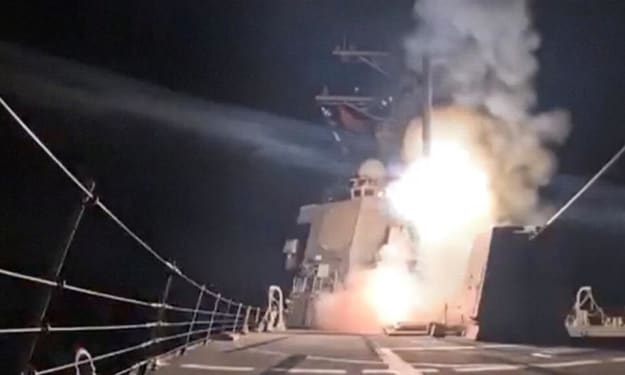
In a decisive move against the growing threat of the Islamic State in West Africa Province (ISWAP), the United States military has launched targeted strikes in Nigeria, signaling a renewed commitment to counterterrorism efforts in the region. These strikes, confirmed by US Africa Command (AFRICOM), are part of a broader strategy aimed at dismantling extremist networks that have plagued Nigeria and neighboring countries for years. According to official statements, the strikes targeted ISWAP camps and training facilities in the northeastern region of Nigeria, primarily in areas where the insurgents have entrenched themselves. While precise details regarding the number of casualties remain classified, intelligence sources suggest that the strikes successfully destroyed several critical militant infrastructure points, including weapons depots and command centers. The rise of ISWAP, a splinter group of Boko Haram, has posed significant security challenges in the Sahel and Lake Chad regions. Unlike its predecessor, ISWAP has demonstrated more sophisticated operational capabilities, including the use of improvised explosive devices (IEDs), coordinated attacks on military convoys, and the recruitment of both local and foreign fighters. The group’s aggressive expansion has destabilized communities, leading to mass displacement, humanitarian crises, and heightened regional insecurity. The US has maintained a long-standing role in assisting Nigeria’s counterterrorism initiatives, primarily through intelligence sharing, training, and advisory support. However, the recent strikes mark a more assertive approach, reflecting Washington’s determination to curtail the group’s operational freedom. Analysts believe that this strategy is also designed to support Nigerian forces, who have faced considerable challenges in confronting ISWAP due to the group’s mobility and deep knowledge of the local terrain. Experts highlight that while US intervention provides significant tactical advantages, it also underscores the need for a comprehensive strategy that combines military action with socio-economic and political measures. “Military strikes alone cannot eradicate extremist ideologies. To achieve lasting peace, we must address the root causes of radicalization, including poverty, lack of education, and local grievances,” says Dr. Halima Yusuf, a West African security analyst. The Nigerian government welcomed the strikes, framing them as a crucial step in safeguarding national security. President Bola Tinubu’s administration emphasized the importance of international cooperation in combating terrorism, stating that the partnership with the US and other allies would continue to focus on neutralizing threats while supporting affected communities. However, the operation also raises questions about sovereignty and the potential for civilian casualties. Human rights organizations have called for transparency in military operations to ensure compliance with international law. Historical precedents in the region highlight the risks of collateral damage, which can inadvertently fuel further radicalization if local populations perceive military actions as indiscriminate or unjust. In addition to tactical success, the strikes serve a strategic purpose: sending a strong message to extremist networks that the international community is vigilant and capable of striking where threats emerge. The US military has consistently emphasized precision and intelligence-led operations to minimize risks while maximizing impact. Such operations are often coordinated with local forces, ensuring that actionable intelligence informs every decision. The broader context of these strikes is a reminder of the interconnected nature of global security. ISWAP’s operations extend beyond Nigeria’s borders, affecting Cameroon, Chad, and Niger. Cross-border attacks, kidnappings, and smuggling networks illustrate the transnational threat posed by such groups. Consequently, US strikes are part of a regional effort to stabilize the Lake Chad Basin and reduce the operational reach of militant groups. While it is too early to gauge the long-term impact of the strikes, initial reports indicate disruptions in ISWAP’s command structure and supply chains. Analysts predict that the group may attempt retaliatory actions, making ongoing vigilance crucial. Regional forces, supported by international partners, must remain alert to prevent a resurgence or strategic repositioning of militants. In conclusion, the US strikes against ISWAP in Nigeria represent a significant tactical and symbolic step in the fight against terrorism. By targeting critical infrastructure and command centers, these operations aim to weaken militant capabilities while reinforcing international solidarity against extremist threats. However, military action must be complemented by social, economic, and political strategies to ensure lasting peace and stability in the region. As Nigeria and its partners navigate this complex security landscape, the global community watches closely, hoping that coordinated efforts can finally bring relief to communities long affected by violence and instability.
By Fiazahmedbrohi 20 days ago in The Swamp
Toni Morrison’s Powerful Question: What Does Real Love Truly Mean?. AI-Generated.
Toni Morrison, one of the most influential literary voices of the modern era, was never afraid to ask uncomfortable questions. Her writing consistently challenged society’s assumptions about race, identity, power, and relationships. One of her most thought-provoking reflections on love comes from this quote:
By Fiazahmedbrohi 20 days ago in Geeks
“‘India Cured Me’: NRI Returns After 10 Years, Criticises US Healthcare System”. AI-Generated.
After spending a decade in the United States, a Non-Resident Indian (NRI) has returned home with a powerful message: “India cured me.” His statement, which has gone viral on social media, criticises the American healthcare system while praising India’s comparatively affordable, accessible, and humane medical care. The story has reignited a global conversation about healthcare equity, cost, and patient dignity.
By Fiazahmedbrohi 20 days ago in The Swamp
No Negotiation, No Truce” With RSF, Says Senior Sudan Official. AI-Generated.
Sudan’s devastating civil conflict shows no signs of easing after a senior government official declared there would be “no negotiation and no truce” with the Rapid Support Forces (RSF). The statement underscores the widening rift between Sudan’s rival power centers and suggests that diplomatic efforts to end one of the world’s worst humanitarian crises may face even greater obstacles ahead. Since fighting erupted between the Sudanese Armed Forces (SAF) and the RSF, millions of civilians have been caught in the crossfire. The latest remarks indicate that the government is doubling down on a military-first strategy, even as international mediators warn of catastrophic consequences if the war continues unchecked. Why the Government Is Rejecting Talks According to senior officials, the refusal to negotiate stems from accusations that the RSF has committed widespread atrocities, including attacks on civilians, mass displacement, and the destruction of vital infrastructure. Government leaders argue that engaging in talks would legitimize an armed group they accuse of undermining Sudan’s sovereignty and stability. From the state’s perspective, negotiations without accountability could set a dangerous precedent. Officials insist that peace can only come after the RSF is militarily defeated or dismantled, not through compromise. This hardline stance reflects growing frustration within the military leadership, which believes previous ceasefires were repeatedly violated, allowing the RSF to regroup and expand its control in key regions. The RSF and the Power Struggle The RSF, originally formed from militias operating in Darfur, has evolved into a powerful paramilitary force with significant economic and territorial influence. Its rivalry with the SAF represents more than a military clash—it is a struggle over Sudan’s political future, control of resources, and the structure of the state. Analysts say the conflict is rooted in years of unresolved tensions following the ouster of longtime ruler Omar al-Bashir. Competing visions for governance, security sector reform, and civilian rule have repeatedly derailed transitions, culminating in the current war. Humanitarian Costs Continue to Mount While political leaders trade ultimatums, civilians pay the highest price. The United Nations estimates that millions have been displaced, with many fleeing to neighboring countries under dire conditions. Food insecurity, disease outbreaks, and the collapse of healthcare systems have pushed Sudan toward famine-like conditions in several regions. Aid agencies warn that continued fighting will make humanitarian access even more difficult. Roads, airports, and supply routes have been damaged or blocked, leaving vulnerable populations without assistance. The government’s rejection of negotiations raises fears that the conflict could intensify further, worsening an already catastrophic situation. International Reactions and Diplomatic Pressure Sudan’s stance has drawn mixed reactions from the international community. Some regional actors quietly sympathize with the government’s position, citing concerns over the RSF’s conduct. Others argue that refusing dialogue altogether risks prolonging the war indefinitely. The African Union, United Nations, and neighboring states have repeatedly called for ceasefires and inclusive talks. However, diplomatic efforts have struggled to gain traction, partly due to mutual distrust and fragmented mediation initiatives. Observers note that without sustained international pressure and unified mediation, the conflict may harden into a long-term war with shifting frontlines rather than a clear resolution. Risks of a Prolonged Military Approach History offers sobering lessons about conflicts resolved solely through force. Prolonged wars often weaken state institutions, fuel extremism, and create power vacuums that are difficult to fill. In Sudan’s case, a drawn-out conflict could further fracture the country along ethnic, regional, and political lines. Economically, the war has already devastated Sudan’s fragile economy. Currency depreciation, unemployment, and disrupted trade are pushing millions deeper into poverty. A military-only strategy may secure short-term gains but risks long-term instability. Voices Calling for a Political Solution Despite the government’s position, many Sudanese civil society groups continue to advocate for a negotiated political settlement. Activists argue that neither side can achieve a decisive victory without destroying what remains of the country. They emphasize that sustainable peace must include civilian leadership, accountability for abuses, and reforms to prevent future militarization of politics. These voices, however, remain largely sidelined as military leaders dominate decision-making. What Comes Next for Sudan? The declaration of “no negotiation, no truce” marks a critical moment in Sudan’s conflict. It signals that the government is prepared for a prolonged confrontation, even as humanitarian conditions worsen. Whether this strategy leads to stability or deeper chaos remains uncertain. Much will depend on battlefield developments, international pressure, and whether internal or external factors eventually force a shift toward dialogue. For now, Sudan stands at a crossroads—one where the path of uncompromising warfare risks overshadowing opportunities for peace, reconciliation, and recovery.
By Fiazahmedbrohi 20 days ago in The Swamp
Saudi Arabia Introduces New White Land Rules, Imposes Fines Up to 100% on Undeveloped Plots. AI-Generated.
Saudi Arabia has unveiled a major overhaul of its White Land Tax regulations, introducing strict new rules that could see owners fined up to 100% of a land’s value if plots remain undeveloped. The move signals a decisive push by the Kingdom to tackle land hoarding, control soaring real estate prices, and accelerate urban development as part of Vision 2030.
By Fiazahmedbrohi 20 days ago in The Swamp
Iran Seizes Tanker in the Middle East Gulf, Escalating Regional Tensions. AI-Generated.
Iran’s seizure of a commercial tanker in the Middle East Gulf has once again brought the fragile security of one of the world’s most critical waterways into sharp focus. The incident, which reportedly involved a foreign-linked vessel transiting near Iranian-controlled waters, has sparked international concern, reignited diplomatic tensions, and raised fears over the stability of global energy supplies. The Middle East Gulf is a lifeline for global trade, especially oil and gas. Any disruption in this region reverberates far beyond local politics, affecting fuel prices, shipping insurance costs, and geopolitical alliances. What Happened in the Gulf? According to regional reports, Iranian naval forces intercepted and seized a tanker while it was navigating the Gulf. Iranian authorities claimed the action was taken in response to alleged legal violations, including maritime infractions and failure to comply with regional regulations. However, details surrounding the vessel’s ownership, cargo, and destination remain contested. International observers note that tanker seizures in the Gulf often occur amid broader political disputes, rather than purely legal disagreements. The lack of transparency surrounding such incidents tends to fuel speculation and heighten mistrust between Iran and Western-aligned nations. Why the Middle East Gulf Matters The Middle East Gulf handles nearly a fifth of the world’s oil supply. Tankers passing through this narrow maritime corridor are essential to global energy markets. Even a single seizure can disrupt shipping schedules, raise freight costs, and cause oil prices to spike. Because of its strategic importance, the Gulf has long been a flashpoint for military encounters, diplomatic standoffs, and economic pressure tactics. Iran’s actions in these waters are therefore closely monitored by regional rivals and global powers alike. A Pattern of Maritime Pressure This latest seizure is not an isolated incident. Over the past several years, Iran has repeatedly targeted commercial vessels during periods of heightened political tension, particularly in response to sanctions or military pressure. Analysts believe tanker seizures serve multiple purposes for Tehran. They project strength domestically, signal defiance to adversaries, and create leverage in diplomatic negotiations. By controlling access to vital shipping lanes, Iran reminds the world of its ability to disrupt global trade if its interests are ignored. At the same time, such actions risk escalating conflicts that could spiral beyond control. International Reactions and Diplomatic Fallout The seizure has drawn swift reactions from several governments, with calls for the immediate release of the tanker and assurances of safe navigation in international waters. Maritime security organizations have urged shipping companies to exercise caution and review routes passing near Iranian-controlled zones. Western nations argue that such actions undermine international maritime law and threaten freedom of navigation. Iran, however, maintains that it is acting within its rights and defending its sovereignty. This clash of narratives highlights a broader struggle over who controls the rules in contested waters—and whose interpretation of international law prevails. Economic and Energy Market Impact Even before official responses are finalized, the economic consequences are already being felt. Shipping insurers tend to raise premiums following such incidents, increasing costs for traders and consumers alike. Energy markets react quickly to perceived risks in the Gulf. A prolonged standoff or further seizures could drive oil prices upward, adding pressure to already strained global economies. For countries dependent on Gulf energy exports, stability in these waters is not just a regional issue—it is a global necessity. Risks of Escalation Security experts warn that repeated maritime confrontations increase the risk of miscalculation. A single incident involving armed escorts, miscommunication, or aggressive maneuvers could escalate into a broader military confrontation. Naval forces from multiple countries operate in and around the Gulf, making coordination complex and mistakes potentially disastrous. While all sides publicly emphasize restraint, the margin for error remains dangerously thin. What Happens Next? The future of the seized tanker will likely depend on behind-the-scenes diplomacy. Past incidents have often been resolved through negotiations, prisoner exchanges, or indirect agreements facilitated by third parties. However, each new seizure chips away at trust and makes peaceful resolution more difficult. Long-term stability in the Gulf will require clearer maritime rules, consistent enforcement of international law, and renewed diplomatic engagement. Conclusion Iran’s seizure of a tanker in the Middle East Gulf is more than a maritime incident—it is a reminder of how vulnerable global trade and energy supplies remain to geopolitical conflict. As tensions rise, the international community faces a critical challenge: ensuring freedom of navigation while preventing escalation in one of the world’s most volatile regions. How this incident is resolved may shape not only Gulf security, but the future balance of power in international waters.
By Fiazahmedbrohi 20 days ago in The Swamp
Malaysia’s Ex-PM Najib Found Guilty of Money Laundering and Abuse of Power. AI-Generated.
The conviction of Malaysia’s former prime minister Najib Razak on charges of money laundering and abuse of power marks one of the most significant political moments in the country’s modern history. Once one of Southeast Asia’s most powerful leaders, Najib’s fall from grace reflects a dramatic shift in public accountability and the growing strength of judicial independence in Malaysia.
By Fiazahmedbrohi 20 days ago in The Swamp
Polish Jets Intercept Russian Reconnaissance Plane Near National Airspace. AI-Generated.
Tensions between NATO and Russia continue to simmer as Polish fighter jets were scrambled to intercept a Russian reconnaissance aircraft spotted flying dangerously close to Poland’s national airspace. The incident, while brief and non-violent, underscores the fragile security situation in Eastern Europe and highlights growing concerns over aerial surveillance, military signaling, and regional stability. According to Polish defense officials, the Russian plane was detected by radar systems while operating near Poland’s borders. Although it did not violate Polish airspace, its proximity triggered standard NATO response protocols. Polish jets quickly took off to visually identify and escort the aircraft away from the sensitive zone, ensuring that national and allied airspace remained secure. A Routine Intercept With Serious Implications Military intercepts such as this are often described as “routine,” but experts stress that they are anything but trivial. Reconnaissance flights are designed to collect intelligence on radar systems, air defenses, and military movements. When conducted near NATO borders, they are widely viewed as deliberate tests of response times and readiness. Poland, a key NATO member on the alliance’s eastern flank, has been especially vigilant since the outbreak of the Russia-Ukraine war. The country hosts NATO troops, military infrastructure, and logistical hubs supporting Ukraine. As a result, any Russian military activity near Polish territory is treated with heightened caution. Defense analysts note that Russia has significantly increased reconnaissance flights near NATO airspace over the past two years. These operations, while technically legal in international airspace, are widely perceived as attempts to intimidate neighboring countries and signal military strength. NATO’s Eastern Flank Under Pressure Poland’s response reflects NATO’s broader strategy of deterrence without escalation. By intercepting and escorting the aircraft rather than engaging aggressively, Polish forces demonstrated readiness while avoiding direct confrontation. NATO officials have repeatedly emphasized that the alliance will defend every inch of its territory. Air policing missions, particularly in Eastern Europe and the Baltic region, have been expanded to counter increased Russian military activity. Countries like Poland, Romania, and the Baltic states now conduct frequent air patrols to monitor and respond to potential threats. This latest intercept reinforces the message that NATO’s eastern members are not passive observers. Instead, they are actively monitoring their skies and coordinating closely with allies to ensure rapid response capabilities. Russia’s Perspective and Strategic Messaging From Moscow’s perspective, reconnaissance flights near NATO borders are framed as defensive and routine. Russian officials often accuse NATO of encroaching on its sphere of influence, arguing that alliance expansion has increased regional instability. However, many Western analysts argue that such flights serve a dual purpose: gathering intelligence and sending political messages. Flying close to NATO airspace allows Russia to demonstrate its continued military reach while probing alliance defenses without crossing red lines that could trigger a direct response. The timing of these incidents often coincides with heightened diplomatic tensions, military exercises, or significant developments in the Ukraine conflict, suggesting they are carefully calculated rather than coincidental. Risks of Miscalculation While intercepts are conducted according to established protocols, they are not without risk. Close encounters between military aircraft can lead to miscommunication or accidents, especially if one side engages in aggressive maneuvers. History offers sobering reminders of how quickly such situations can escalate. A minor error, technical failure, or misjudgment could turn a routine intercept into an international crisis. This is why NATO and Russia maintain military communication channels, even amid strained relations, to reduce the risk of unintended escalation. Public and Political Reactions in Poland In Poland, the incident has sparked renewed discussion about national security and defense spending. Public opinion strongly supports NATO membership, and many Poles view a robust military posture as essential given the country’s geographic proximity to Russia and Belarus. Polish leaders have consistently called for stronger NATO presence in the region and continued investment in air defense systems. Intercepts like this reinforce their argument that vigilance is not optional but necessary in today’s security environment. Conclusion The interception of a Russian reconnaissance plane by Polish jets may not have resulted in a dramatic confrontation, but it speaks volumes about the current state of European security. It highlights the fragile balance between deterrence and escalation, routine military operations and strategic signaling. As long as tensions between Russia and NATO remain unresolved, such incidents are likely to continue. For Poland and its allies, the message is clear: readiness, coordination, and calm professionalism are the keys to safeguarding peace in an increasingly uncertain airspace.
By Fiazahmedbrohi 20 days ago in The Swamp
Pakistan Emerges as Main Recipient of Chinese Combat Aircraft. AI-Generated.
Pakistan’s emergence as the primary recipient of Chinese combat aircraft marks a significant shift in regional military dynamics and underscores the deepening strategic partnership between Islamabad and Beijing. As global power alignments evolve, China’s growing role as Pakistan’s key defense supplier is reshaping air power capabilities in South Asia and sending strong signals to regional rivals and international observers alike. Over the past decade, Pakistan has steadily reduced its dependence on Western military hardware, particularly from the United States, turning instead toward China for advanced, cost-effective, and politically reliable defense systems. The result is a long-term collaboration that now places Pakistan at the forefront of Chinese combat aircraft exports. The Backbone of Pakistan’s Air Modernization At the heart of this partnership lies the JF-17 Thunder program, a jointly developed multirole fighter jet that has become the backbone of the Pakistan Air Force (PAF). Designed to replace aging aircraft fleets, the JF-17 represents more than just a fighter jet—it symbolizes Pakistan’s ambition for technological self-reliance and operational flexibility. Recent upgrades, including advanced avionics, improved radar systems, and enhanced weapons compatibility, have made newer variants of the aircraft increasingly competitive. These developments allow Pakistan to maintain credible air defense capabilities while keeping costs significantly lower than Western alternatives. Beyond the JF-17, Pakistan’s acquisition of more advanced Chinese combat aircraft reflects growing trust between the two nations. Analysts note that Pakistan has effectively become a testing ground and showcase partner for Chinese aerospace technology. Why China Chooses Pakistan China’s decision to prioritize Pakistan as a recipient of its combat aircraft is rooted in strategic, political, and economic considerations. Pakistan is China’s closest strategic partner in South Asia, sharing common security concerns and a long-standing alliance. By supplying combat aircraft to Pakistan, China strengthens a key regional ally while counterbalancing rival military partnerships in the region. At the same time, these exports allow China to demonstrate the reliability and effectiveness of its defense technology on a global stage, boosting its credibility as a major arms exporter. For Beijing, Pakistan offers a stable and cooperative customer willing to integrate Chinese systems fully into its defense doctrine—something many other countries hesitate to do. Implications for Regional Security Pakistan’s growing fleet of Chinese combat aircraft has important implications for South Asia’s security landscape. The region has long been marked by strategic rivalry, particularly between Pakistan and India. Any significant shift in air power capabilities inevitably draws attention from neighboring states. Defense experts argue that Pakistan’s modernization efforts are aimed primarily at maintaining deterrence rather than achieving superiority. Still, the introduction of newer aircraft with enhanced strike and surveillance capabilities alters military calculations and increases the importance of air defense preparedness across the region. This evolving balance also raises concerns about an arms race, with countries seeking to counter each other’s technological advances rather than pursuing diplomatic de-escalation. A Move Away From Western Dependence Pakistan’s reliance on Chinese combat aircraft reflects a broader geopolitical trend: the gradual decline of Western influence over its defense sector. In the past, political conditions, sanctions, and export restrictions often complicated Pakistan’s access to Western military equipment. China, by contrast, offers long-term supply assurance, fewer political strings, and technology transfer opportunities. This reliability has made Beijing an attractive partner for Islamabad, particularly as global politics become more polarized. For Pakistan, this shift ensures continuity in defense planning and reduces vulnerability to sudden policy changes by foreign suppliers. Economic and Industrial Benefits The partnership is not limited to aircraft deliveries alone. Joint production, maintenance facilities, and training programs have helped boost Pakistan’s domestic defense industry. Local assembly and manufacturing create jobs, enhance technical expertise, and reduce long-term maintenance costs. These industrial benefits align with Pakistan’s broader goal of developing indigenous defense capabilities while remaining integrated with a trusted international partner. Global Reactions and Future Outlook International reactions to Pakistan’s growing fleet of Chinese combat aircraft have been mixed. Some observers see it as a natural outcome of shifting alliances, while others view it as a challenge to existing power structures. Looking ahead, analysts expect the China-Pakistan defense partnership to deepen further, potentially expanding into unmanned systems, electronic warfare, and space-based surveillance technologies. Conclusion Pakistan’s emergence as the main recipient of Chinese combat aircraft represents more than a defense procurement trend—it reflects a strategic realignment with long-term regional consequences. As China expands its role as a global arms supplier and Pakistan modernizes its air force, the partnership is reshaping military, political, and industrial landscapes across South Asia. In an era of evolving global power dynamics, this alliance highlights how defense cooperation can redefine regional influence and strategic stability.
By Fiazahmedbrohi 20 days ago in The Swamp
Tasmania JackJumpers: Rising Stars of Australian Basketball. AI-Generated.
The Tasmania JackJumpers, a professional basketball team hailing from the island state of Tasmania, have quickly become one of the most talked-about franchises in Australia’s National Basketball League (NBL). Founded in 2020 and making their debut in the 2021–22 season, the JackJumpers have captured the imagination of basketball fans, not just in Tasmania but across the nation. With their unique team spirit, community engagement, and on-court performance, they are redefining basketball culture in a region traditionally overshadowed by mainland teams.
By Fiazahmedbrohi 20 days ago in Unbalanced
Ukraine Strikes Russian Oil Refinery Amid Escalating Tensions. AI-Generated.
In a significant escalation of the ongoing conflict, Ukraine has targeted a major Russian oil refinery, marking one of the most audacious strikes in recent months. According to Ukrainian officials, the operation successfully disrupted fuel production, signaling Kyiv’s determination to weaken Russia’s war machinery while drawing global attention to the continuing hostilities. The attack underscores the strategic importance of energy infrastructure in modern warfare and the growing precision of Ukrainian military operations. The Strategic Significance of Oil Refineries Oil refineries are more than industrial facilities; they are critical components of a nation’s economic and military capabilities. By producing fuel for vehicles, aircraft, and military machinery, refineries sustain operational capabilities across all fronts. Disrupting them can therefore directly impact a country’s ability to wage war effectively. The refinery targeted by Ukraine is one of Russia’s key facilities, supplying fuel not only to civilian markets but also to military units engaged in various theaters. Experts highlight that striking energy infrastructure is a tactic aimed at undermining both the logistical and psychological capacities of the adversary. By hitting refineries, Ukraine not only limits fuel availability but also sends a message about its capability to reach deeply into Russian territory, challenging Moscow’s assumptions of security behind its borders. Details of the Strike Although precise details remain limited due to ongoing security concerns, Ukrainian officials confirmed that the strike caused extensive damage to the refinery’s storage units and production lines. Satellite imagery and independent analysts suggest that several large fuel tanks were destroyed, likely reducing the refinery’s output by a significant percentage. Russian authorities have confirmed the incident but downplayed its impact, stating that alternative facilities will compensate for any production loss. However, analysts argue that even a temporary disruption at such a scale can have ripple effects across supply chains, affecting fuel prices domestically and internationally. Implications for the Conflict The attack on the refinery highlights the evolving nature of the Russia-Ukraine conflict. Unlike traditional battlefield confrontations, Ukraine has increasingly relied on precision strikes against strategic targets, aiming to weaken Russia’s capacity to sustain prolonged military operations. This approach reflects both innovation in Ukrainian military strategy and the growing importance of intelligence and technological assets in modern warfare. For Russia, the attack poses both operational and political challenges. Operationally, fuel shortages can hinder troop mobility and equipment maintenance. Politically, repeated strikes on high-profile infrastructure challenge Moscow’s narrative of control and resilience, potentially affecting public perception and international standing. Global Economic and Energy Impacts Beyond military implications, the strike could influence global energy markets. Russia is a major oil exporter, and disruptions to its refining capacity may lead to fluctuations in fuel supply, affecting prices in Europe and beyond. Energy analysts are closely monitoring the situation, with many predicting short-term volatility in oil and gas markets, particularly if further strikes target other refineries or transportation networks. The incident also emphasizes the interconnectedness of global energy systems. Countries dependent on Russian fuel are now faced with uncertainties regarding supply reliability, prompting discussions about diversifying energy sources and accelerating the transition to alternative fuels. International Reactions The international community has reacted cautiously. Western nations have largely refrained from direct commentary on Ukraine’s tactical operations but continue to express support for Kyiv’s sovereignty. Meanwhile, some global observers have called for restraint, warning that escalating strikes on infrastructure could inadvertently increase civilian hardships and fuel broader economic instability. Analysts argue that while military operations targeting strategic assets are legally distinct from attacks on civilian populations, the distinction becomes blurred when energy and transportation systems also support civilian life. This makes strategic communication and careful targeting essential for Ukraine as it navigates both military objectives and international scrutiny. Looking Ahead The strike on Russia’s oil refinery marks a pivotal moment in the ongoing conflict. It demonstrates Ukraine’s increasing operational reach, the vulnerability of critical infrastructure in wartime, and the complex interplay between military strategy and global economics. As both sides assess and respond, analysts predict that energy infrastructure will remain a key battleground, with further strikes and countermeasures likely in the coming months. For Kyiv, the operation serves as a testament to resilience and strategic ingenuity, reinforcing the message that Ukraine remains capable of challenging Russia not just on the frontlines, but in strategic and symbolic arenas. For Moscow, it underscores the need to fortify critical infrastructure and reassess assumptions about security within its borders. Conclusion The Ukraine strike on a Russian oil refinery is more than a military operation; it is a strategic statement with economic, political, and symbolic dimensions. As the conflict continues, the targeting of energy infrastructure highlights the evolving nature of warfare, where tactical ingenuity can shift power dynamics far beyond conventional battlefields. The international community, meanwhile, watches closely, aware that developments in Ukraine have implications that stretch well beyond the region.
By Fiazahmedbrohi 20 days ago in The Swamp