Fiazahmedbrohi
Stories (451)
Filter by community
Trump Is Briefed on Options for Striking Iran as Protests Continue. AI-Generated.
As anti-government protests erupt across Iran and tensions escalate between Tehran and Washington, U.S. President Donald Trump has been officially briefed on a range of potential military options, including the possibility of striking Iranian targets if the situation worsens. The discussions reflect a dramatic moment in international relations, as unrest in Iran merges with long-standing disputes over its political system, nuclear ambitions and regional influence. �
By Fiazahmedbrohi about 4 hours ago in The Swamp
With Its 337 Meters and 100,000 Tons, the World’s Largest Aircraft Carrier Rules the Oceans. AI-Generated.
Stretching an astonishing 337 meters in length and weighing close to 100,000 tons, the world’s largest aircraft carrier is not just a ship—it is a floating symbol of modern military power, engineering excellence, and global influence. Often described as a mobile airbase at sea, this colossal vessel dominates the oceans, reshaping how naval warfare, diplomacy, and power projection are conducted in the 21st century.
By Fiazahmedbrohi about 4 hours ago in The Swamp
By Dumping Tonnes of Sand Into the Ocean for 12 Years, China Has Created Brand-New Islands From Scratch. AI-Generated.
Over the past twelve years, China has quietly carried out one of the most ambitious and controversial engineering projects in modern history: the creation of entirely new islands by dumping millions of tonnes of sand into the ocean. What began as small-scale land reclamation has evolved into a sweeping transformation of the South China Sea, reshaping geography, geopolitics, and international relations. How Artificial Islands Are Created The process behind these artificial islands is deceptively simple but technically complex. Specialized dredging ships extract sand from the seabed and pump it onto shallow reefs and submerged rocks. Over time, layer upon layer of sand is deposited, gradually rising above sea level. Once land emerges, it is reinforced with concrete, rock barriers, and infrastructure to prevent erosion. China has used this method extensively, particularly on disputed reefs and shoals. What were once barely visible features at low tide have become full-fledged islands, complete with runways, ports, radar systems, and buildings. Why the South China Sea Matters The South China Sea is one of the world’s most strategically important waterways. An estimated one-third of global maritime trade passes through it each year, carrying trillions of dollars’ worth of goods. The region is also believed to hold vast reserves of oil, natural gas, and rich fishing grounds. Multiple countries — including Vietnam, the Philippines, Malaysia, Brunei, and Taiwan — claim parts of the sea. China, however, asserts sweeping sovereignty over most of it, marked by its controversial “nine-dash line.” The creation of artificial islands has strengthened China’s physical presence and reinforced its territorial claims. From Sandbars to Strategic Strongholds What makes China’s island-building campaign particularly significant is how quickly reclaimed land has been militarized. Satellite imagery and independent analyses show airstrips long enough to handle military aircraft, deep-water harbors capable of hosting naval vessels, and advanced surveillance systems. These installations allow China to project power far beyond its mainland coast, extending its reach across Southeast Asia. Critics argue that these islands act as unsinkable aircraft carriers, altering the balance of power in the region. Environmental Consequences Beneath the Surface While the geopolitical implications are widely debated, the environmental cost is equally alarming. The dredging process destroys coral reefs, which are among the most biodiverse ecosystems on the planet. Sediment clouds generated during sand dumping smother marine life, disrupt fish breeding grounds, and permanently alter underwater landscapes. Marine scientists warn that damage to coral reefs can take decades — if it recovers at all. For coastal communities that rely on fishing, these changes threaten livelihoods and food security. International Law and Global Pushback China’s actions have drawn sharp criticism from the international community. In 2016, an international tribunal ruled that China’s expansive claims in the South China Sea had no legal basis under international law. The ruling also stated that artificial islands do not generate territorial waters or exclusive economic zones. China rejected the decision, calling it invalid and continuing its construction activities. Meanwhile, other nations have responded with diplomatic protests and increased naval patrols, including freedom-of-navigation operations by the United States and its allies. A New Kind of Territorial Expansion Historically, empires expanded by conquering land. China’s island-building represents a new model: creating territory where none existed before. This approach blurs the line between engineering achievement and strategic maneuvering, raising difficult questions about how international law should adapt to technological capabilities. If artificial islands become widely accepted as legitimate territory, it could set a precedent for other nations to reshape oceans for strategic advantage. The Broader Global Implications Beyond Asia, China’s actions have sparked global debate about maritime governance, environmental responsibility, and the future of territorial disputes. Smaller nations fear being sidelined, while major powers worry about the erosion of established international norms. At the same time, the sheer scale of the project highlights China’s engineering capacity and long-term planning. Turning submerged reefs into permanent landmass within just over a decade is a feat few countries could replicate. Conclusion: Engineering the Future of Power By dumping tonnes of sand into the ocean for over a decade, China has not merely created islands — it has reshaped the strategic landscape of an entire region. These artificial islands stand as symbols of ambition, controversy, and a shifting world order. As technology continues to expand what is physically possible, the challenge for the global community will be ensuring that innovation does not come at the cost of environmental destruction, regional stability, and international law. The islands may be made of sand, but their impact is anything but fragile.
By Fiazahmedbrohi about 4 hours ago in The Swamp
Chilly Robins in the Garden? Put This Out Today and They’ll Start Coming Back Every Single Morning. AI-Generated.
As winter tightens its grip and frost coats the edges of your garden, you might notice that the familiar chirps of robins have become far less frequent. These charming, bright-breasted birds, often symbols of the festive season, are not disappearing; they are simply seeking food and warmth elsewhere. Yet, with a few thoughtful steps, you can turn your garden into a welcoming haven that keeps these delightful visitors returning day after day.
By Fiazahmedbrohi 3 days ago in Longevity
For a Moment, Only That Story Matters’: My Plan to Reignite the All-Consuming Love of Books. AI-Generated.
In an era dominated by endless notifications, social media scrolls, and instant entertainment, the art of getting lost in a book has become increasingly rare. Yet, the deep, immersive joy of reading remains unmatched—a world where, for a fleeting but precious moment, only the story matters. For those of us who grew up loving books, it’s a feeling we long to recapture. And for those who never had the chance to experience it fully, it’s a gift waiting to be discovered. This is my plan to reignite the all-consuming love of books in today’s distracted world. The Case for Reading Deeply Reading is not just about absorbing information; it is an exercise in imagination, empathy, and critical thinking. When we read, we step into someone else’s shoes, traverse distant lands, and witness lives vastly different from our own. Psychologists have long documented that deep reading fosters cognitive growth, strengthens memory, and improves emotional intelligence. Yet, despite these benefits, fewer people report reading for pleasure regularly. In a world of micro-content—tweets, reels, and five-minute videos—books demand something different: time, patience, and focus. This is exactly why they have become so precious. A book asks readers to pause, reflect, and immerse themselves in a sustained narrative. And for those who manage it, the reward is a sense of connection and clarity that is hard to find elsewhere. Creating the Right Environment My first step toward rekindling the love of books is creating an environment conducive to focused reading. Distractions are the enemy of immersion, and in our digital age, they are everywhere. For me, this means carving out a dedicated reading space—a quiet corner with comfortable seating, good lighting, and a small selection of books within reach. Phones are left out of arm’s reach, and notifications are silenced. It also means carving out intentional reading time. Whether it’s a thirty-minute morning ritual or an hour before bed, the key is consistency. Making reading a habitual part of daily life trains the mind to settle into stories more readily and fosters the feeling of losing oneself in a narrative. Choosing Stories That Demand Attention Not all books are created equal when it comes to sparking an all-consuming love of reading. While classics hold timeless value, sometimes a gripping contemporary novel, a suspenseful thriller, or a vividly imagined fantasy is exactly what reignites the flame. The secret is finding stories that pull you in immediately—books that make you lose track of time, think about characters long after you’ve put the book down, and transport you to another world entirely. I also recommend mixing genres. A rich, varied reading diet keeps curiosity alive. Historical fiction might sharpen empathy and cultural awareness, while science fiction opens doors to new concepts and imaginative possibilities. Memoirs bring real human struggles into focus, fostering reflection and personal growth. Reading With Others One overlooked method of rekindling reading passion is sharing the experience. Book clubs, online reading groups, or simply discussing books with friends can amplify the joy of literature. Conversations about characters, plot twists, or favorite passages deepen understanding and create accountability to finish the books we start. It’s not just about reading; it’s about connecting over stories, building a community of shared curiosity and wonder. Slow Reading as a Practice To truly fall back in love with reading, I’ve embraced the practice of “slow reading.” Rather than racing through pages to finish a book quickly, I allow myself to savor each paragraph, visualize scenes, and pause to reflect. This approach transforms reading from a task to a meditation. I notice nuances in language, rhythm, and emotion that might otherwise be missed. Slow reading restores the intimacy of books, reminding us that the journey is as important as the destination. The Transformative Power of Stories Ultimately, my plan to reignite love for reading is rooted in the transformative power of stories. For a moment, a book can absorb us entirely. We forget the stresses of daily life, step into another world, and emerge changed—more empathetic, thoughtful, and inspired. These moments are fleeting, but they are profoundly human. In a society that prizes speed and efficiency, reclaiming time for immersive reading is an act of self-care and resistance. By intentionally seeking out stories, creating space for deep engagement, and sharing experiences with others, we can nurture this timeless love. Because the truth is simple: no matter how fast the world moves, the magic of a book, when it grabs you completely, is unmatched. And when that moment arrives, only the story matters.
By Fiazahmedbrohi 3 days ago in The Swamp
Iran Crisis Deepens as Protests Spread to Over 100 Cities; Thousands Held. AI-Generated.
Iran is once again at the center of global attention as nationwide protests intensify, spreading to over 100 cities and towns across the country. The demonstrations, which began as a response to long-standing economic hardships and political grievances, have evolved into a broader challenge to the government’s authority. Reports indicate that thousands of protestors have been detained in recent days, raising concerns about human rights violations and the potential for a prolonged national crisis. Roots of the Unrest The current wave of protests in Iran reflects a combination of political, social, and economic pressures. Years of international sanctions have weakened the economy, leading to rising unemployment, inflation, and a decline in living standards. Many Iranians, particularly the youth, feel disillusioned by the lack of political freedom and limited avenues for expressing dissent. Additionally, the government’s strict policies on civil liberties, media censorship, and restrictions on women’s rights have fueled public anger. Demonstrators are demanding not only economic relief but also greater political accountability, transparency, and respect for basic human rights. Scale and Spread of Protests Unlike earlier localized demonstrations, the current protests have spread rapidly across Iran. Cities from Tehran and Isfahan to smaller towns in the north and south are reporting public gatherings, marches, and street demonstrations. Social media footage, despite heavy government censorship, shows large crowds chanting slogans, waving flags, and calling for systemic change. The speed and scale of the protests suggest that the unrest taps into a deep-seated frustration among ordinary citizens. Analysts note that the movement’s spread to over 100 cities indicates a nationwide dissatisfaction that extends beyond any single issue or region. Government Response and Crackdown The Iranian authorities have responded with a combination of repression and limited concessions. Security forces have been deployed in major urban centers, often using tear gas, water cannons, and rubber bullets to disperse crowds. Reports from human rights organizations suggest that mass arrests are ongoing, with thousands of protestors detained in makeshift facilities and prisons. Government officials have framed the protests as attempts by “foreign-backed elements” to destabilize the country. State media coverage emphasizes the role of external influence, portraying the demonstrations as threats to national security rather than expressions of legitimate grievances. International human rights groups have criticized this approach, warning that the crackdown risks escalating tensions and could result in severe human rights violations. They have urged Iran to respect the right to peaceful assembly and to release detainees who have not committed serious crimes. Economic Implications The protests are occurring amid a fragile economic environment. Iran’s economy has been severely impacted by decades of sanctions, reduced oil exports, and mismanagement in certain sectors. Strikes, roadblocks, and disruptions caused by the unrest have further strained commerce, transportation, and daily life, potentially exacerbating the economic crisis. Investors and regional neighbors are closely monitoring the situation, concerned that prolonged instability could affect trade, energy supply, and geopolitical dynamics in the Middle East. Global and Regional Reactions The international community has expressed concern over the escalating crisis. The United Nations and human rights organizations have called on Iran to ensure the safety of civilians and uphold international human rights standards. Countries in the region and beyond are also watching closely, recognizing that widespread unrest in Iran could have broader implications for regional security, diplomacy, and refugee flows. Some world powers have condemned the government’s heavy-handed tactics, urging restraint and dialogue, while others remain cautious in their statements, wary of being seen as interfering in Iran’s domestic affairs. Voices from the Ground Eyewitness accounts reveal the courage and determination of protestors despite the risks of arrest or violence. Citizens report marching in streets even under heavy police presence, sharing messages on social media to draw international attention, and organizing support networks for those detained. Many young Iranians express frustration over generational grievances, seeking not only economic opportunity but also political freedom and social justice. Looking Ahead The future of Iran’s protests remains uncertain. Analysts suggest that without meaningful political reform, economic relief, or dialogue with protestors, unrest is likely to persist. The government faces a delicate balancing act: suppressing dissent to maintain control while avoiding actions that could further inflame public anger or provoke international condemnation. The next few weeks are likely to be critical. The outcome will shape Iran’s domestic stability, its relations with global powers, and the broader perception of human rights and governance in the country. Conclusion Iran’s unfolding crisis highlights the growing tensions between citizens demanding change and a government determined to maintain control. With protests spreading to over 100 cities and thousands detained, the situation underscores the fragility of civil liberties and the risks of escalating violence. The international community, while limited in direct influence, continues to call for restraint, transparency, and dialogue. As Iranians continue to voice their grievances, the world watches, aware that the outcome of these protests could have far-reaching implications for regional stability, economic conditions, and the future of civic freedom in one of the Middle East’s most strategically significant countries
By Fiazahmedbrohi 3 days ago in The Swamp
Right to Protest Under Threat in England and Wales, Reports Warn. AI-Generated.
A growing number of reports and analyses have raised alarms about the erosion of the right to protest in England and Wales, suggesting that legislative and policing measures are increasingly restricting citizens’ ability to engage in public demonstrations. Advocates for civil liberties warn that these changes not only undermine democratic participation but also risk creating a chilling effect on political activism and public dissent. New Laws and Restrictions The focus of concern centers on recent legislation and guidance affecting public demonstrations. In particular, the Police, Crime, Sentencing and Courts Act and associated regulations have expanded police powers in ways that critics argue curtail lawful protest. These measures give law enforcement greater authority to impose conditions on gatherings, issue dispersal orders, and arrest individuals for offenses that previously would not have warranted intervention. Under the current framework, protests can be restricted for reasons including the risk of public disorder, potential disruption to traffic, or impacts on local businesses. While authorities maintain that these powers are necessary to balance public safety with the right to demonstrate, civil liberties organizations contend that the threshold for intervention is too low, enabling disproportionate action against peaceful activists. Impact on Activism The consequences for grassroots movements and social campaigns are significant. Climate activists, anti-racism campaigners, and other advocacy groups have reported instances where demonstrations were curtailed, permits denied, or participants arrested for minor infractions. Some organizers have expressed concern that these restrictions force them to scale back planned actions or abandon public events entirely. Legal experts note that such constraints may have long-term implications for democratic engagement. When citizens feel that their ability to express dissent is limited, it erodes trust in public institutions and reduces the visibility of critical issues that demand societal attention. Policing Practices Under Scrutiny Reports also highlight concerns about policing practices during demonstrations. While the majority of protests proceed peacefully, there have been repeated instances of heavy-handed tactics, including the use of kettling, stop-and-search measures, and aggressive dispersal orders. Critics argue that these practices disproportionately affect younger participants and marginalized communities, raising questions about equality before the law. Civil liberties organizations emphasize that effective policing should protect both public safety and the rights of protestors. They caution that current approaches may prioritize control over dialogue, undermining the essential democratic principle of free expression. International Comparisons England and Wales are not unique in facing tensions between security measures and civil liberties. Around the world, governments have grappled with balancing public order with the right to protest. However, observers point out that increasingly restrictive laws risk placing England and Wales alongside jurisdictions where civic freedoms are curtailed, potentially impacting the country’s international reputation on human rights. The United Nations and other global watchdogs have repeatedly underscored that peaceful assembly is a cornerstone of democracy. Any erosion of this right, even under the guise of public safety, is viewed as a warning signal of democratic backsliding. Voices from the Frontlines Activists and legal advocates have been vocal in highlighting the human impact of these changes. Many describe a climate of fear and uncertainty surrounding public demonstrations. For example, community organizers report increased anxiety about fines, arrests, or legal challenges, even when events are conducted lawfully. Some protestors have resorted to creative methods, such as virtual campaigns, flash mobs, or socially distanced gatherings, to circumvent restrictions. While these strategies allow activism to continue, they also reflect the limitations imposed by current legislation. The Debate Over Public Safety vs. Civil Liberties Government officials argue that the expanded powers are necessary to maintain order and protect citizens from disruption or harm. They point to incidents where protests have caused traffic chaos, blocked emergency services, or escalated into confrontations with counter-demonstrators. Nevertheless, civil rights advocates insist that public safety and civil liberties are not mutually exclusive. They call for reforms that uphold the right to protest while allowing authorities to address legitimate risks through proportionate, evidence-based measures. Looking Ahead The ongoing debate over protest rights in England and Wales is far from settled. As new reports shed light on restrictions and their effects, policymakers face growing pressure to strike a balance between security and freedom. Legal challenges, parliamentary scrutiny, and international attention may influence future reforms, with the potential to either strengthen or further limit the ability of citizens to engage in peaceful dissent. Conclusion Reports warning of attacks on the right to protest highlight a critical issue at the heart of democratic society. While governments must maintain public order, safeguarding civil liberties is essential to ensuring that citizens can voice opinions, challenge authority, and advocate for change. In England and Wales, the right to protest faces unprecedented scrutiny, and the outcome of this debate will shape the nature of civic engagement for years to come.
By Fiazahmedbrohi 3 days ago in The Swamp
Stay indoors warning for Storm Goretti. AI-Generated.
The United Kingdom is bracing for one of the most severe winter storms in recent memory as Storm Goretti approaches, prompting authorities to issue urgent “stay indoors” warnings across large swathes of the country. Meteorologists are predicting heavy snowfall, icy conditions, and gusty winds that have the potential to disrupt travel, damage infrastructure, and pose serious risks to public safety. Storm Goretti: A Dangerous Winter System Storm Goretti, named by the UK Met Office, is expected to sweep across the country over the next 48 hours. Weather models indicate that northern and western regions, including Scotland, Wales, and Northern England, will bear the brunt of the storm, with heavy snow accumulations and icy roads creating hazardous conditions. Winds could reach speeds of up to 70 miles per hour in exposed coastal areas, raising concerns about fallen trees, power outages, and transport disruptions. The storm’s severity has prompted the Met Office to issue amber and yellow weather warnings, signaling a significant risk to life and property. Officials have urged the public to avoid non-essential travel and to follow safety instructions, emphasizing the importance of staying indoors whenever possible. Why Authorities Are Urging Caution The “stay indoors” advisory is not issued lightly. Authorities highlight several reasons why limiting outdoor activity is critical during Storm Goretti: Road Safety: Snow-covered and icy roads dramatically increase the risk of vehicle accidents. Emergency services are already stretched, and additional incidents could overwhelm local resources. Fallen Debris: Strong winds may bring down trees, power lines, and signage, creating dangerous obstacles. Even short excursions outdoors can put pedestrians at risk of injury. Power Outages: High winds combined with snow can cause widespread power cuts. Staying indoors allows people to avoid hazardous situations near downed power lines. Cold-Related Health Risks: Prolonged exposure to freezing temperatures can result in hypothermia or frostbite, particularly for the elderly, children, and vulnerable populations. Impact on Travel and Infrastructure Transport authorities across the UK are preparing for significant disruption. Rail operators have warned of delays and cancellations due to snow accumulation on tracks, while roads may become impassable in rural and hilly regions. Airports have issued advisories that flights may be delayed or canceled, urging passengers to check status updates before traveling. Local councils are mobilizing snow-clearing equipment, salt treatments, and emergency response teams to mitigate the storm’s impact. Utility companies have also issued warnings about potential interruptions in electricity and heating services, emphasizing the importance of preparedness. Advice for Residents Public safety officials are providing clear guidelines to help residents weather Storm Goretti safely: Stay Indoors: Avoid unnecessary travel or outdoor activities. Work from home if possible. Stock Essentials: Ensure sufficient food, water, and medical supplies are available. Prepare for Power Outages: Keep flashlights, batteries, and warm clothing handy. Charge mobile devices in advance. Check on Vulnerable Neighbors: Older adults, people with disabilities, and those living alone may need additional support. Stay Updated: Follow official news channels, local authorities, and the Met Office for real-time updates. Schools and Workplaces Take Precautions Several local authorities have preemptively closed schools in areas likely to experience the heaviest snowfall. Businesses are encouraged to adopt flexible work arrangements or temporary closures to ensure staff safety. Parents are urged to plan for childcare contingencies and avoid taking unnecessary risks in travel. The Broader Context: Extreme Winter Weather Storm Goretti comes at a time when the UK is experiencing increasingly volatile winter weather. Scientists link more frequent and intense storms to climate change, noting that warming oceans and shifting atmospheric patterns can exacerbate winter extremes. While Goretti is a natural weather event, experts caution that preparedness and resilience measures are critical to minimize human and economic impacts. Conclusion: Prioritizing Safety As Storm Goretti barrels toward the UK, authorities are united in urging residents to heed the warnings and stay indoors. Heavy snow, icy roads, and strong winds present real dangers that can be mitigated with caution and preparedness. The coming days will test emergency response systems, transport infrastructure, and public vigilance. By following official guidance, stocking essential supplies, and prioritizing safety over routine activities, communities can navigate Storm Goretti with reduced risk. The storm is a reminder of the importance of respecting nature’s power, staying informed, and looking out for the most vulnerable members of society.
By Fiazahmedbrohi 3 days ago in The Swamp
US talk of Greenland grab already damaging NATO. AI-Generated.
The United States’ flirtation with the idea of acquiring Greenland has sparked alarm in Europe and is already causing diplomatic ripples within NATO. What initially seemed like a quirky proposal by former President Donald Trump has evolved into a serious geopolitical concern, raising questions about transatlantic trust, alliance cohesion, and the future of global security arrangements.
By Fiazahmedbrohi 3 days ago in The Swamp
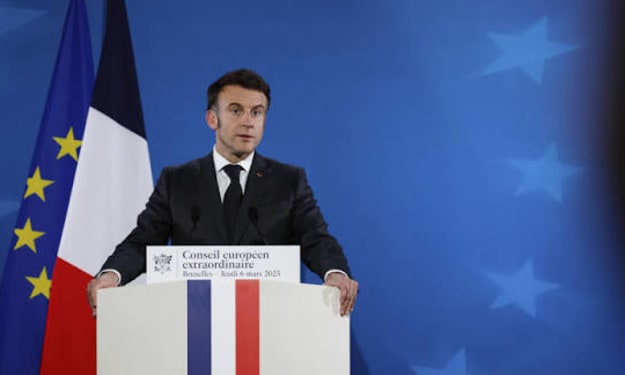
France’s Macron warns US under Trump is ‘turning away’ from allies – Europe. AI-Generated.
French President Emmanuel Macron has issued a stark warning about the state of transatlantic relations, suggesting that under Donald Trump’s leadership, the United States is “turning away” from its traditional allies in Europe. Macron’s comments, coming amid growing geopolitical uncertainties, have ignited debate across the continent about the reliability of the US as a strategic partner and the need for Europe to reassess its foreign policy priorities. A Wake-Up Call for Europe Macron’s remarks follow a series of studies and reports conducted by European think tanks and policy institutes, which indicate that America’s commitment to NATO and multilateral agreements has weakened during the Trump era. These studies emphasize that the US is increasingly prioritizing domestic interests and transactional diplomacy over the long-term security and political cohesion of its allies. “In the past, Europe could rely on the United States to provide strategic stability and deterrence,” Macron stated during a press briefing. “Today, we see a shift. The United States is focusing inward, and Europe must understand the implications of this transformation.” Experts interpret Macron’s warning not merely as political rhetoric but as a reflection of a deeper structural change in international relations. The studies he references suggest that Europe faces potential vulnerabilities in defense, trade, and global governance if it continues to depend on Washington uncritically. The Evidence Behind the Warning European studies highlight several key indicators of America’s perceived withdrawal from its traditional alliances. These include delays in NATO funding commitments, trade disputes with European nations, and skepticism toward joint international agreements, such as climate accords and multilateral security initiatives. The research also points to a growing sentiment within European populations that the United States may no longer serve as a reliable guarantor of regional security. Dr. Helena Schmidt, a senior researcher at the European Policy Institute, explains: “Our data show that European policymakers are increasingly aware that the US may not intervene militarily in Europe if its interests are not directly threatened. This has significant implications for defense planning and the strategic autonomy of the European Union.” Implications for NATO and European Defense Macron’s warning comes at a time when NATO faces questions about burden-sharing and readiness in the face of global threats, including the ongoing tensions with Russia and instability in the Middle East. While the US remains a central force within the alliance, its perceived retreat from multilateral commitments has prompted European leaders to discuss measures for strengthening their own defense capabilities. France, under Macron, has advocated for increased European strategic autonomy, including greater investment in domestic defense industries and collaborative military initiatives with other EU member states. This approach aims to ensure that Europe can act independently if US support is delayed or unavailable in a crisis. Economic and Political Dimensions Beyond security, Macron’s comments touch on economic and political concerns. Studies show that the Trump administration’s trade policies, including tariffs on European goods, have strained relations and created uncertainty for European markets. Similarly, the US’s ambivalence toward international climate agreements and human rights conventions signals a shift away from shared global governance frameworks. European economists warn that continued reliance on a US-led international order could limit Europe’s economic resilience, particularly in sectors such as energy, technology, and manufacturing. Macron’s call for vigilance underscores the need for diversification of trade partners and strategic alliances beyond traditional US ties. A Call for European Unity Macron’s warning has also fueled broader discussions about the need for a more unified European foreign policy. Some policymakers argue that Europe must speak with a single voice in international forums, coordinate its defense strategies, and reduce dependence on US military and economic support. “The message is clear,” says political analyst Jean-Luc Fournier. “Europe cannot assume that the United States will always act in our interest. Strategic autonomy is no longer an abstract idea—it is a necessity if Europe wants to maintain security, influence, and stability in the 21st century.” Looking Forward Macron’s comments and the supporting European studies reflect a moment of reckoning for transatlantic relations. While the US continues to be an indispensable partner in many areas, Europe is increasingly aware that it must prepare for scenarios in which American support is limited or conditional. For Macron and other European leaders, the challenge is balancing continued cooperation with the United States while simultaneously strengthening Europe’s own capacities. Whether through defense, diplomacy, or economic policy, the continent’s response to these shifts may define its role in global affairs for decades to come. Conclusion President Macron’s warning that the US under Trump is “turning away” from its allies serves as both a caution and a call to action for Europe. Supported by research and studies highlighting changing transatlantic dynamics, his statement underscores the need for strategic reassessment, investment in European autonomy, and a more robust approach to international partnerships. As Europe navigates this uncertain geopolitical landscape, the relationship with the United States remains critical, but it is no longer guaranteed. Macron’s message resonates as a reminder that alliances must be maintained through mutual commitment and foresight, not assumptions about past loyalties.
By Fiazahmedbrohi 3 days ago in The Swamp
‘Green Arabia’: Saudi Arabia’s Vast Deserts Were Once Rivers, Lakes, and Grasslands, Studies Show. AI-Generated.
Saudi Arabia’s iconic deserts, with their endless dunes and arid expanses, are often seen as the epitome of extreme dryness. However, recent studies reveal a surprising chapter in the region’s geological and ecological history: vast parts of what is now the Arabian Desert were once verdant landscapes, complete with rivers, lakes, and flourishing grasslands. This discovery not only challenges our understanding of the region’s past but also offers insights into climate change, human migration, and the evolution of ecosystems in one of the world’s harshest environments.
By Fiazahmedbrohi 3 days ago in Earth
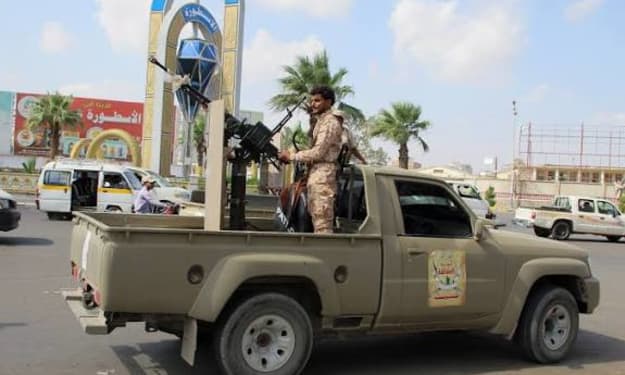
Yemen Separatist Leader Fails to Attend Crisis Talks as Saudi-UAE Rift Deepens. AI-Generated.
Yemen’s ongoing conflict has entered another precarious phase as a key separatist leader failed to attend high-stakes crisis talks aimed at resolving tensions in the southern regions of the country. The absence has intensified concerns over the fragile peace process and highlighted the widening rift between Saudi Arabia and the United Arab Emirates (UAE), both of which have historically played pivotal roles in the country’s conflict dynamics. Background: The Southern Yemen Conflict Southern Yemen has long been a focal point of the nation’s multifaceted conflict, which began in earnest after the Houthi takeover of Sana’a in 2014. In the south, the Southern Transitional Council (STC), a UAE-backed separatist faction, has been pushing for greater autonomy and, in some instances, full independence from the internationally recognised Yemeni government, which is largely supported by Saudi Arabia. Tensions between the STC and the Yemeni government have often resulted in clashes, creating a complex theatre where regional powers’ competing interests intersect. The Saudi-led coalition, which initially included the UAE as a key partner, has been engaged in a delicate balancing act, supporting the Yemeni government while attempting to manage its alliance with southern separatists. The Crisis Talks The recent crisis talks were convened in Riyadh under Saudi auspices, with the objective of addressing territorial disputes, power-sharing arrangements, and the broader security situation in southern Yemen. Delegates from the Yemeni government, Saudi officials, and representatives of the UAE-backed STC were expected to attend. However, the STC’s decision not to send its leader to the negotiations sent shockwaves through diplomatic circles. Official statements cited logistical concerns, but analysts suggest that the absence reflects deepening mistrust within the coalition itself and a strategic move by the separatists to assert leverage amid the shifting regional dynamics. Saudi-UAE Rift The failure to secure full participation from all parties comes amid mounting tensions between Saudi Arabia and the UAE, two regional heavyweights whose coordination has historically shaped the course of Yemen’s conflict. Reports indicate that disagreements over influence in southern Yemen, economic projects, and military command structures have eroded the unity of the coalition. The UAE, which has historically backed the STC, has reportedly pursued policies that sometimes diverge from Riyadh’s objectives, including building local security forces in southern territories and asserting control over strategic ports. Saudi officials, in contrast, have prioritised restoring the Yemeni government’s authority over the south. This divergence has fueled uncertainty about the coalition’s ability to present a united front, complicating peace initiatives and increasing the likelihood of localised conflict flare-ups. Implications for Yemen The absence of the separatist leader has raised serious concerns about the future of Yemen’s fragile peace process. Without the full cooperation of southern factions, negotiations risk being stalled, potentially prolonging instability in key port cities like Aden and Mukalla, which are crucial for humanitarian aid and regional trade. Moreover, ongoing political fragmentation hampers efforts to tackle Yemen’s humanitarian crisis, which the United Nations describes as one of the world’s worst. Millions of Yemenis face food insecurity, disrupted healthcare, and the threat of cholera outbreaks, making any delay in stabilisation particularly perilous. Regional and International Response International actors, including the United Nations and the United States, have expressed concern over the breakdown in dialogue and urged both Saudi Arabia and the UAE to intensify their diplomatic coordination. The UN Special Envoy for Yemen has stressed that the absence of a key player undermines efforts to achieve a sustainable settlement and warned that continued inaction could exacerbate conflict and humanitarian suffering. Meanwhile, regional observers note that the Saudi-UAE rift may embolden other actors, including the Houthis, to exploit divisions in the coalition for territorial and political gains. The current discord also raises questions about the long-term viability of external interventions in Yemen, highlighting the need for a coherent strategy among regional powers. Looking Ahead The coming weeks will be critical for Yemen. Efforts to reschedule the crisis talks and bring all parties to the negotiating table may determine whether a path toward stability can be carved out or if southern Yemen will descend further into chaos. Analysts emphasize that meaningful engagement with separatist leaders is essential, alongside mechanisms to reconcile divergent agendas among coalition partners. At the same time, there is a growing call for the international community to prioritise humanitarian relief and development initiatives, independent of political negotiations, to prevent further deterioration of living conditions for millions of civilians. Conclusion The absence of Yemen’s separatist leader at the latest crisis talks underscores the fragility of peace efforts in the region. Coupled with the widening rift between Saudi Arabia and the UAE, it highlights the challenges of navigating a conflict shaped as much by internal divisions as by external power dynamics. For Yemenis, the stakes are existential: without political compromise and effective coordination among regional actors, instability, humanitarian suffering, and violence are likely to persist. The world watches closely as diplomatic efforts unfold, with the hope that dialogue, rather than division, will guide the future of southern Yemen.
By Fiazahmedbrohi 3 days ago in The Swamp