Deji Akomolafe
Bio
Stories (512)
Filter by community
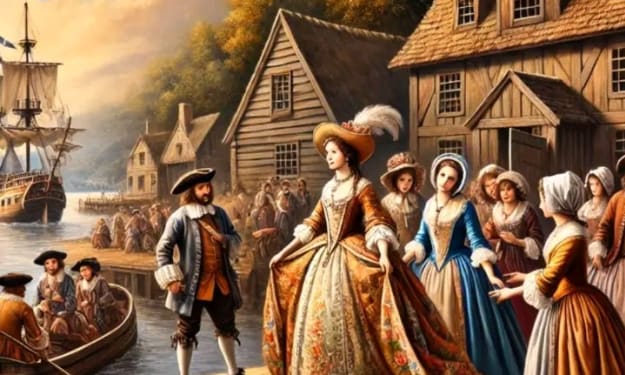
The Filles du Roi: France's Bold Plan to Build New France
In the mid-17th century, New France (now Quebec) was a fledgling colony struggling to thrive. Its sparse population and the overwhelming imbalance of men to women made it difficult to establish stable communities. To address this issue, King Louis XIV of France launched a groundbreaking initiative: he sent nearly 800 women, known as the Filles du Roi (“Daughters of the King”), to Quebec between 1663 and 1673. This bold social experiment not only transformed the colony but also laid the foundation for modern French-Canadian society.
By Deji Akomolafeabout a year ago in History
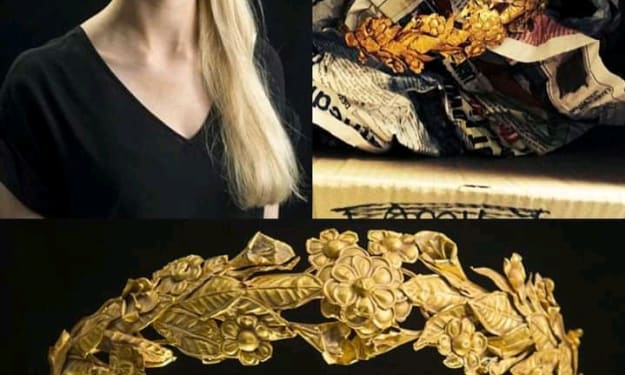
Unveiling the Ancient Greek Gold Diadem: A 2,300-Year-Old Masterpiece Hidden in Plain Sight
A rare and exquisite piece of Ancient Greek history recently surfaced under the most unexpected circumstances. For decades, a 2,300-year-old gold diadem lay forgotten in a tattered box of old newspapers beneath a bed, its owner entirely unaware of its extraordinary significance. Worth an estimated £100,000, this Macedonian treasure, thought to have been looted by tomb raiders, has now found its way to the British Museum in London, where experts are studying its origins, craftsmanship, and cultural significance.
By Deji Akomolafeabout a year ago in History
The Enigma of Jan van Eyck’s Arnolfini Portrait: A Masterpiece Beyond Its Time
Few paintings in history captivate and perplex audiences as much as Jan van Eyck’s Arnolfini Portrait. Completed in 1434, this 600-year-old masterpiece is considered one of the most mysterious and innovative works of art ever created. At first glance, it appears to be a simple portrait of a wealthy couple, Giovanni di Nicolao Arnolfini, an Italian merchant, and his wife, Costanza. However, a closer inspection reveals a wealth of hidden details, intricate symbolism, and unparalleled technical skill that elevate it to legendary status.
By Deji Akomolafeabout a year ago in Art
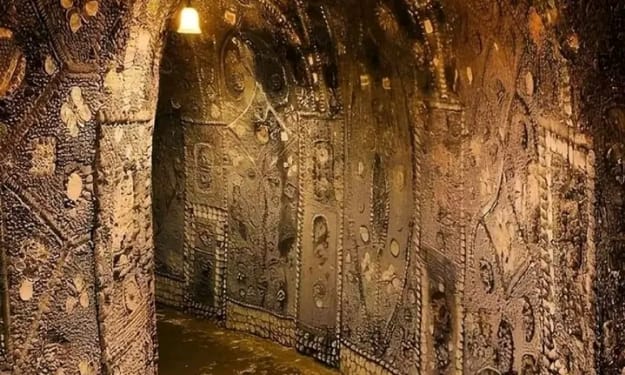
The Enigma of the Shell Grotto: A Mysterious Underground Wonder
Nestled beneath the unassuming streets of Margate, Kent, England, lies one of the most perplexing and enchanting sites in the world—the Shell Grotto. Discovered in 1835, this underground passageway is a masterpiece of meticulous craftsmanship, adorned with over 4.6 million shells that form intricate mosaics covering every surface. Despite its undeniable beauty, the Shell Grotto’s origins, purpose, and creators remain shrouded in mystery, captivating the imaginations of visitors and researchers alike.
By Deji Akomolafeabout a year ago in History
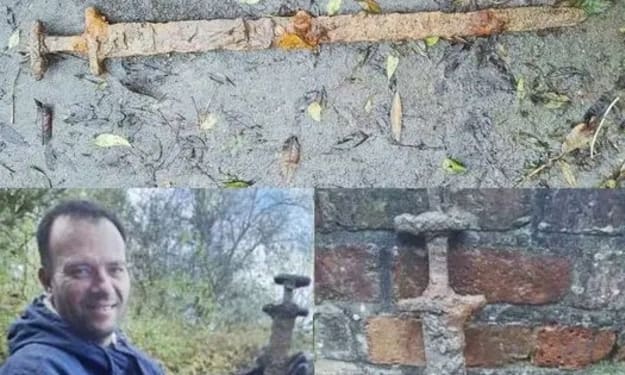
A 1,200-Year-Old Viking Sword Discovered in an English River: Unraveling the Past
In a remarkable twist of fate, Trevor Penny, a magnet fisherman from England, stumbled upon a corroded Viking sword while fishing in the River Cherwell in Oxfordshire. Little did he know, this ancient weapon would take him back over 1,200 years to an era of fierce battles, cultural clashes, and transformative exchanges between the Anglo-Saxons and the Vikings. The sword, estimated to date back to CE 850, is a tangible remnant of a tumultuous period in English history. Its discovery has sparked renewed interest in the Viking Age and its lasting impact on England’s cultural and political landscape.
By Deji Akomolafeabout a year ago in History
The Grand Theater of Ephesus: A Journey Through Time
In the heart of ancient Ephesus, Turkey, stands a breathtaking monument that bridges centuries of history and human ingenuity—the Grand Theater of Ephesus. This architectural marvel, originally constructed during the Hellenistic period in the 3rd century BC, underwent monumental expansion under Roman rule, evolving into a structure capable of hosting up to 25,000 spectators. Today, it stands as one of the most iconic archaeological sites in the world, a testament to the cultural and architectural brilliance of ancient civilizations.
By Deji Akomolafeabout a year ago in History
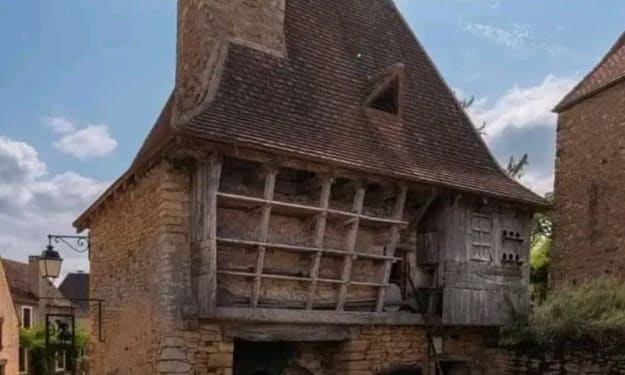
The Communal Bread Oven: A Glimpse Into Medieval Life in Urval, France
Nestled in the picturesque countryside of southwestern France, the small village of Urval boasts a unique treasure from the Middle Ages: a communal bread oven, or "four banal," built in the 14th century. This structure is more than just an architectural relic; it tells the story of feudal society, daily life, and the relationships between lords and peasants.
By Deji Akomolafeabout a year ago in History
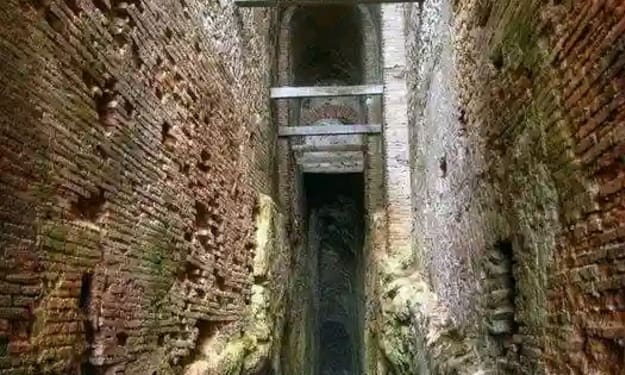
Fucine Lake and the Remarkable Roman Drainage Project
Nestled in the Abruzzo region of central Italy, Fucine Lake was once the third-largest lake in Italy, a vast endorheic basin with no natural outflow. While it provided ample resources such as fish and fertile lands for agriculture, the lake also posed significant challenges. Frequent flooding and the proliferation of malaria made it both a blessing and a curse for those living around its shores. These issues prompted one of the most ambitious engineering projects of the Roman Empire—an endeavor that has left a lasting legacy in both history and archaeology.
By Deji Akomolafeabout a year ago in History
Exploring X-Ray Rock Art from Arnhem Land, Australia
X-Ray Rock Art of Arnhem Land: A Window into Ancient Creativity In the remote and culturally rich region of Arnhem Land in northern Australia lies one of the most extraordinary artistic traditions in human history: X-ray rock art. This distinctive form of Aboriginal art is not only a striking visual achievement but also a profound reflection of the deep connection between Indigenous Australians, their environment. The X-ray style, characterized by the depiction of animals and humans with internal structures such as bones and organs visible, is both an artistic marvel and a cultural treasure that has endured for millennia.
By Deji Akomolafeabout a year ago in Art
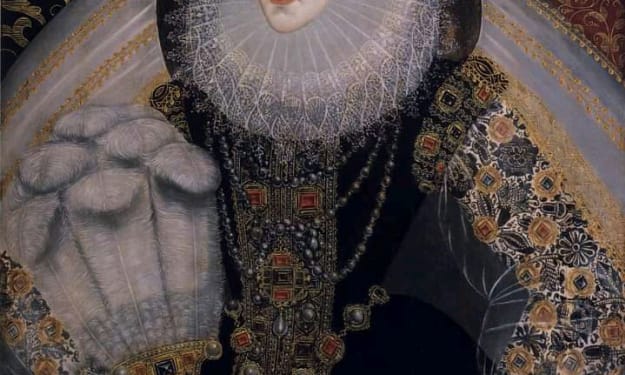
Elizabeth I: The Golden Age Queen
In 1558, Elizabeth Tudor ascended the throne of England, ushering in a transformative era now famously remembered as the Elizabethan Age. The only surviving child of Anne Boleyn and Henry VIII, Elizabeth overcame numerous challenges to become one of Britain’s most iconic monarchs. Her nearly 45-year reign marked a period of cultural flourishing, military triumph, and political stability that shaped the course of English history.
By Deji Akomolafeabout a year ago in History
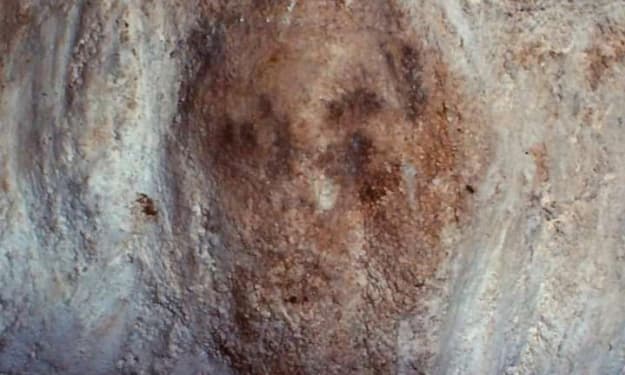
Unveiling the Past: The Ancient Art of Bernifal Cave
Hidden within the lush countryside of Dordogne, France, lies the Bernifal Cave—a remarkable time capsule of prehistoric art and culture. This extraordinary site, dated to approximately 15,000 BC, offers a glimpse into the lives and artistic expressions of early humans during the Upper Paleolithic period. With over 100 engravings and paintings, Bernifal Cave stands as a testament to the ingenuity and creativity of our ancient ancestors, preserving their connection to the natural world and their spiritual beliefs.
By Deji Akomolafeabout a year ago in History
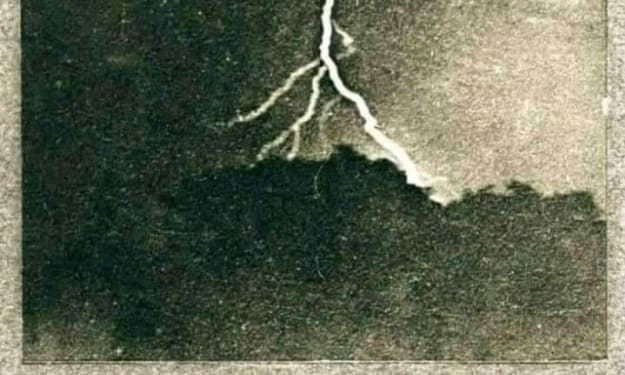
Capturing Nature’s Fury: William Nicholson Jennings and the First Photograph of Lightning
In 1882, an extraordinary moment in both photography and meteorology unfolded. American photographer William Nicholson Jennings achieved what was once thought impossible: he captured a lightning strike on camera. This groundbreaking image was more than just a testament to Jennings' technical skill and perseverance; it was a scientific revelation that transformed humanity’s understanding of lightning and paved the way for future advancements in both fields.
By Deji Akomolafeabout a year ago in Earth