
The Communal Bread Oven: A Glimpse Into Medieval Life in Urval, France
Ancient France

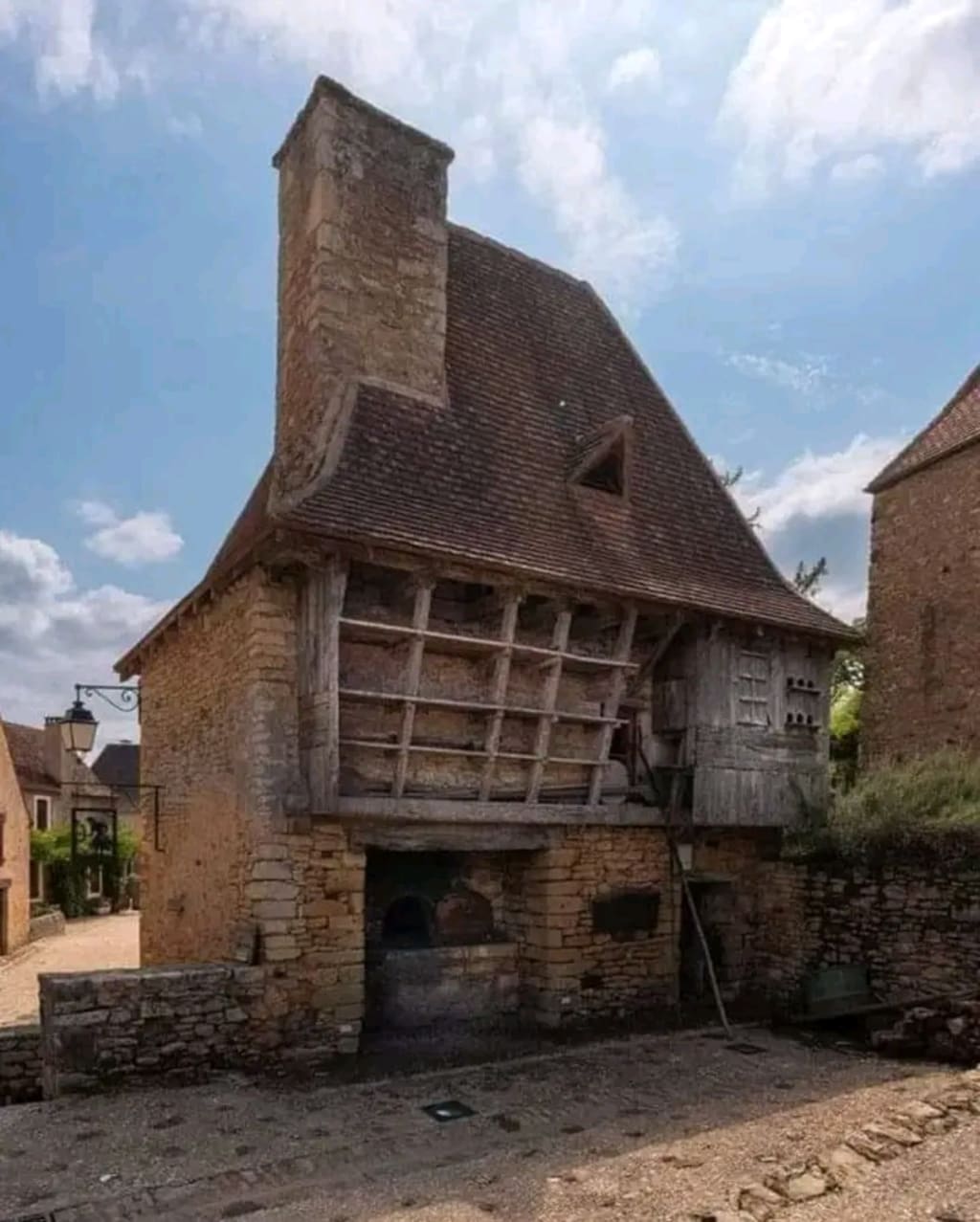
Nestled in the picturesque countryside of southwestern France, the small village of Urval boasts a unique treasure from the Middle Ages: a communal bread oven, or "four banal," built in the 14th century. This structure is more than just an architectural relic; it tells the story of feudal society, daily life, and the relationships between lords and peasants.
A Multifunctional Structure
The communal bread oven in Urval is a remarkable example of medieval ingenuity. Above the oven is a modest room that once housed the fournier—the fire-tender and baker responsible for managing the oven. The fournier not only oversaw the baking process but also tended to the fire, ensuring it remained at an ideal temperature for breadmaking. The shelves above the oven provided space to place freshly baked loaves, their warm aroma filling the room.
To the right of the oven is the pigeonnier or dovecote, where the fournier raised pigeons. In medieval times, pigeons were highly valued for their meat, droppings (used as fertilizer), and even their symbolic association with prosperity and privilege. The integration of the pigeonnier into the bread oven structure highlights the multifunctionality of rural buildings in the Middle Ages.
Bread and Feudalism
In medieval France, bread was the cornerstone of sustenance, a staple for rich and poor alike. Its production, however, was intricately tied to the feudal system. Lords had the exclusive right to own and operate large ovens within their fiefdoms, along with mills and other essential infrastructure.
Peasants were prohibited from building private ovens or mills, ensuring their dependence on the lord’s facilities. To use these communal ovens, they were required to pay a tax, often in the form of grain, flour, or loaves of bread. This tax, known as the banalité, was a significant source of income for the lord, who used it to maintain his estate and fund his military obligations.
This system exemplified the economic dynamics of feudalism, where the lord provided essential infrastructure in exchange for payments or labor from the peasants. While it created a sense of communal interdependence, it also reinforced the hierarchy, with the lord at the top of the social pyramid.
A Hub of Community Life
Beyond its economic implications, the communal bread oven served as a vital social space. Baking bread was a communal activity, bringing villagers together regularly. People would gather to exchange news, share stories, and support one another, fostering a sense of unity.
This aspect of the oven's role in village life is often overlooked but is crucial for understanding medieval society. In a time before modern communication and transportation, such communal spaces were essential for maintaining social bonds and cultural continuity.
The Role of the Fournier
The fournier played a pivotal role in this microcosm of medieval life. Not only did he manage the baking process, but he also acted as a liaison between the lord and the villagers. His position, though relatively modest, came with its own privileges, such as the use of the pigeonnier. Raising pigeons was often a right reserved for lords or their representatives, symbolizing the fournier's unique status within the feudal hierarchy.
Economic and Cultural Impact
The communal bread oven system underscores the intertwined nature of economics and culture in medieval France. Breadmaking was not just a domestic chore but a regulated economic activity that reinforced the feudal system. The taxes collected by the lord from the oven and mill usage contributed to the wealth and power of the estate.
At the same time, the bread oven's role as a communal meeting point highlights the cultural importance of shared spaces. The stories and traditions exchanged around the oven contributed to the oral history of the village, preserving its identity across generations.
Modern Reflections
Today, the communal bread oven in Urval stands as a testament to medieval life. Its preservation offers valuable insights into the daily lives of ordinary people, their struggles, and their ingenuity in the face of rigid social structures. It also serves as a reminder of the central role that bread—both a basic necessity and a symbol of life—played in shaping history.
Visitors to Urval can imagine the bustling activity that once surrounded the oven: villagers arriving with baskets of dough, the fournier stoking the flames, and the aroma of freshly baked bread wafting through the air. This humble structure encapsulates the resilience and resourcefulness of a bygone era, bridging the gap between the past and present.
Conclusion
The 14th-century communal bread oven of Urval is more than a functional relic; it is a window into the rhythms of medieval life. Its existence reflects the complexities of feudal economics, the centrality of bread in society, and the communal spirit that characterized rural villages.
As we admire this piece of history, we are reminded of the importance of preserving such landmarks—not just for their architectural value but for the stories they carry. The communal bread oven stands as a monument to the ingenuity, resilience, and humanity of those who lived centuries before us.
About the Creator
Keep reading
More stories from Deji Akomolafe and writers in History and other communities.
Fucine Lake and the Remarkable Roman Drainage Project
Nestled in the Abruzzo region of central Italy, Fucine Lake was once the third-largest lake in Italy, a vast endorheic basin with no natural outflow. While it provided ample resources such as fish and fertile lands for agriculture, the lake also posed significant challenges. Frequent flooding and the proliferation of malaria made it both a blessing and a curse for those living around its shores. These issues prompted one of the most ambitious engineering projects of the Roman Empire—an endeavor that has left a lasting legacy in both history and archaeology.
By Deji Akomolafeabout a year ago in History
No ICE, No KKK, No Fascist USA
"I don't 'do' politics." Politics will do you, regardless. Watching from the sidelines for the last year I can see far too many similarities in the way Trump's ICE Gestapo is to Nazi Germany. Considering the United States just invaded Venezuela and kidnapped their President and his wife I would say we are there.
By Lyvia Jack5 days ago in History
3 Moments When Reality Accidentally Became a Horror Movie
Horror movies usually rely on a simple agreement with the audience: this could never really happen. Ghosts follow rules, monsters have weaknesses, and there’s always a clear point where reality hands the story over to fiction. Real life, unfortunately, does not care about narrative structure, logic, or closure.
By Enoch Sagini4 days ago in History



Comments
There are no comments for this story
Be the first to respond and start the conversation.