
Unveiling the Past: The Ancient Art of Bernifal Cave
Ancient Civilization

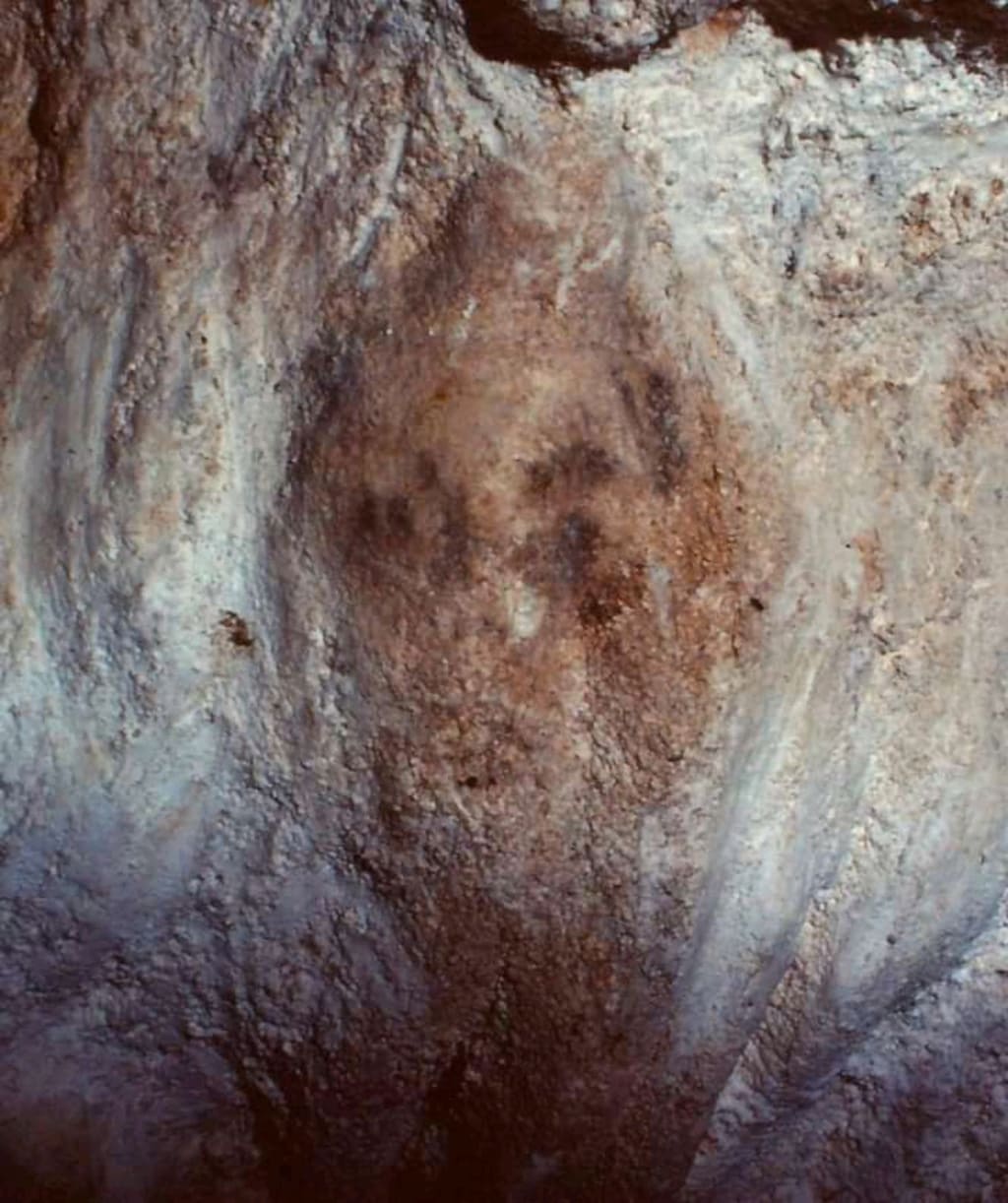
Hidden within the lush countryside of Dordogne, France, lies the Bernifal Cave—a remarkable time capsule of prehistoric art and culture. This extraordinary site, dated to approximately 15,000 BC, offers a glimpse into the lives and artistic expressions of early humans during the Upper Paleolithic period. With over 100 engravings and paintings, Bernifal Cave stands as a testament to the ingenuity and creativity of our ancient ancestors, preserving their connection to the natural world and their spiritual beliefs.
---
A Portal to Prehistoric Life
Discovered in 1902, Bernifal Cave is one of the lesser-known treasures of prehistoric art. Unlike more famous sites such as Lascaux or Chauvet, Bernifal has remained relatively untouched and unspoiled. The original entrance was blocked by rubble thousands of years ago, effectively sealing the cave and protecting its contents from vandalism and environmental damage.
This isolation has allowed the cave to remain a pristine repository of ancient engravings and paintings. The artwork within Bernifal offers a vivid portrait of the animals that roamed the Ice Age landscapes of Europe, including horses, bison, mammoths, and ibex. Each engraving and painting provides valuable insights into the biodiversity of the era and the deep connection these early humans had with their environment.
---
The Art of Bernifal
The artwork in Bernifal Cave is primarily composed of engravings, but there are also painted elements that add depth and vibrancy to the collection. The engravings are etched into the limestone walls with tools crafted from flint or bone, while the painted images were created using natural pigments like ochre and charcoal.
One of the most intriguing aspects of the cave's art is the presence of "tectiform" symbols, enigmatic roof-shaped drawings found in several other caves from the same period. The meaning of these symbols remains a mystery to archaeologists, but they are believed to hold spiritual or ritual significance, potentially representing shelters, dwellings, or other abstract concepts central to Paleolithic life.
Unlike modern art, which often emphasizes individual expression, the artwork in Bernifal Cave reflects a communal narrative. These engravings and paintings were likely created as part of collective rituals or storytelling traditions, serving as a shared visual language for the group.
---
Human Portrait: A Rare and Fascinating Find
Among the captivating images in Bernifal Cave is a rare human portrait, dated to approximately 15,000 BC. Human representations in Paleolithic art are uncommon compared to the abundance of animal depictions, making this portrait an extraordinary discovery.
The portrait is simple yet evocative, capturing the essence of an individual through minimal lines and shapes. Its presence in the cave raises questions about the role of human imagery in early art. Was it a self-portrait, a depiction of a revered figure, or a symbolic representation of humanity itself?
The scarcity of human images in prehistoric art suggests that their creation held special significance. They may have been reserved for specific rituals, or perhaps the artists were more focused on the animals that played a vital role in their survival.
---
A Window into the Spiritual World
The artwork of Bernifal Cave is more than a record of Ice Age fauna; it is a window into the spiritual and symbolic world of its creators. The attention to detail in the animal depictions suggests a profound respect for these creatures, which were likely central to the community's livelihood and mythology.
Many archaeologists believe that caves like Bernifal were considered sacred spaces, used for rituals, ceremonies, and storytelling. The act of engraving or painting on the walls may have been a spiritual practice, a way to connect with the forces of nature or seek guidance from ancestral spirits.
The enigmatic tectiform symbols further reinforce this idea. Their repeated presence in multiple caves suggests they carried a shared meaning, perhaps related to protection, fertility, or the cosmos. While the exact interpretation remains elusive, these symbols highlight the complexity of Paleolithic thought and culture.
---
Preservation and Legacy
The Bernifal Cave's exceptional preservation owes much to its natural protection and the respect shown by modern visitors. Unlike many other prehistoric sites, it has not been damaged or defaced, allowing researchers to study its art in its original context.
However, the fragility of the cave’s ecosystem underscores the importance of responsible preservation. Human activity, even in small doses, can disrupt the delicate balance within the cave, leading to the deterioration of its artwork. To ensure the longevity of these priceless treasures, access to Bernifal Cave is strictly regulated, with conservation efforts focused on maintaining its pristine condition.
---
The Enduring Appeal of Prehistoric Art
The engravings and paintings of Bernifal Cave remind us of our shared humanity and the enduring power of art to transcend time. Created more than 15,000 years ago, these images continue to inspire awe and curiosity, bridging the gap between the ancient past and the present.
Through their artistry, the creators of Bernifal Cave left behind a legacy that speaks to their ingenuity, spirituality, and connection to the natural world. Their work challenges us to reflect on our own relationship with the environment and the ways in which art continues to shape our understanding of the human experience.
In the depths of Bernifal Cave, the voices of the past whisper through stone and pigment, inviting us to listen, learn, and marvel at the timeless creativity of our ancestors.
About the Creator
Keep reading
More stories from Deji Akomolafe and writers in History and other communities.
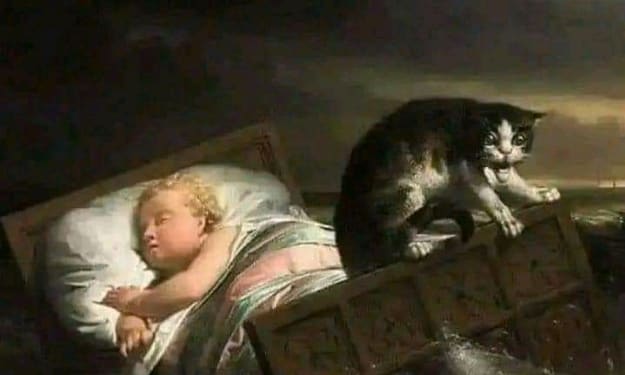
The Cat’s in the Cradle: A Tale of Survival and Hope in 1421
In 1421, a devastating flood swept through the Netherlands, forever altering its landscape and leaving a deep mark on its history. Known as the St. Elizabeth's Flood, this catastrophic event submerged 72 villages, claiming the lives of between 2,000 and 10,000 people. Amidst the destruction and despair, an extraordinary story of survival emerged—a tale of a child saved by the resourcefulness of a cat.
By Deji Akomolafeabout a year ago in History
The Night Polo of Emperor Akbar: When a Glowing Ball Lit Up the Mughal Game
Among the many fascinating innovations associated with the Mughal Empire, one lesser-known yet remarkable story involves the love of sport displayed by the great emperor Akbar. Known for his administrative brilliance, military strength, and cultural openness, Akbar was also passionate about physical games—especially the ancient sport of polo, known in South Asia and Persia as chogan or chaugan. One of the most intriguing legends about him is that he introduced a glowing ball so the game could be played at night.
By Irshad Abbasi 4 days ago in History


Comments
There are no comments for this story
Be the first to respond and start the conversation.