
Exploring X-Ray Rock Art from Arnhem Land, Australia
Ancient Artwork

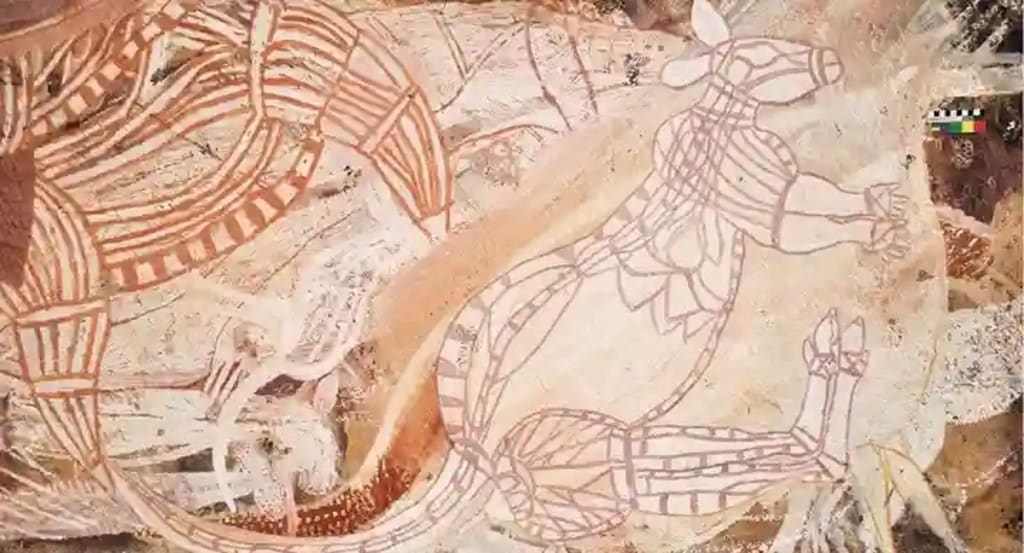
X-Ray Rock Art of Arnhem Land: A Window into Ancient Creativity
In the remote and culturally rich region of Arnhem Land in northern Australia lies one of the most extraordinary artistic traditions in human history: X-ray rock art. This distinctive form of Aboriginal art is not only a striking visual achievement but also a profound reflection of the deep connection between Indigenous Australians, their environment. The X-ray style, characterized by the depiction of animals and humans with internal structures such as bones and organs visible, is both an artistic marvel and a cultural treasure that has endured for millennia.
The Origins and Evolution of X-Ray Rock Art
The X-ray art tradition is believed to have emerged around 2000 BC, evolving from earlier rock art styles and continuing to thrive into the present day. Arnhem Land, home to this art form, is a region renowned for its extensive rock shelters and caves, many of which serve as natural canvases for these ancient works.
The style's hallmark feature is its ability to depict not only the external appearance of animals and humans but also their internal anatomy. This level of detail demonstrates the profound observational skills and ecological knowledge of Aboriginal artists. The technique was more than artistic; it conveyed practical, and symbolic meanings, often tied to survival, hunting practices, and cultural beliefs.
Themes and Subjects in X-Ray Rock Art
X-ray rock art primarily focuses on animals, fish, and human figures, all depicted in exquisite detail. The choice of subjects often reflects the flora and fauna of the local environment, particularly species that were important for sustenance, such as fish, kangaroos, and turtles. By illustrating these creatures with their internal organs and skeletal structures, the artists communicated their deep understanding of anatomy and their reverence for the natural world.
Symbolism and Cultural Significance
The X-ray style was not merely a decorative choice but a profound means of expressing cultural knowledge and beliefs. By revealing the internal structures of their subjects, Aboriginal artists emphasized the interconnectedness of all life forms and their relationships to the land and each other.
For instance, a painting of a fish might symbolize its role as a food source while also honoring its significance. The act of creating such art was often a ceremonial practice, offering gratitude to maintaining harmony with nature. These paintings served as teaching tools, passing down ecological knowledge, hunting techniques, and insights to future generations.
Techniques and Materials
Creating X-ray rock art required immense skill and a deep understanding of natural materials. Aboriginal artists used pigments derived from ochre, charcoal, and other minerals, mixed with binders like water or animal fat to create paint. The colors were applied using brushes made from bark, human hair, or fingers.
The rock surfaces of Arnhem Land’s caves and shelters provided an ideal canvas for these works, with many paintings preserved for thousands of years due to the natural protection offered by these locations. The durability of the pigments and the sheltered environment have ensured the survival of these masterpieces, allowing us to glimpse a rich cultural history that spans millennia.
Continuing the Tradition
Despite its ancient origins, the X-ray art tradition remains a vibrant part of Aboriginal culture. Contemporary Aboriginal artists in Arnhem Land continue to create works inspired by this style, using both traditional and modern materials. These artworks often blend ancient techniques with new perspectives, keeping the tradition alive while also adapting it to a changing world.
Modern X-ray art can be found on bark paintings, canvases, and other mediums, reaching audiences far beyond the rock shelters of Arnhem Land. These works are celebrated in galleries and exhibitions worldwide, highlighting the enduring significance of this artistic tradition.
A Legacy of Connection
The X-ray rock art of Arnhem Land is more than just an artistic achievement; it is a testament to the enduring relationship between Aboriginal people and their environment. It reflects a worldview where nature, culture, and are deeply intertwined, offering insights into the ways in which humans can live in harmony with the world around them.
As a living tradition, X-ray art continues to inspire and educate, bridging the gap between ancient and modern times. It reminds us of the importance of preserving cultural heritage and honoring the knowledge and creativity of Indigenous peoples.
Conclusion
The X-ray rock art of Arnhem Land stands as one of the most unique and enduring expressions of human creativity. Its intricate depictions of animals, humans, and reveal a deep understanding of anatomy, and ecology. Through this art form, Aboriginal people have preserved their stories, beliefs, and knowledge for thousands of years, offering a timeless message of connection, respect, and harmony.
Today, X-ray art continues to captivate audiences around the globe, serving as a powerful reminder of the beauty and complexity of Aboriginal culture and its invaluable contributions to humanity’s shared heritage.
About the Creator
Keep reading
More stories from Deji Akomolafe and writers in Art and other communities.
The Curious Case of Peter Bruce Gale’s 1562 Painting: A Prehistoric Mystery
In the annals of art history, some works defy explanation, challenging what we think we know about the past. Among these is a mysterious painting created in 1562 by the little-known artist Peter Bruce Gale. While seemingly unremarkable at first glance, the painting features an extraordinary subject: what appears to be a dinosaur, centuries before the scientific discovery of these prehistoric creatures.
By Deji Akomolafeabout a year ago in Art
'Till Death We Do Art
There would be nothing divine in this world without art. Nature may surpass the divine to all intents and purposes, but like everything it absorbs and is absorbed by, it remains here, stuck on the surface of this world, ever-present, physically bound to the universe.
By Avocado Nunzella BSc (Psych) -- M.A.P 22 days ago in Art
Things to do in Casablanca:
Casablanca is one of lovely destinations around Morocco. Casablanca is considered the largest city in Morocco. It's famously known for its historic attractions, cultural sites and natural landscapes. Additionally, the city is well- known for its clean beaches offering visitors a lifetime experience. This blog cover the top things to do in Casablanca:
By Othmane Anaam7 days ago in Art



Comments
There are no comments for this story
Be the first to respond and start the conversation.