
Fucine Lake and the Remarkable Roman Drainage Project
Ancient Rome

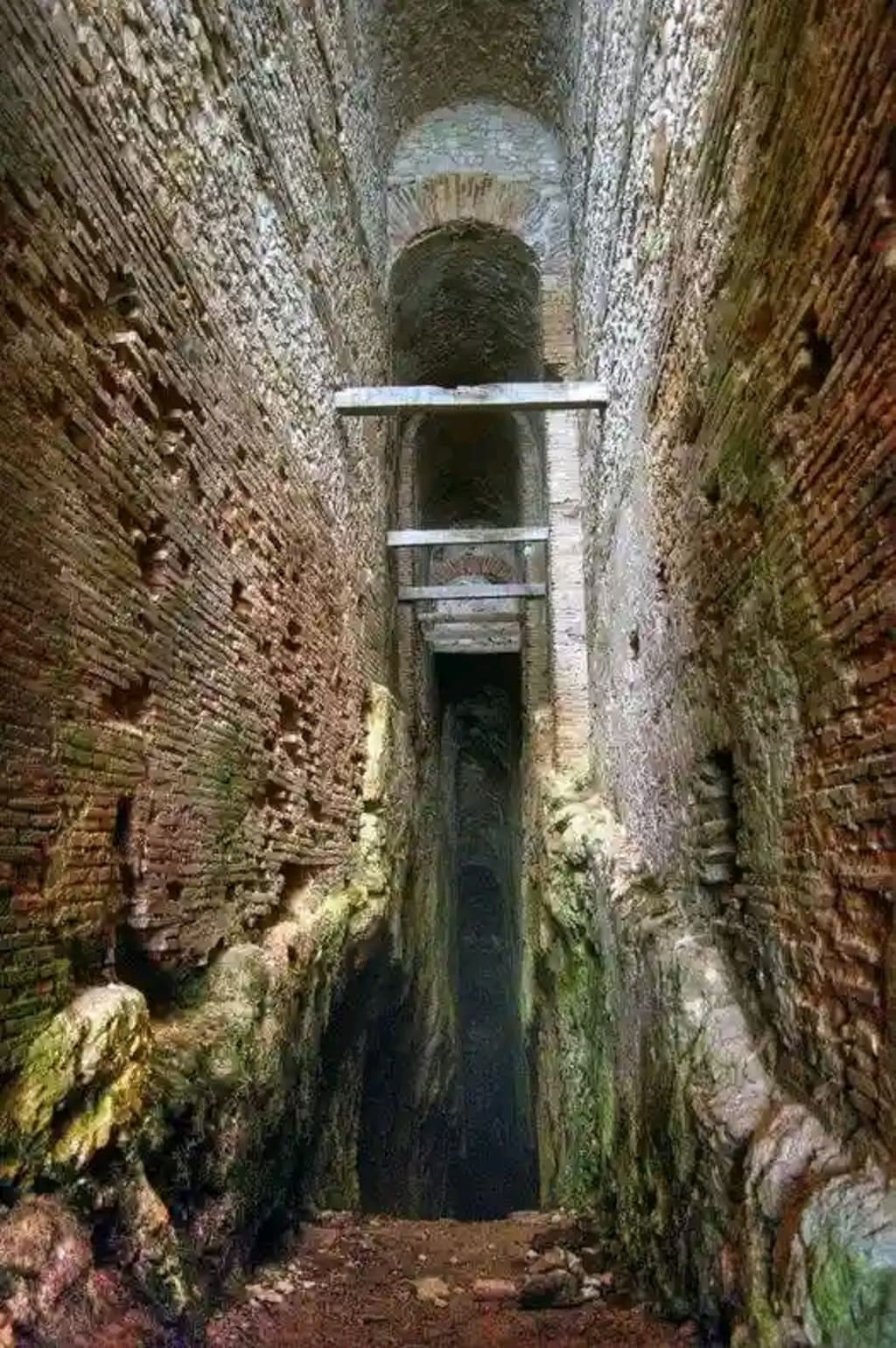
Nestled in the Abruzzo region of central Italy, Fucine Lake was once the third-largest lake in Italy, a vast endorheic basin with no natural outflow. While it provided ample resources such as fish and fertile lands for agriculture, the lake also posed significant challenges. Frequent flooding and the proliferation of malaria made it both a blessing and a curse for those living around its shores. These issues prompted one of the most ambitious engineering projects of the Roman Empire—an endeavor that has left a lasting legacy in both history and archaeology.
Fucine Lake’s Challenges
Fucine Lake spanned a significant area, but its lack of a natural outflow meant that water levels could rise unpredictably. The fertile plains around the lake were often inundated, causing substantial damage to crops and settlements. Malaria, a scourge in ancient times, thrived in the stagnant waters, making life around the lake perilous.
These recurring issues led Roman engineers to devise a plan to control the lake's waters. Emperor Claudius, known for his interest in ambitious infrastructure projects, took up the challenge. His vision was nothing short of extraordinary: to lower the lake's water level by creating an artificial outlet that would drain its excess water into the nearby Liri River.
The Engineering Marvel of Emperor Claudius
In 41 CE, Claudius commissioned an elaborate drainage system that would involve the construction of canals, wells, and tunnels. Over 30,000 slaves and workmen labored tirelessly for 11 years, completing the project in 52 CE. The centerpiece of this system was an underground canal stretching more than three miles (six kilometers), which was, at the time, the longest tunnel in the world.
The tunnel cut through the Monte Salviano range, a feat that required immense precision and manpower given the rudimentary tools available in ancient Rome. Workers dug the canal by hand, using chisels, hammers, and primitive picks. Ventilation shafts and wells were constructed along the tunnel's length to aid in the excavation process.
The tunnel’s design was ingenious, allowing water to flow from Fucine Lake into the Liri River on the other side of the mountain. Once operational, the system successfully reduced the lake's water level, providing relief from floods and expanding the usable land for agriculture and settlement.
A Partial Success and Subsequent Decline
Despite its brilliance, the project was only partially successful. The lake's water level was lowered, but it could not be entirely emptied. Claudius himself recognized the limitations of the system. Historical accounts describe a grand ceremony held to inaugurate the drainage project, during which the system’s efficiency was tested, but the results were underwhelming.
After the fall of the Roman Empire, maintenance of the drainage system ceased. The tunnel and canals fell into disrepair, exacerbated by earthquakes that damaged the structures. Without consistent upkeep, the lake gradually returned to its original level, reclaiming the land that had been won through Claudius’s monumental efforts.
The Final Draining of Fucine Lake
Centuries later, in the 19th century, modern engineers revisited the challenge of Fucine Lake. Between 1854 and 1878, the lake was finally drained entirely under the guidance of Alessandro Torlonia, an Italian nobleman and financier. Using more advanced technology, Torlonia expanded upon the Roman infrastructure and completed the project, transforming the former lakebed into arable land.
The successful draining of Fucine Lake marked the end of an era but also underscored the ingenuity of Claudius’s original vision. Although his project was ultimately abandoned, it demonstrated the extraordinary capabilities of Roman engineering and their understanding of hydraulics and infrastructure.
The Archaeological Park and Modern Legacy
Today, the ancient Roman drainage system has been preserved as an archaeological park. Visitors can explore remnants of the canals, wells, and the tunnel that once represented the pinnacle of Roman engineering. The park not only showcases the scale and ambition of the project but also serves as a testament to the ingenuity and resilience of the Roman Empire.
The underground canal, in particular, remains a highlight. Although it no longer serves its original purpose, its preservation allows archaeologists and engineers to study the methods and techniques used by Roman workers. The site is also a reminder of the human cost of such projects, with thousands of laborers toiling under challenging conditions to bring Claudius’s vision to life.
Lessons from the Past
The story of Fucine Lake and its drainage project offers valuable lessons about human innovation and perseverance. Claudius’s endeavor exemplifies the ability of ancient civilizations to tackle complex environmental challenges with limited resources. It also highlights the importance of maintenance and adaptability in engineering projects, as the lack of upkeep ultimately led to the system’s decline.
Furthermore, the project demonstrates the Romans’ profound connection to their environment. Their willingness to invest time, labor, and resources into transforming their surroundings reflects their belief in the power of engineering to shape the natural world for the benefit of society.
Conclusion
The drainage of Fucine Lake under Emperor Claudius stands as a remarkable chapter in the history of engineering and environmental management. While the project faced challenges and setbacks, its scale and ambition remain awe-inspiring. The remnants of this ancient endeavor, now preserved as an archaeological park, continue to captivate and educate modern audiences, reminding us of the ingenuity and determination of those who came before us.
Through projects like this, the Romans not only reshaped their world but also laid the groundwork for future generations to build upon their achievements. Fucine Lake may be gone, but its story lives on, a testament to the enduring legacy of Roman innovation.
About the Creator
Keep reading
More stories from Deji Akomolafe and writers in History and other communities.
Elizabeth I: The Golden Age Queen
In 1558, Elizabeth Tudor ascended the throne of England, ushering in a transformative era now famously remembered as the Elizabethan Age. The only surviving child of Anne Boleyn and Henry VIII, Elizabeth overcame numerous challenges to become one of Britain’s most iconic monarchs. Her nearly 45-year reign marked a period of cultural flourishing, military triumph, and political stability that shaped the course of English history.
By Deji Akomolafeabout a year ago in History
Dracula: The Real Man Behind the Legend and His War Against the Ottoman Empire
When most people hear the name Dracula, they imagine a mysterious vampire who drinks human blood and lives in a dark castle. This terrifying character became famous through Bram Stoker’s 1897 novel Dracula. However, the fictional vampire was actually inspired by a real historical figure: Vlad III of Wallachia, better known as Vlad the Impaler. His life was filled with war, brutality, and political struggle, especially against the powerful Ottoman Empire.
By Irshad Abbasi 6 days ago in History



Comments
There are no comments for this story
Be the first to respond and start the conversation.