
The Enigma of Jan van Eyck’s Arnolfini Portrait: A Masterpiece Beyond Its Time
Ancient Art

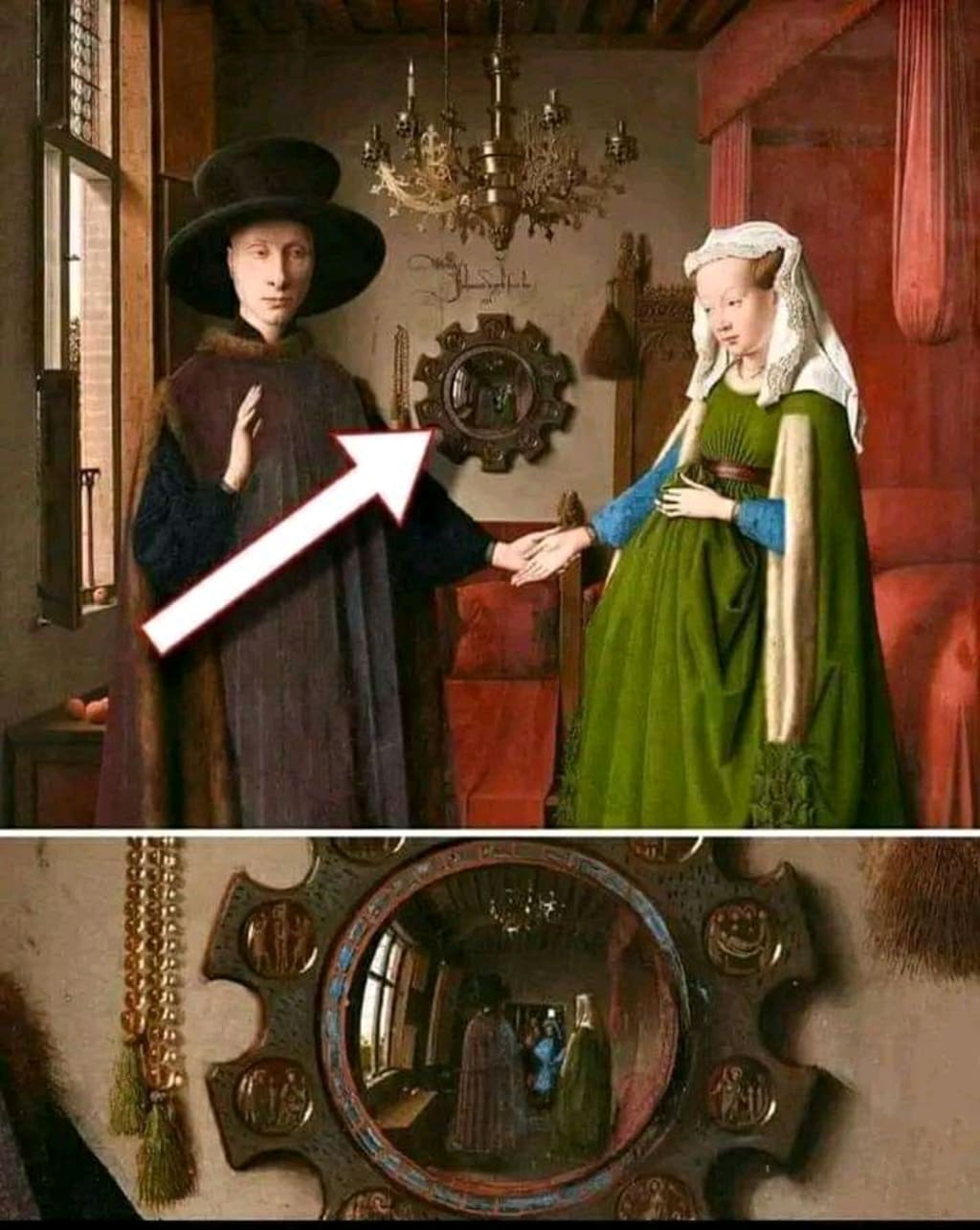
Few paintings in history captivate and perplex audiences as much as Jan van Eyck’s Arnolfini Portrait. Completed in 1434, this 600-year-old masterpiece is considered one of the most mysterious and innovative works of art ever created. At first glance, it appears to be a simple portrait of a wealthy couple, Giovanni di Nicolao Arnolfini, an Italian merchant, and his wife, Costanza. However, a closer inspection reveals a wealth of hidden details, intricate symbolism, and unparalleled technical skill that elevate it to legendary status.
This blog will delve into the history, techniques, and mysteries surrounding the Arnolfini Portrait, shedding light on why it remains one of the most studied and debated works in art history.
---
The Artist: Jan van Eyck
Jan van Eyck, a pioneer of Early Netherlandish painting, was renowned for his revolutionary use of oil paints and his meticulous attention to detail. His mastery of light, texture, and perspective allowed him to achieve a level of realism previously unseen in European art. The Arnolfini Portrait exemplifies van Eyck’s artistic genius, blending technical skill with profound narrative depth.
---
The Scene: An Ordinary Moment or Something More?
The painting depicts Giovanni Arnolfini and his wife standing in a domestic interior, presumably their home in Bruges. Giovanni is dressed in a fur-lined robe, while his wife wears an elegant green gown with flowing folds. The room is furnished with lavish items—a chandelier, an ornate bed, and a luxurious oriental rug—reflecting the couple’s wealth and status.
At first glance, the scene seems straightforward: a formal portrait of a prosperous couple. Yet, the more you look, the more the painting reveals layers of complexity and ambiguity.
---
The Mysterious Mirror
One of the most remarkable features of the Arnolfini Portrait is the convex mirror on the back wall. Measuring just three inches in diameter, this tiny mirror reflects the entire room in stunning detail. Not only do we see the backs of Giovanni and his wife, but we also glimpse two additional figures standing in the doorway. One of these figures is believed to be van Eyck himself, subtly inserting his presence into the scene.
This small mirror serves as both a technical marvel and a narrative device. It draws viewers deeper into the painting, making them feel as though they are part of the scene. Its inclusion raises questions: Who are the figures in the doorway? Are they witnesses to the couple’s union, or is their presence purely symbolic?
---
Symbolism in Abundance
Every element in the Arnolfini Portrait seems to carry symbolic meaning, creating endless opportunities for interpretation.
The Dog
At the couple’s feet lies a small dog, often interpreted as a symbol of loyalty and fidelity. Its inclusion suggests the couple’s commitment to each other, though some art historians have speculated it might also symbolize wealth, as small companion dogs were prized among the elite.
The Green Gown
The wife’s luxurious green dress is more than a display of wealth; it is often associated with fertility and hope. Some scholars suggest the painting could be a record of their marriage or a wish for future children.
The Chandelier
The single lit candle in the chandelier has sparked debate for centuries. Some believe it symbolizes the presence of God or divine witness to the event, while others interpret it as a nod to the ritual of marriage.
The Fruit on the Windowsill
The oranges resting on the windowsill are not mere decorations. In 15th-century art, oranges were often associated with wealth and the Garden of Eden, symbolizing innocence and purity.
The Position of Their Hands
Giovanni holds his wife’s hand in a gesture that suggests mutual respect and partnership. Yet, some interpret this as a sign of the husband’s authority, reflecting the gender norms of the time.
---
Was It a Marriage Portrait?
One of the most debated questions about the Arnolfini Portrait is its purpose. Is it a depiction of a marriage ceremony, a memorial portrait, or simply a record of wealth and status?
Marriage Ceremony
The painting is often interpreted as a visual record of the couple’s wedding. The joined hands, the presence of witnesses in the mirror, and the religious symbolism all support this theory.
Memorial Portrait
Others argue it might be a posthumous tribute to the wife, who is thought to have died before the painting was completed. This would explain the somber tone and the subtle references to mortality, such as the extinguished candles.
A Statement of Wealth
Alternatively, the painting could be a statement of the Arnolfini family’s social status. The detailed rendering of luxurious fabrics, furniture, and objects serves as a testament to their prosperity and taste.
---
Van Eyck’s Inscription: “Jan van Eyck Was Here”
Above the mirror, van Eyck inscribed the words, “Johannes de Eyck fuit hic 1434” (Jan van Eyck was here, 1434). This bold signature not only affirms his authorship but also positions him as a witness to the scene. It’s as though van Eyck is inviting viewers to question the painting’s purpose and his role in creating it.
---
Legacy and Influence
The Arnolfini Portrait is celebrated as one of the earliest examples of secular portraiture, breaking away from the predominantly religious themes of medieval art. Its innovations in perspective, realism, and symbolism influenced generations of artists and marked a turning point in the history of Western art.
Even today, the painting continues to captivate audiences with its intricate details and enigmatic elements. Scholars, art enthusiasts, and casual observers alike find themselves drawn into its world, pondering the mysteries it holds.
---
Conclusion
Jan van Eyck’s Arnolfini Portrait is far more than a simple depiction of a couple; it is a visual puzzle, a technical triumph, and a window into the social and cultural dynamics of the 15th century. Its mysteries invite endless interpretation, ensuring its place as one of the most fascinating and enduring works of art in history.
The more one studies this masterpiece, the more it reveals about the ingenuity of its creator and the complexities of the world it portrays. To gaze upon the Arnolfini Portrait is to step into a narrative that transcends time, reminding us of art’s ability to intrigue, inspire, and endure.
About the Creator
Keep reading
More stories from Deji Akomolafe and writers in Art and other communities.
Exploring X-Ray Rock Art from Arnhem Land, Australia
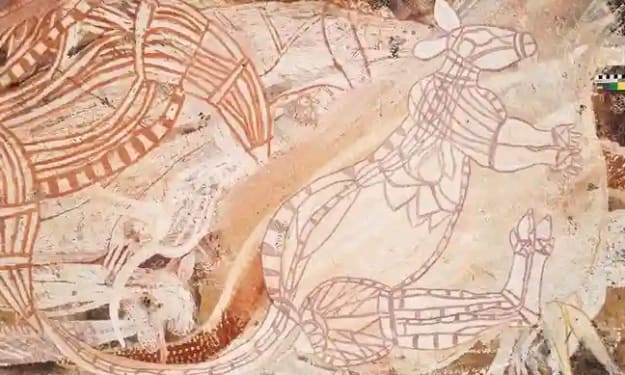
X-Ray Rock Art of Arnhem Land: A Window into Ancient Creativity In the remote and culturally rich region of Arnhem Land in northern Australia lies one of the most extraordinary artistic traditions in human history: X-ray rock art. This distinctive form of Aboriginal art is not only a striking visual achievement but also a profound reflection of the deep connection between Indigenous Australians, their environment. The X-ray style, characterized by the depiction of animals and humans with internal structures such as bones and organs visible, is both an artistic marvel and a cultural treasure that has endured for millennia.
By Deji Akomolafeabout a year ago in Art
'Till Death We Do Art
There would be nothing divine in this world without art. Nature may surpass the divine to all intents and purposes, but like everything it absorbs and is absorbed by, it remains here, stuck on the surface of this world, ever-present, physically bound to the universe.
By Avocado Nunzella BSc (Psych) -- M.A.P 27 days ago in Art



Comments
There are no comments for this story
Be the first to respond and start the conversation.