console
The only console conversation you'll need; from handheld gaming consoles to custom builds, old-school, new to market and everything in between.
HOW CITIES BID FOR THE OLYMPICS:A STEP-BY-STEP OVERVIEW
Bidding for the Olympic Games is a complex and highly competitive process that requires a city to demonstrate its ability to host one of the world's most prestigious sporting events. The International Olympic Committee (IOC) oversees the entire bidding process, which takes years of preparation, strategic planning, and negotiation. The city selected to host the Olympics is responsible for building new infrastructure, ensuring security, and providing an unforgettable experience for athletes and spectators alike. Here’s a step-by-step overview of how cities bid for the Olympics.
By Badhan Senabout a year ago in Gamers
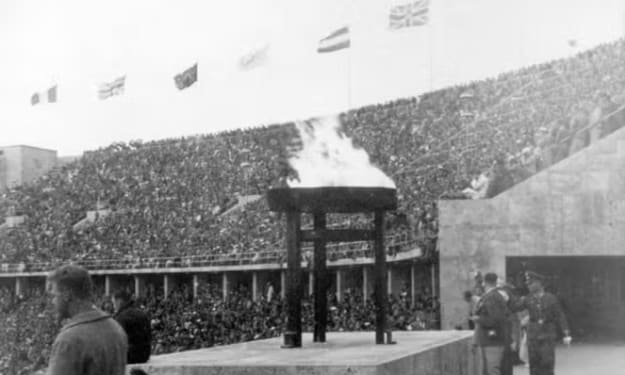
THE POLITICAL AND SOCIAL CLIMATE AROUND THE 1936 BERLIN OLYMPICS
The 1936 Berlin Olympics, officially known as the XI Olympiad, were held in Nazi Germany, under the rule of Adolf Hitler and the Nazi regime. These games were deeply intertwined with the political and social climate of the time, serving as a platform for Nazi propaganda, and representing a critical moment in the lead-up to World War II. The political and social environment surrounding the event reveals much about the manipulation of sports for ideological purposes and the broader global tensions of the era.
By Badhan Senabout a year ago in Gamers
THE ECONOMIC IMPACT OF HOSTING THE WINTER OLYMPICS IN CANADA
Hosting the Winter Olympics is a prestigious honor for any nation, offering an opportunity to showcase its culture, infrastructure, and hospitality to the world. For Canada, the experience of hosting the Winter Olympics, most notably in Vancouver in 2010, provided a significant opportunity for economic growth, global exposure, and long-term investments. However, while hosting the Games presents numerous potential economic benefits, it also comes with challenges. The following explores both the positive and negative economic impacts of hosting the Winter Olympics in Canada.
By Badhan Senabout a year ago in Gamers
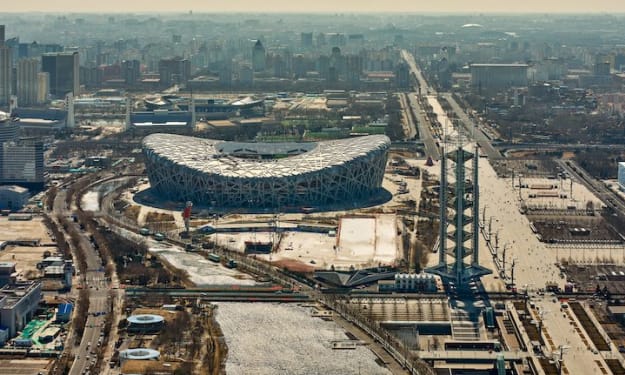
THE INFRASTRUCTURE DEVELOPMENT IN BEIJING FOR THE OLYMPICS
Infrastructure Development in Beijing for the 2008 Summer Olympics was a major undertaking, as the city sought to transform itself into a global hub for sports, tourism, and business. The Chinese government invested heavily in improving the city’s infrastructure, including transportation, sports venues, and urban development, to support the successful hosting of the Olympics.
By Badhan Senabout a year ago in Gamers
THE IMPORTANCE OF ATHLETE'S MENTAL TOUGHNESS IN THE OLYMPICS
The Olympic Games are the pinnacle of athletic achievement, where the world’s best athletes gather to compete for glory, national pride, and personal success. Beyond physical preparation, one of the most crucial factors contributing to an athlete's success at the Olympic level is mental toughness. Mental toughness refers to the ability to stay focused, motivated, and resilient in the face of adversity, stress, and pressure. In a setting as intense and high-stakes as the Olympics, mental toughness can often make the difference between winning a gold medal or falling short. This essay explores the importance of mental toughness in Olympic athletes and its role in their performance.
By Badhan Senabout a year ago in Gamers
THE OLYMPICS AND THE GROWTH OF PARALYMPIC SPORTS
The Olympic Games and the Paralympic Games have long been associated with international competition, showcasing athleticism, national pride, and the pursuit of excellence. However, the development of the Paralympic Games and their relationship with the Olympics represents a unique journey of inclusion, progress, and societal transformation. Over the years, the Paralympics have not only expanded in terms of scope, participation, and viewership but have also played a vital role in breaking down barriers for athletes with disabilities.
By Badhan Senabout a year ago in Gamers
MENTAL HEALTH AWARENESS IN OLYMPIC ATHLETES
The world of Olympic athletics is often perceived as one of physical and mental perfection, with athletes who seem invincible in their pursuit of gold, glory, and records. However, behind the shining moments of victory and fame lies a different reality: athletes, like anyone else, face mental health challenges. The immense pressure, the grueling physical demands, and the intense public scrutiny can have a significant impact on their mental well-being. In recent years, there has been a growing awareness of mental health issues among Olympic athletes, and the conversation around mental health has evolved significantly.
By Badhan Senabout a year ago in Gamers
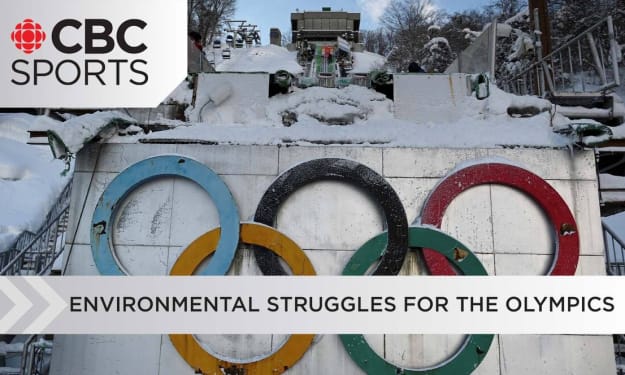
THE ENVIRONMENTAL CHALLENGES OF HOSTING THE OLYMPICS
The Olympic Games, one of the world’s most prestigious sporting events, bring together nations from around the globe to compete in a celebration of athletic excellence and international unity. However, hosting the Olympics comes with a significant set of environmental challenges. From the construction of massive venues and infrastructure to the carbon footprint of international travel, the environmental impact of the Olympics is far-reaching. This article explores the environmental challenges associated with hosting the Olympic Games and the efforts being made to mitigate them.
By Badhan Senabout a year ago in Gamers
THE OLYMPICS AND ITS ROLE IN BRIDGING CULTURAL GAPS
The Olympic Games, with their history spanning over a century, have evolved into one of the most significant global events. What began as a series of athletic competitions in ancient Greece has grown into a worldwide phenomenon, uniting people from diverse cultures, backgrounds, and nations. The modern Olympic Games, first revived in 1896 by Pierre de Coubertin, have been held every four years, bringing together athletes from nearly every corner of the globe to compete in a spirit of friendship, fair play, and mutual respect. Beyond the athletic prowess, the Olympics play a crucial role in bridging cultural gaps and promoting a shared understanding of our common humanity.
By Badhan Senabout a year ago in Gamers
THE OLYMPICS AS A PLATFORM FOR SOCIAL ISSUES AND ADVOCACY
The Olympic Games, a global sporting event that has captivated the world since 1896, have long served as more than just a stage for athletic excellence. Over time, the Olympics have become a powerful platform for athletes and nations to raise awareness about social, political, and human rights issues. While the primary focus of the Games is athletic competition, the international audience and the cultural significance of the event provide athletes with an opportunity to use their platform to address social issues and advocate for change. This essay explores the Olympics as a platform for social issues and advocacy, focusing on the historical context, examples of athlete activism, and the ethical challenges of using the Games for political expression.
By Badhan Senabout a year ago in Gamers
HOW THE OLYMPICS SHAPE NATIONAL IDENTIFY AND PRIDE
The Olympic Games, first held in 1896 in Athens, have evolved into one of the world's most prestigious sporting events, bringing together athletes from across the globe to compete for gold, silver, and bronze. While the primary focus of the Olympics is to celebrate athletic excellence, the Games also serve a larger cultural and social function — notably in shaping national identity and fostering national pride. For many countries, the Olympics become a platform not only to showcase athletic talent but to assert a sense of cultural unity and power on the global stage.
By Badhan Senabout a year ago in Gamers
THE CONTROVERSIAL USE OF BLOOD DOPING IN THE 1980s OLYMPICS
The 1980s witnessed a significant evolution in the world of competitive sports, including the controversial practice of blood doping. While the practice did not become widely publicized until the 1990s, the roots of blood doping can be traced back to the 1980s, particularly during the Olympic Games and other international competitions. Blood doping, which refers to the illegal enhancement of athletic performance by increasing the number of red blood cells in the bloodstream, has remained one of the most controversial topics in sports ethics, with a long history of both advocacy and condemnation. In this essay, we will explore the use of blood doping in the 1980s Olympics, its implications for athletes, the resulting backlash, and its impact on the integrity of competitive sports.
By Badhan Senabout a year ago in Gamers