
THE ECONOMIC IMPACT OF HOSTING THE WINTER OLYMPICS IN CANADA
Assessing the Financial Benefits and Challenges of Winter Games on Local and National Economies.

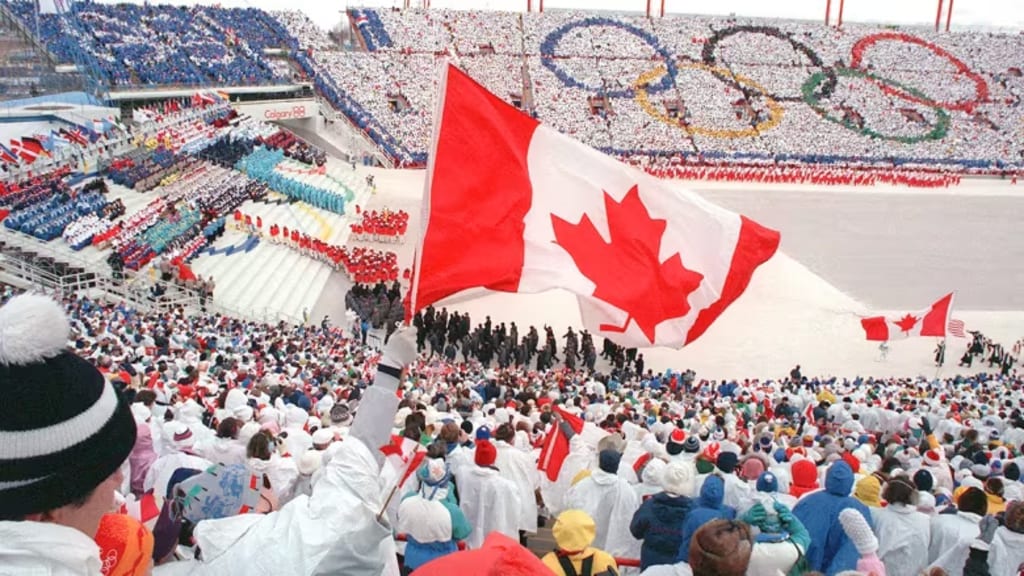
Hosting the Winter Olympics is a prestigious honor for any nation, offering an opportunity to showcase its culture, infrastructure, and hospitality to the world. For Canada, the experience of hosting the Winter Olympics, most notably in Vancouver in 2010, provided a significant opportunity for economic growth, global exposure, and long-term investments. However, while hosting the Games presents numerous potential economic benefits, it also comes with challenges. The following explores both the positive and negative economic impacts of hosting the Winter Olympics in Canada.
Economic Benefits
Boost to Tourism and Hospitality One of the most immediate economic benefits of hosting the Winter Olympics is the tourism boom. The influx of visitors to the host city and surrounding areas generates substantial revenue for local businesses, including hotels, restaurants, retail shops, and transport services. Vancouver, for example, saw a huge surge in visitors during the 2010 Winter Olympics, with over 1.5 million people attending the Games. This resulted in increased demand for accommodations, transportation, and recreational activities.
Tourism revenues often extend beyond the duration of the Games, as the global exposure of the event can attract future tourists interested in visiting the host city. In Vancouver’s case, the post-Olympics legacy continued to attract international visitors, drawn by the city’s newly enhanced infrastructure and global recognition as a premier tourist destination.
Infrastructure Development and Upgrades Hosting the Olympics often leads to significant investments in infrastructure, including sports venues, transportation systems, and other public amenities. Vancouver's preparations for the 2010 Winter Olympics led to the development of several key infrastructure projects. These included the construction of the Canada Line SkyTrain (a rapid transit system linking the airport to downtown), improvements to the Vancouver International Airport, and the renovation of various sports facilities, such as the Richmond Olympic Oval.
These improvements not only supported the success of the Games but also left a lasting legacy that benefits the local economy. The upgraded infrastructure facilitates long-term tourism, business activity, and mobility, boosting productivity in the years following the Games. In addition, these developments often enhance the city's appeal as a potential location for international events, conferences, and business investments.
Job Creation Hosting the Winter Olympics results in the creation of thousands of jobs, both temporary and permanent. The Games require significant staffing in various sectors, including construction, event management, security, and hospitality. In Vancouver, the Olympics directly created over 20,000 jobs during the planning and execution phases, providing employment for both skilled workers and unskilled laborers.
Moreover, the long-term impact on employment comes from the infrastructure developments and enhanced tourism, which create opportunities for job growth in related industries such as transportation, hospitality, and retail. For instance, following the Vancouver Olympics, the city experienced continued demand in sectors like tourism and event hosting, leading to stable employment opportunities for local residents.
Challenges and Costs
High Upfront Costs Hosting the Winter Olympics involves enormous costs, from building venues to ensuring adequate security. Vancouver's 2010 Winter Olympics had an estimated budget of around $1.8 billion CAD. While much of the infrastructure investment contributes to long-term benefits, the initial expenditure can be a heavy financial burden on the city and government.
The costs associated with constructing new facilities, enhancing transport systems, and ensuring that the Games meet international standards often exceed the projected budgets. In some cases, this can lead to government debt or increased taxes in the years following the Games. For Canada, the debate surrounding the actual financial impact of the Games continues, with some critics arguing that the immediate return on investment did not justify the exorbitant costs.
Post-Olympics Utilization of Facilities One of the most common challenges faced by host cities is the utilization of Olympic venues after the Games. While some sports facilities can be converted for use by local residents or professional teams, others face the risk of becoming "white elephants" – underused or abandoned venues that consume maintenance costs without generating revenue. The Whistler Olympic Park, for example, remains a popular location for skiing and tourism, but some venues in Vancouver have struggled with long-term sustainability.
To mitigate this, host cities often focus on creating multi-use venues that can be repurposed for community events, sports, and public activities. However, in some cases, the maintenance costs for these venues can become a burden on local governments if they are not adequately utilized.
Environmental and Social Impact Hosting large-scale events like the Winter Olympics also carries environmental costs. The development of Olympic infrastructure often requires significant land use and construction, leading to potential environmental degradation. For instance, construction in mountainous or environmentally sensitive areas can have negative impacts on local wildlife, water sources, and air quality.
Additionally, there is the risk of social displacement, especially when infrastructure projects lead to the gentrification of neighborhoods or displacement of local residents. Vancouver, for example, faced criticism regarding rising housing prices and the displacement of low-income residents as a result of the rapid development and increased demand during the Olympics.
End
While hosting the Winter Olympics in Canada, particularly in Vancouver, brought substantial economic benefits, it also came with significant challenges. The city saw boosts in tourism, long-term infrastructure development, and job creation, all of which contributed to its continued prosperity. However, the high upfront costs, the utilization of Olympic venues after the Games, and potential environmental and social impacts are critical factors that must be considered.
Ultimately, the economic impact of hosting the Winter Olympics in Canada is a mix of short-term gains and long-term investments. When managed well, the Games can leave a positive legacy; however, careful planning and foresight are essential to ensure that the financial and social benefits outweigh the costs.
About the Creator
Badhan Sen
Myself Badhan, I am a professional writer.I like to share some stories with my friends.
Keep reading
More stories from Badhan Sen and writers in Gamers and other communities.
THE FUTURE OF OLYMPIC VENUES AND SUSTAINABILITY
The Olympic Games have always been a symbol of athletic excellence, cultural exchange, and global unity. However, as the world faces increasing environmental challenges, the future of Olympic venues and their sustainability has become a pressing issue. The development and maintenance of Olympic venues have significant environmental, economic, and social implications. With growing concerns about climate change, resource depletion, and the long-term impact of large-scale infrastructure projects, sustainable practices are now essential in the planning and execution of the Olympic Games. The future of Olympic venues must prioritize sustainability in order to reduce environmental footprints, ensure economic viability, and leave a positive legacy for future generations.
By Badhan Senabout a year ago in Gamers
A Dart at Dusk
Seconds ago, the sullen sun set on the two of us… my exuberant furry companion and me. A fresh breeze embraces us, delivering welcome relief from the day’s oppressive heat. His typical stumbling and staggering along — apace with a sloth — has turned into trip-trapping, high-stepping, almost skipping along.
By Angie the Archivist 📚🪶5 days ago in Petlife



Comments
There are no comments for this story
Be the first to respond and start the conversation.