
THE ENVIRONMENTAL CHALLENGES OF HOSTING THE OLYMPICS
Balancing Prestige with Sustainability:The Environmental Impact of Global Sporting Events

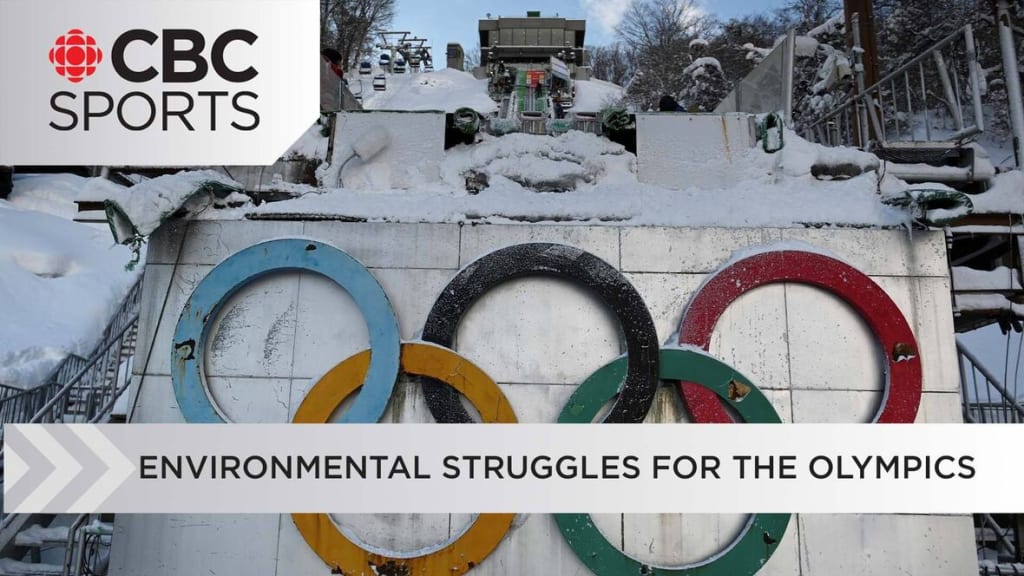
The Olympic Games, one of the world’s most prestigious sporting events, bring together nations from around the globe to compete in a celebration of athletic excellence and international unity. However, hosting the Olympics comes with a significant set of environmental challenges. From the construction of massive venues and infrastructure to the carbon footprint of international travel, the environmental impact of the Olympics is far-reaching. This article explores the environmental challenges associated with hosting the Olympic Games and the efforts being made to mitigate them.
Construction and Infrastructure Development
One of the most significant environmental challenges of hosting the Olympics is the construction of new venues and infrastructure. To accommodate the influx of athletes, tourists, and media, host cities must build sports stadiums, Olympic villages, transportation networks, and other facilities. While this often leads to urban regeneration and improved infrastructure, the environmental cost can be substantial.
The construction process requires significant amounts of raw materials, including concrete, steel, and wood, all of which contribute to resource depletion. Additionally, the construction of massive buildings and facilities often leads to land degradation, deforestation, and disruption of local ecosystems. For example, the 2008 Beijing Olympics led to the construction of the Bird's Nest Stadium, which required the destruction of local green spaces.
Once the Games are over, many of these facilities remain unused or underused, contributing to the problem of "white elephants." These expensive, large-scale buildings can become abandoned or repurposed for purposes that do not justify the environmental costs of their construction. For instance, after the Athens 2004 Olympics, many venues were left to decay, a stark reminder of the unsustainable nature of Olympic infrastructure.
Energy Consumption and Carbon Emissions
Hosting the Olympics results in a sharp increase in energy consumption, which can exacerbate the host city’s carbon footprint. The energy required to power Olympic venues, lighting for events, media broadcasts, and the transport infrastructure is immense. The London 2012 Olympics, for example, consumed vast amounts of electricity, much of which came from non-renewable sources.
Moreover, the large-scale construction and operation of Olympic venues contribute to high levels of carbon emissions. From the manufacturing and transportation of building materials to the energy used during the Games, the environmental impact can be significant. In terms of carbon emissions alone, the London 2012 Olympics generated an estimated 3.3 million tons of CO2, which is comparable to the emissions produced by a medium-sized city over a year.
Transportation of athletes, spectators, and officials from around the world to the host city adds to the carbon burden. The emissions from airplanes, buses, trains, and cars used during the Games create a substantial environmental footprint. This is particularly problematic as international air travel is one of the largest sources of greenhouse gas emissions globally.
Waste Generation
The Olympics generate enormous amounts of waste, including packaging materials, food waste, disposable products, and construction debris. Catering for tens of thousands of athletes, officials, and spectators, the event generates significant quantities of waste, much of which is non-recyclable. For example, the 2008 Beijing Olympics produced around 120,000 tons of waste, a figure that includes construction waste, spectator rubbish, and food waste.
Efforts to reduce waste during the Games include initiatives like recycling programs, waste sorting, and using sustainable materials for packaging and signage. However, the sheer scale of the event often makes it difficult to fully manage and minimize waste. Additionally, post-Olympic disposal of unused merchandise and construction materials can lead to landfills becoming overloaded with non-recyclable waste.
Water Use and Pollution
Water usage is another significant environmental challenge. The construction of new venues, Olympic villages, and sports complexes requires large amounts of water for both building and operational purposes. The 2008 Beijing Olympics, for example, faced criticism for the massive amount of water used in the construction of new facilities, despite China’s ongoing struggles with water scarcity.
Once the Games begin, water consumption continues to rise as athletes, staff, and spectators require water for drinking, sanitation, and cooling. Water pollution is also a concern, particularly in cities where sewage and industrial waste management systems are underdeveloped. In 2004, the Athens Olympics were plagued by concerns about water pollution in the nearby sea and river systems, impacting local ecosystems.
Biodiversity and Ecosystem Impact
The environmental impact of the Olympics can also have serious implications for local biodiversity and ecosystems. The construction of venues and infrastructure often requires the clearing of natural habitats, disrupting local flora and fauna. For example, the 1992 Barcelona Olympics led to the destruction of local wetlands to build the Olympic Village and other facilities, resulting in a loss of biodiversity in the area.
In some cases, the Olympic Games have been held in areas with fragile ecosystems or areas of natural beauty. The Rio 2016 Olympics, for example, took place in a city home to the world-renowned Tijuca Forest, one of the largest urban rainforests. The expansion of the city’s infrastructure for the Games contributed to environmental degradation in and around the forest.
Sustainability Initiatives and Solutions
In response to these environmental challenges, there has been a growing emphasis on sustainability in the planning and execution of the Olympic Games. The International Olympic Committee (IOC) has taken steps to make the Games more sustainable, including:
Sustainable construction practices, such as the use of recyclable materials and energy-efficient buildings.
Carbon offset programs to mitigate the environmental impact of travel and energy use.
Green transportation solutions, including electric buses and improved public transport systems to reduce the carbon footprint of travel during the Games.
Waste management programs that encourage recycling and composting.
For example, the Tokyo 2020 Olympics aimed to be the most sustainable Games to date, with initiatives such as using recycled materials for the athletes’ podiums, employing renewable energy sources, and creating a circular economy for waste management.
End
The environmental challenges of hosting the Olympics are considerable, but with careful planning and a focus on sustainability, the negative impact can be mitigated. The Games offer an opportunity to promote eco-friendly practices and inspire host cities and nations to adopt more sustainable models of development. As global attention continues to focus on environmental issues such as climate change, future Olympic Games will likely continue to evolve towards greener, more sustainable practices, ensuring that the celebration of sports does not come at the cost of the planet.
About the Creator
Badhan Sen
Myself Badhan, I am a professional writer.I like to share some stories with my friends.
Keep reading
More stories from Badhan Sen and writers in Gamers and other communities.
THE OLYMPIC GAMES AND THE ROLE OF SOCIAL MEDIA
The Olympic Games are one of the most celebrated global events, bringing together athletes from around the world to compete in various sports. The Games have a long-standing history, with roots dating back to ancient Greece, where the first Olympic Games were held in 776 BCE. Today, the modern Olympics have grown into a massive international event that is not only a celebration of athletic achievement but also a powerful platform for cultural exchange and national pride. In the 21st century, the role of social media in shaping the way the Olympics are experienced, shared, and consumed has been revolutionary. This essay explores how social media has transformed the Olympic Games, providing unprecedented access, engagement, and influence on the global stage.
By Badhan Senabout a year ago in Gamers
20 Horror Game Masterpieces to Play Before You Die
Horror games have a unique ability to evoke fear and adrenaline, making them a beloved genre among gamers. However, there are some horror video games that will blow your mind, and you should play them to experience the sensations they offer. For this reason, I asked the AI about the best horror video games available, since I find it difficult to choose among so many options.
By Ninfa Galeano5 days ago in Gamers
Thief In The Night
To the thief in the night that took and replicated what once was mine: Honestly, I feel kind of bad for you. It’s funny, because we hardly know each other. I only know of you through the magazines you’ve written and the broadcasts you have televised in the past — as well as through the public mentions of you from your show business connections there.
By Snarky Lisa7 days ago in Humans




Comments (1)
We should all strive to do this even if there is no Olympics in your country. Great article.