
THE OLYMPICS AND ITS ROLE IN BRIDGING CULTURAL GAPS
Fostering Global Unity and Understanding Through Sport

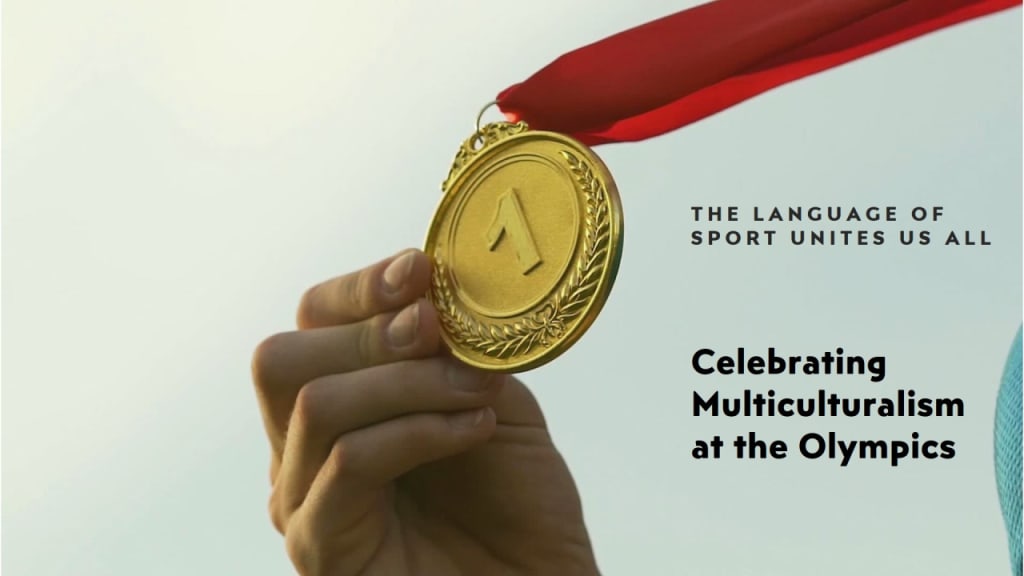
The Olympic Games, with their history spanning over a century, have evolved into one of the most significant global events. What began as a series of athletic competitions in ancient Greece has grown into a worldwide phenomenon, uniting people from diverse cultures, backgrounds, and nations. The modern Olympic Games, first revived in 1896 by Pierre de Coubertin, have been held every four years, bringing together athletes from nearly every corner of the globe to compete in a spirit of friendship, fair play, and mutual respect. Beyond the athletic prowess, the Olympics play a crucial role in bridging cultural gaps and promoting a shared understanding of our common humanity.
Celebrating Cultural Diversity
At its core, the Olympic Games represent the convergence of diverse cultures and values. With athletes from over 200 countries participating in events, the Olympics are a platform where different traditions, languages, and customs coexist, even if only for a short period. The opening ceremony itself is a global celebration, often showcasing elements of the host nation's culture while acknowledging the richness of the participating countries.
One of the key aspects of the Olympics is its ability to promote cultural exchange. Athletes from various backgrounds not only bring their skills to the competition but also their unique stories and perspectives. The athletes' personal journeys often reflect the cultural landscapes from which they come, whether it’s the discipline of Japanese martial arts, the rhythmic beauty of Brazilian samba, or the determination of Kenyan marathon runners. These representations allow viewers from around the world to experience and appreciate diverse cultures firsthand, fostering mutual respect and understanding.
Moreover, the Olympic Village, where athletes from different nations stay and interact, becomes a microcosm of the world’s cultural diversity. Athletes from opposing countries or different religious and ethnic backgrounds have the opportunity to engage in daily interactions, exchange ideas, and learn from one another. Such exchanges can break down stereotypes and foster global solidarity, helping individuals realize that, despite differences in appearance, language, or customs, we all share similar aspirations and dreams.
The Power of Sport in Uniting People
Sport has an unparalleled ability to unite people across cultural and national lines. The Olympics, in particular, exemplify this power. While the competitive nature of the Games undoubtedly fuels intense rivalries, the spirit of the Olympics encourages sportsmanship and respect. Athletes competing for their countries may express patriotism and national pride, but the Olympics are designed to transcend political and cultural divisions by emphasizing the values of fair competition and mutual respect.
The concept of the Olympic Truce is an excellent example of the Games' potential to bring peace. First established in ancient Greece, the Olympic Truce called for a cessation of hostilities during the Games. In modern times, the International Olympic Committee (IOC) has continued to advocate for peace through the truce, encouraging nations in conflict to temporarily halt violence and participate in the shared spirit of sport. Though not always fully adhered to, the truce remains a powerful symbol of the potential for sports to encourage diplomacy and cooperation.
Additionally, the Olympics provide a platform for minority and underrepresented cultures to gain global attention. For instance, in the 1960 Rome Olympics, Wilma Rudolph became the first American woman to win three gold medals in a single Olympics, breaking barriers for African-American women in sports. Similarly, the 1972 Munich Olympics featured the first-ever female Olympians from the Middle East. These moments not only brought attention to individuals but also to the broader social and cultural contexts they represented.
Overcoming Political and Social Divisions
The Olympics have often acted as a stage for overcoming political and social divisions. During the Cold War, for instance, the Olympics became a battleground for ideological competition between the Soviet Union and the United States. While the rivalry sometimes led to boycotts, the Games also provided opportunities for peaceful interaction, with athletes from both sides showing respect and admiration for each other's abilities. The 1972 Munich Olympics, despite the tragic terrorist attack, also marked a moment of unity when athletes from different parts of the world stood together in mourning.
In recent years, the Olympics have continued to reflect global shifts, with nations often setting aside political differences for the duration of the Games. The 2008 Beijing Olympics and the 2012 London Olympics were events where countries from every region of the world came together to celebrate human achievement. In particular, the 2008 Beijing Games showcased China’s rising global influence, while also presenting an opportunity for the world to engage with Chinese culture in new and exciting ways.
The Role of the Media in Promoting Cultural Understanding
The media plays a crucial role in bridging cultural gaps during the Olympics. Through global television broadcasts, online streaming, and social media, the Olympics reach millions of viewers across different continents. This widespread coverage not only focuses on athletic achievements but also highlights cultural traditions, stories of perseverance, and the personal lives of athletes. By sharing such stories, the media helps to humanize athletes and break down cultural barriers, allowing viewers to connect with competitors beyond their national identities.
Furthermore, the Olympics provide a platform for global conversations about social issues, from gender equality to racial justice. The media coverage often highlights these topics, raising awareness and encouraging dialogue across cultural lines. For example, the Black Lives Matter movement gained visibility during the 2020 Tokyo Olympics when athletes like Gwen Berry and Tommy Smith used their platforms to advocate for racial equality. Such actions show that the Olympics are not only a celebration of sport but also an opportunity to address pressing cultural and social issues on a global stage.
End
The Olympic Games are far more than just a sporting event. They are a symbol of humanity's ability to come together, transcending cultural, political, and social barriers. By celebrating cultural diversity, fostering sportsmanship, and encouraging global cooperation, the Olympics play a pivotal role in bridging cultural gaps and promoting mutual respect among nations. While challenges still exist, the Olympics remind us that, through sport, we can embrace our differences, celebrate our shared humanity, and work towards a more peaceful and connected world.
About the Creator
Badhan Sen
Myself Badhan, I am a professional writer.I like to share some stories with my friends.
Keep reading
More stories from Badhan Sen and writers in Gamers and other communities.
THE OLYMPICS AND ITS IMPACT ON URBAN DEVELOPMENT IN HOST CITIES
The Olympic Games, one of the most prestigious global sporting events, have a profound impact on the host cities, going beyond sports to influence urban development, infrastructure, and socio-economic growth. While the games are an opportunity to showcase national pride and attract international attention, their impact on urban development is a complex interplay of benefits and challenges.
By Badhan Senabout a year ago in Gamers
Dominating with Dual-Wield Pistols in CoD BO7: Tips That Work
Dual-wield pistols have always had a place in Call of Duty, but in Black Ops 7 they feel sharper, faster, and more dangerous than before. With the right setup and mindset, running akimbo pistols is no longer just for flashy clips. It is a real option for close-range control, fast pushes, and aggressive objective play. Players who understand how these weapons behave can turn tight spaces into their own territory and force enemies to fight on uncomfortable terms.
By Smsankar Goswamiabout 17 hours ago in Gamers



Comments (1)
The Olympics are in theory supposed to bring all people together, but it seems there will always be some sort of issue or problem somehow that affects them. Good work.