
THE OLYMPICS AND THE GROWTH OF PARALYMPIC SPORTS
From the Ancient Games to Modern Inclusion:The Journey of the Paralympic Movement.

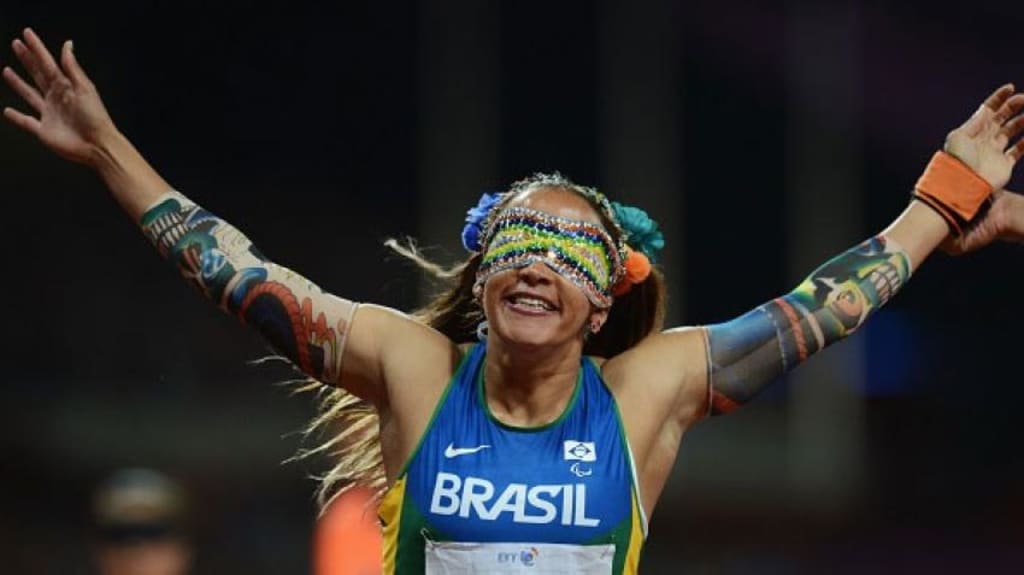
The Olympic Games and the Paralympic Games have long been associated with international competition, showcasing athleticism, national pride, and the pursuit of excellence. However, the development of the Paralympic Games and their relationship with the Olympics represents a unique journey of inclusion, progress, and societal transformation. Over the years, the Paralympics have not only expanded in terms of scope, participation, and viewership but have also played a vital role in breaking down barriers for athletes with disabilities.
The Origins of the Paralympic Games
The roots of the Paralympic Games can be traced back to the post-World War II era, when a British physician named Sir Ludwig Guttmann began organizing sports competitions for war veterans with spinal injuries. In 1948, Guttmann hosted the first organized competition at Stoke Mandeville Hospital in England, featuring athletes with physical disabilities. This event is widely considered to be the precursor to the Paralympic Games. Over the years, the competition expanded, and in 1960, the first official Paralympic Games were held in Rome, Italy, with 400 athletes from 23 countries participating. The growth of the Paralympics was gradual but monumental, as it transitioned from a small-scale event for war veterans to a global competition for athletes with a range of disabilities.
The Relationship Between the Olympics and Paralympics
The relationship between the Olympics and Paralympics is a complex one, marked by both cooperation and distinction. The Olympic Games, first held in 1896, are the premier international sporting event for athletes without disabilities, while the Paralympic Games have evolved into the primary platform for athletes with disabilities. The International Olympic Committee (IOC) and the International Paralympic Committee (IPC) have worked together to ensure that the Paralympics are integrated into the broader sporting calendar, but the two events are separate in their organization and management.
Since the 1988 Summer Olympics in Seoul, the Paralympic Games have been held in the same host cities, immediately following the Olympic Games. This collaboration has significantly contributed to the visibility and legitimacy of the Paralympics. The Olympics and Paralympics now share a close connection in terms of infrastructure, media coverage, and sponsorships, which has helped elevate the profile of disabled athletes worldwide.
Growth of the Paralympic Games
The Paralympic Games have grown remarkably over the years, with participation and viewership increasing significantly. Initially, the Paralympics were limited to athletes with specific physical disabilities, but today, the Games include athletes with a variety of disabilities, including visual impairments, amputations, cerebral palsy, and intellectual disabilities.
In 1960, there were just 400 athletes from 23 countries participating in the first official Paralympics. By the 2016 Summer Paralympics in Rio de Janeiro, over 4,300 athletes from 160 countries participated, competing in 22 sports. The growth in both the number of athletes and countries represented is a testament to the increasing recognition and importance of the Paralympic Games in the global sporting landscape.
In addition to the expansion of participation, the sports included in the Paralympics have also evolved. New events and classifications have been introduced to accommodate a wider range of disabilities, allowing more athletes to compete. The introduction of wheelchair basketball, para-swimming, para-athletics, and para-cycling, among others, has provided athletes with opportunities to showcase their skills and compete at the highest level.
Media Coverage and Sponsorship
A significant factor in the growth of the Paralympic Games has been the increase in media coverage. While the Olympics have long been a media spectacle, the Paralympics struggled for attention in the past. However, in recent years, there has been a marked improvement in the visibility of the Paralympic Games, largely thanks to partnerships with media organizations, improved broadcasting technology, and social media platforms. The increased media attention has brought Paralympic athletes into the public eye, highlighting their achievements and inspiring people around the world.
Sponsorship has also played a crucial role in the growth of Paralympic sports. Corporate sponsors, who have traditionally focused on the Olympics, are increasingly supporting the Paralympic Games as well. This financial backing has led to better facilities, higher-quality events, and more opportunities for athletes with disabilities to receive recognition and support.
Social Impact and Advocacy
The growth of the Paralympic Games has had a profound impact on societal attitudes toward individuals with disabilities. As athletes with disabilities showcase their abilities on the world stage, they challenge stereotypes and break down barriers. The visibility of disabled athletes has contributed to increased awareness and acceptance of disability in society. Additionally, the Paralympic Games have promoted discussions about accessibility, inclusion, and equity, encouraging countries to invest in better infrastructure, accessible facilities, and inclusive policies.
The Paralympic Games also serve as a platform for advocating for the rights of people with disabilities. Through the global attention garnered by the Games, important issues such as accessibility, education, healthcare, and employment for people with disabilities have been brought to the forefront of international discussions.
End
The growth of the Paralympic Games is a remarkable success story, marked by increasing participation, visibility, and recognition. From its humble beginnings in the 1940s to its present status as a major global sporting event, the Paralympic Games have evolved into a powerful symbol of resilience, talent, and determination. The close relationship between the Olympics and the Paralympics has helped elevate the profile of athletes with disabilities and further emphasized the importance of inclusivity in sports. As the Paralympic Games continue to grow, they will undoubtedly inspire future generations of athletes and serve as a reminder of the power of sport to transcend physical limitations and unite the world.
About the Creator
Badhan Sen
Myself Badhan, I am a professional writer.I like to share some stories with my friends.
Keep reading
More stories from Badhan Sen and writers in Gamers and other communities.
MENTAL HEALTH AWARENESS IN OLYMPIC ATHLETES
The world of Olympic athletics is often perceived as one of physical and mental perfection, with athletes who seem invincible in their pursuit of gold, glory, and records. However, behind the shining moments of victory and fame lies a different reality: athletes, like anyone else, face mental health challenges. The immense pressure, the grueling physical demands, and the intense public scrutiny can have a significant impact on their mental well-being. In recent years, there has been a growing awareness of mental health issues among Olympic athletes, and the conversation around mental health has evolved significantly.
By Badhan Senabout a year ago in Gamers
Dodgers
The Los Angeles Dodgers have long been one of the most influential franchises in MLB, known for combining elite player development with the financial flexibility to pursue top-tier talent. From consistent postseason appearances to being counted among recent World Series winners, the Dodgers continue to shape league-wide conversations. As the new season approaches, Dodgers news is once again dominated by roster construction, payroll discussions, and persistent MLB trade rumors—especially those surrounding Kyle Tucker. The Dodgers’ Identity in Modern MLB Few teams balance tradition and innovation quite like the LA Dodgers. Their front office has mastered analytics while still valuing star players who can deliver in October. The current Dodgers roster reflects that philosophy, blending established veterans with emerging talent. Over the years, names like Cody Bellinger have defined eras of success, while new possibilities continue to fuel speculation. The Dodgers’ ability to remain competitive is also tied to their willingness to maintain a high Dodgers payroll. While they are not reckless spenders, they are strategic—targeting players who can elevate both performance and brand value. Kyle Tucker and Why He Fits the Dodgers Narrative Among the most discussed names in recent MLB rumors is Kyle Tucker. A consistent offensive presence and reliable defender, Tucker has emerged as one of the most complete players in modern baseball. Naturally, that has led to growing interest in a potential Kyle Tucker Dodgers scenario. So, what position does Kyle Tucker play? Tucker is primarily a right fielder, though his athleticism allows flexibility across the outfield. That versatility makes him especially attractive to teams like the Dodgers, who value adaptable Dodgers outfielders capable of handling high-pressure situations. The phrase “Tucker baseball” has become shorthand for a balanced skill set: power, patience, and postseason reliability. It’s no surprise that Kyle Tucker news often trends alongside big-market teams. Contracts, Agents, and the Cost of Stardom Any serious discussion of Tucker to Dodgers inevitably leads to contract considerations. The idea of a Kyle Tucker contract Dodgers deal raises questions about years, value, and long-term impact. While no official Kyle Tucker deal has been announced, speculation continues around what such a move would require. The Kyle Tucker agent would likely prioritize both financial security and a winning environment—two things the Dodgers can credibly offer. Still, committing to a potential Kyle Tucker Dodgers contract would require careful planning, especially with other stars already on the books. Misspellings like kyle.tucker, kyle tuxker, or even kyke tucker frequently appear in online searches, underscoring just how much attention surrounds him across the baseball world. How Tucker Could Shape the Dodgers Lineup If a Dodgers Tucker scenario ever materializes, it would have a major impact on the Dodgers lineup. A projected middle-of-the-order bat like Tucker could slot seamlessly into a Dodgers projected lineup, offering protection for existing stars and adding depth in late-game situations. Comparisons have been drawn between Tucker and former Dodgers standouts like Bellinger, particularly in terms of two-way impact. While Cody Bellinger brought elite defense and timely power, Tucker offers a more consistent offensive profile year over year. Competition From the Mets and Other MLB Teams Of course, the Dodgers are not alone in pursuing elite talent. The NY Mets, backed by owner Steve Cohen, have made it clear they are willing to spend aggressively. Mets news often mirrors Dodgers news, especially when it comes to top-tier MLB free agents and trade targets. Names like Edwin Diaz and Bo Bichette frequently appear in league-wide discussions, highlighting how interconnected roster decisions have become. Any move involving Tucker would likely ripple across the league, influencing strategies for teams like the Mets, who remain active in both free agency and trades. MLB Trade Rumors and the Bigger Picture Sites such as MLBTradeRumors regularly analyze scenarios involving Kyle Tucker to Dodgers, though nothing has been confirmed. These rumors reflect a broader truth: elite players drive conversation, even when deals never materialize. The Dodgers understand that not every rumor becomes reality. Still, being linked to players like Tucker reinforces the team’s image as a perennial contender. Whether through trades or internal development, the goal remains the same—build a roster capable of winning another championship. Looking Ahead: What This Means for the Dodgers As the season unfolds, the Dodgers will continue to evaluate opportunities that align with their long-term vision. The idea of Dodgers Kyle Tucker is compelling, but it’s only one chapter in a much larger story about sustained excellence. With a deep farm system, financial flexibility, and a proven track record, the Los Angeles Dodgers remain at the center of MLB news. Whether or not Tucker ever wears Dodger blue, the conversations surrounding him highlight how the franchise continues to influence the direction of the league. In the end, the Dodgers’ success has never hinged on a single move. It’s about smart decisions, calculated risks, and an unwavering commitment to winning—qualities that keep them relevant, respected, and always worth watching.
By Saboor Brohi 3 days ago in Gamers
Marvel Rivals Patch Notes: Season 6 "Night at the Museum" - Full Breakdown, Deadpool Abilities, and Hero Buffs
The wait is almost over! NetEase Games has finally pulled back the curtain on the next massive update for its hit superhero shooter. If you’ve been searching for the latest Marvel Rivals patch notes, you’re in the right place. Season 6, titled "Night at the Museum," is officially set to launch on January 16, 2026, and it’s bringing the Merc with a Mouth along for the ride.
By Info Post Gate6 days ago in Gamers



Comments (1)
It is a great thing that physically and mentally handicapped people/athletes can participate in these games. Good article.