
HOW CITIES BID FOR THE OLYMPICS:A STEP-BY-STEP OVERVIEW
Understanding the Complex Process and Strategies Behind Olympic Bidding.

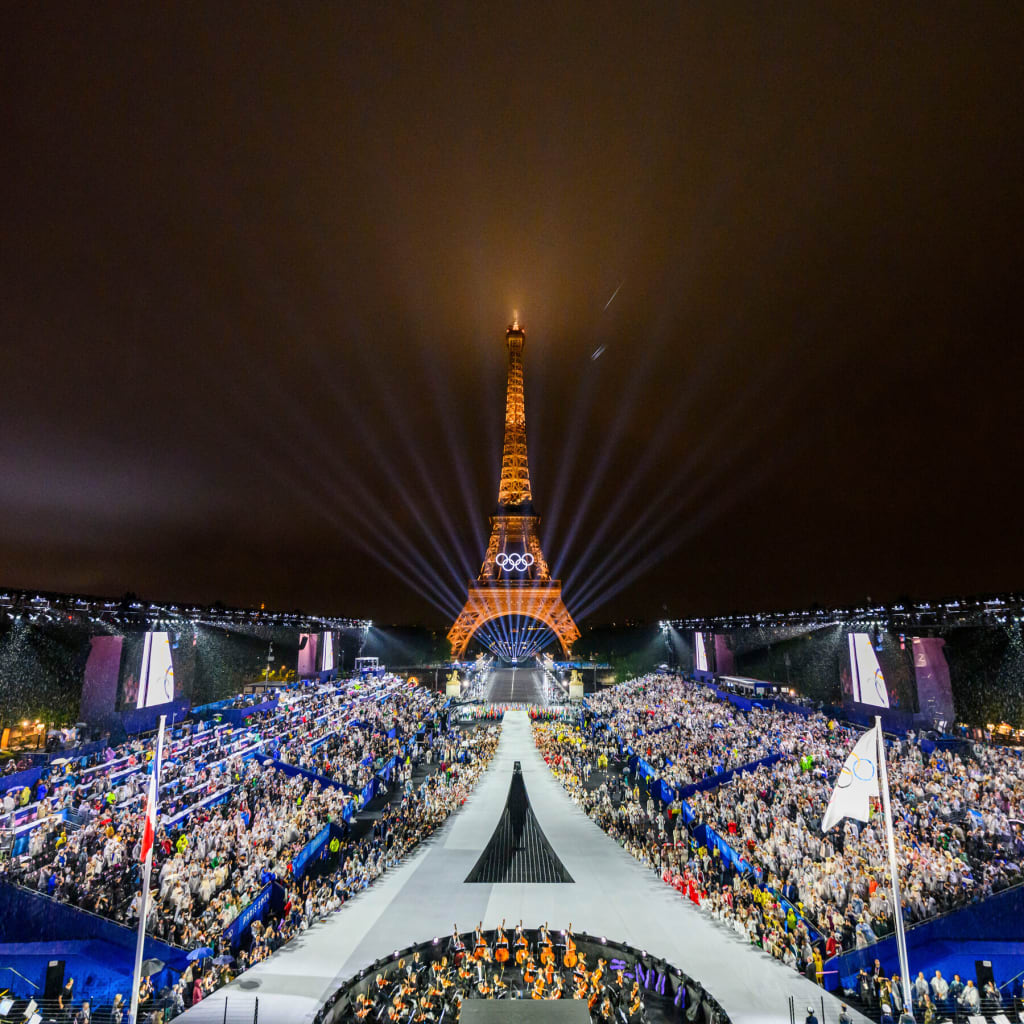
Bidding for the Olympic Games is a complex and highly competitive process that requires a city to demonstrate its ability to host one of the world's most prestigious sporting events. The International Olympic Committee (IOC) oversees the entire bidding process, which takes years of preparation, strategic planning, and negotiation. The city selected to host the Olympics is responsible for building new infrastructure, ensuring security, and providing an unforgettable experience for athletes and spectators alike. Here’s a step-by-step overview of how cities bid for the Olympics.
Expression of Interest and Initial Application
The Olympic bidding process typically begins several years before the Games are set to take place. Cities that are interested in hosting the Olympics must first submit an Expression of Interest (EOI) to the IOC. This is a preliminary application that signals the city’s intent to bid and gives the IOC an understanding of which cities are serious contenders.
At this stage, the city government and various stakeholders, such as sports organizations, local businesses, and community groups, begin to assess the feasibility of hosting the Games. This involves looking at the financial, logistical, and infrastructure requirements, including the construction of sports venues, accommodation facilities, and transportation networks.
Candidature Process
Once a city’s Expression of Interest is accepted by the IOC, it must submit a Candidature File. This is a comprehensive document that outlines the city's plans to host the Games, including:
Detailed infrastructure plans: Proposed sites for sports venues, transportation systems, and accommodations.
Environmental sustainability: Plans for reducing the environmental impact of the Games, including waste management, energy efficiency, and the use of renewable resources.
Security measures: Protocols for ensuring the safety of athletes, visitors, and the local population.
Economic projections: A budget for hosting the Games, including expected revenue from ticket sales, sponsorships, broadcasting rights, and tourism, as well as anticipated costs for infrastructure and operations.
Social impact: How the Games will benefit the local community, including job creation, urban regeneration, and promoting sports.
In this phase, the bidding city also begins to engage with the public and key stakeholders, showcasing the positive impact the Games will have on the city and nation. The IOC uses these documents to assess the feasibility, commitment, and readiness of each city.
Evaluation Commission Visit
After receiving the Candidature Files, the IOC forms an Evaluation Commission, which visits each bidding city to assess its readiness to host the Games. The Evaluation Commission evaluates factors such as:
Venue and infrastructure readiness: The Commission examines proposed sports venues, transportation infrastructure, and accommodations.
Government support: The IOC wants assurance that the local government is committed to providing the financial and logistical support necessary to host the Games.
Legacy plans: The IOC evaluates how the Games will benefit the city in the long term, including infrastructure development, economic growth, and the promotion of sports and culture.
Public opinion: Public support is vital, as hosting the Olympics involves significant costs and can impact residents’ lives.
After the visit, the Evaluation Commission produces a detailed report that highlights the strengths and weaknesses of each bidding city.
The Vote
The final decision on which city will host the Olympics is made through a vote by the IOC Session, which is composed of all IOC members. The IOC members meet and cast their votes in a secret ballot, with the city receiving the most votes being awarded the right to host the Games.
The voting process can be intense, as cities often engage in extensive lobbying and negotiations to secure the support of IOC members. The final vote typically involves multiple rounds, and if no city receives a majority in the first round, the city with the least number of votes is eliminated, and a new round of voting takes place.
The vote can be influenced by various factors, including:
IOC members’ personal preferences: Some members may have ties to particular cities or countries, which can sway the vote.
Political considerations: Geopolitical factors and the desire for the Olympics to be held in different parts of the world may influence the outcome.
Previous Olympic success: Cities with a history of successful Olympic bids or those with a strong reputation for hosting major international events may have an advantage.
Post-Vote and Preparations
Once the vote is concluded and the host city is announced, the city officially begins preparations for the Games. This phase involves:
Infrastructure development: Constructing sports venues, accommodation facilities, and transportation networks.
Ticket sales and marketing: Promoting the Games to spectators worldwide and securing sponsorship deals.
Security planning: Ensuring that safety measures are in place to protect athletes and visitors.
Cultural and social programs: Organizing events and activities that engage the local community and visitors, showcasing the host city's culture and heritage.
This preparation phase can take several years, and the city must constantly adapt to changing circumstances, such as shifts in political leadership, economic conditions, or unforeseen events like natural disasters or pandemics.
End
Bidding for the Olympics is a long and complex process that involves careful planning, significant financial investments, and political maneuvering. The city that wins the bid must be ready to meet the expectations of the IOC and the global community. Successfully hosting the Games can leave a lasting legacy, transforming the city in terms of infrastructure, economy, and cultural influence. However, the process is highly competitive, with each city vying to show that it can provide the most exciting, safe, and memorable Olympic experience.
About the Creator
Badhan Sen
Myself Badhan, I am a professional writer.I like to share some stories with my friends.
Keep reading
More stories from Badhan Sen and writers in Gamers and other communities.
THE POLITICAL AND SOCIAL CLIMATE AROUND THE 1936 BERLIN OLYMPICS
The 1936 Berlin Olympics, officially known as the XI Olympiad, were held in Nazi Germany, under the rule of Adolf Hitler and the Nazi regime. These games were deeply intertwined with the political and social climate of the time, serving as a platform for Nazi propaganda, and representing a critical moment in the lead-up to World War II. The political and social environment surrounding the event reveals much about the manipulation of sports for ideological purposes and the broader global tensions of the era.
By Badhan Senabout a year ago in Gamers




Comments (1)
This would be great for a graduate student in Economics for a dissertation covering the economic, political, social and even educational aspects of such a proposal. Great work.