
MENTAL HEALTH AWARENESS IN OLYMPIC ATHLETES
Breaking the Silence:Addressing the Mental Health Challenges Faced by Elite Athletes.

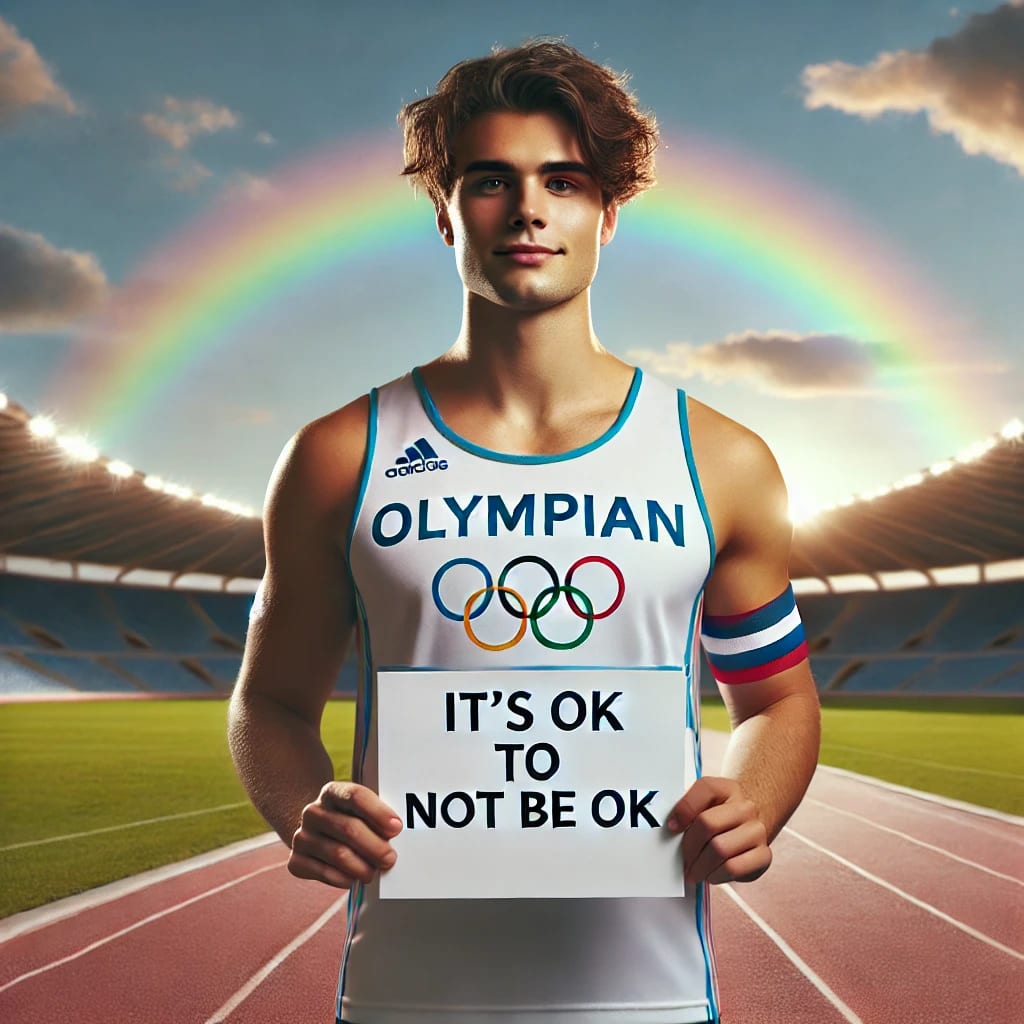
The world of Olympic athletics is often perceived as one of physical and mental perfection, with athletes who seem invincible in their pursuit of gold, glory, and records. However, behind the shining moments of victory and fame lies a different reality: athletes, like anyone else, face mental health challenges. The immense pressure, the grueling physical demands, and the intense public scrutiny can have a significant impact on their mental well-being. In recent years, there has been a growing awareness of mental health issues among Olympic athletes, and the conversation around mental health has evolved significantly.
(I)The Pressure of the Olympics
The Olympics represent the pinnacle of athletic achievement. Athletes train for years, often dedicating their entire lives to a single competition. The weight of national pride, the expectation of fans, and the desire to perform at the highest level can create a pressure cooker environment that takes a toll on mental health.
Research suggests that high-performing athletes often face stress, anxiety, depression, and burnout, which are exacerbated by the public and media expectations surrounding them. The fear of failure, the need to be perfect, and the constant comparison to peers can contribute to a sense of isolation and self-doubt. Furthermore, many athletes struggle with a loss of identity once their careers end, as their sense of self is often closely tied to their athletic achievements.
(II)Athletes Speaking Out
Historically, mental health in the realm of athletics has been stigmatized. There was a time when mental toughness was considered synonymous with emotional resilience, and seeking help was seen as a sign of weakness. However, this mindset has shifted significantly in recent years, especially as several prominent Olympic athletes have openly discussed their struggles with mental health.
One of the most significant moments in the conversation about mental health in sports came during the Tokyo 2020 Olympics when gymnast Simone Biles withdrew from several events, citing her mental health as the reason. Biles admitted to struggling with the “twisties,” a mental block that caused her to lose her sense of spatial awareness during routines. Her decision to prioritize her mental well-being over competition shocked the world but also sparked a much-needed conversation on the topic. Many praised Biles for her courage and transparency, while others criticized her. Nonetheless, her stance helped shift the narrative, emphasizing that mental health is just as important as physical health.
Similarly, tennis star Naomi Osaka withdrew from the French Open in 2021 after revealing her struggles with depression and anxiety. Osaka's decision to take a break from competing, as well as her openness about her mental health challenges, was widely discussed in the media and brought greater visibility to the issue. These actions by Biles, Osaka, and others have helped normalize mental health struggles and foster a supportive environment for athletes to seek help.
(III)The Role of Social Media and Public Scrutiny
The rise of social media has brought both positive and negative impacts on athletes' mental health. On one hand, social media allows athletes to connect with their fans and share their journeys, but on the other hand, it subjects them to intense scrutiny and criticism. The public’s expectation for athletes to be perfect—both on and off the field—can lead to overwhelming stress. Online trolling, body shaming, and cyberbullying are prevalent, and many athletes report feeling immense pressure to maintain a certain image or persona.
For example, gymnast Aly Raisman and swimmer Michael Phelps have both spoken about the mental health challenges they faced while competing at the highest level. Raisman has openly discussed her battle with anxiety and eating disorders, while Phelps, often seen as one of the greatest Olympians of all time, has talked about his struggles with depression and suicidal thoughts.
These athletes' willingness to speak out has helped bring the issue of mental health to the forefront of Olympic sports, shedding light on the struggles faced by those at the peak of their careers.
(IV)Support Systems and Resources for Athletes
As awareness grows, more resources and support systems are being put in place to help athletes manage their mental health. Many Olympic teams now have mental health professionals as part of their staff, and psychological counseling and therapy are becoming more accessible. Additionally, organizations such as the International Olympic Committee (IOC) and national sports bodies have started to recognize the importance of mental health care for athletes, ensuring that there is support not only during competitions but throughout their careers.
In 2021, the International Olympic Committee (IOC) introduced new guidelines to support athletes' mental health. These guidelines focus on providing access to mental health services, raising awareness of mental health issues, and promoting a culture of openness. The IOC’s Mental Health Guidelines acknowledge the importance of mental health as a key part of an athlete’s overall well-being and emphasize that a holistic approach to athlete care is crucial.
(V)The Way Forward: Prioritizing Mental Health
Despite the progress made, there is still much to be done to prioritize mental health in the world of elite sports. More resources are needed to ensure that athletes have access to professional support, particularly when they face mental health challenges outside of competition seasons. Training coaches and management staff to recognize signs of mental distress and providing athletes with coping strategies for handling stress are essential steps toward a more supportive environment.
In addition, there needs to be a continued effort to de-stigmatize mental health struggles. Encouraging open dialogues about mental health and offering platforms where athletes can speak without fear of judgment will help create a culture where mental well-being is treated with the same importance as physical health.
End
Mental health awareness among Olympic athletes has come a long way in recent years, but there is still work to be done. The personal stories shared by athletes like Simone Biles, Naomi Osaka, Michael Phelps, and others have sparked critical conversations that challenge long-standing stigmas about mental health in sports. As the Olympic movement continues to evolve, it is crucial to continue supporting athletes' mental well-being and ensure they have the resources they need to thrive both physically and mentally. By prioritizing mental health, we can create an environment where athletes are empowered to perform at their best and lead fulfilling, balanced lives.
About the Creator
Badhan Sen
Myself Badhan, I am a professional writer.I like to share some stories with my friends.
Keep reading
More stories from Badhan Sen and writers in Gamers and other communities.
THE RETURN OF BASEBALL IN 2020 TOKYO OLYMPICS
Baseball made its highly anticipated return to the Tokyo 2020 Summer Olympics after a long hiatus of over a decade. This marked a significant moment in the sport’s Olympic history, as baseball and its close relative, softball, were both removed from the Olympic program after the 2008 Beijing Olympics. The reinstatement of baseball/softball in 2020 not only signified the sport's resurgence on the global stage but also highlighted its enduring popularity, particularly in Japan, where baseball is considered a national pastime.
By Badhan Senabout a year ago in Gamers
Essential Golf Tips Every Beginner Needs to Improve Their Game
Golf is a rewarding sport that combines skill, patience, and strategy. For beginners, the game can feel challenging because it requires mastering several techniques at once. Many new golfers focus too much on hitting the ball far instead of learning the fundamentals that lead to consistent performance. Improvement comes from developing good habits early, practicing with purpose, and understanding how each part of the game works together. With the right approach and consistent effort, beginners can build confidence and steadily improve their performance on the course.
By Daniel Ladnerabout 24 hours ago in Gamers



Comments (1)
Great article and the athlete's mental health can affect their physical health as well. It is nice that they are seeking help in various ways.