
How is it useful to visit a psychologist for stress and anxiety management?
Anxiety management
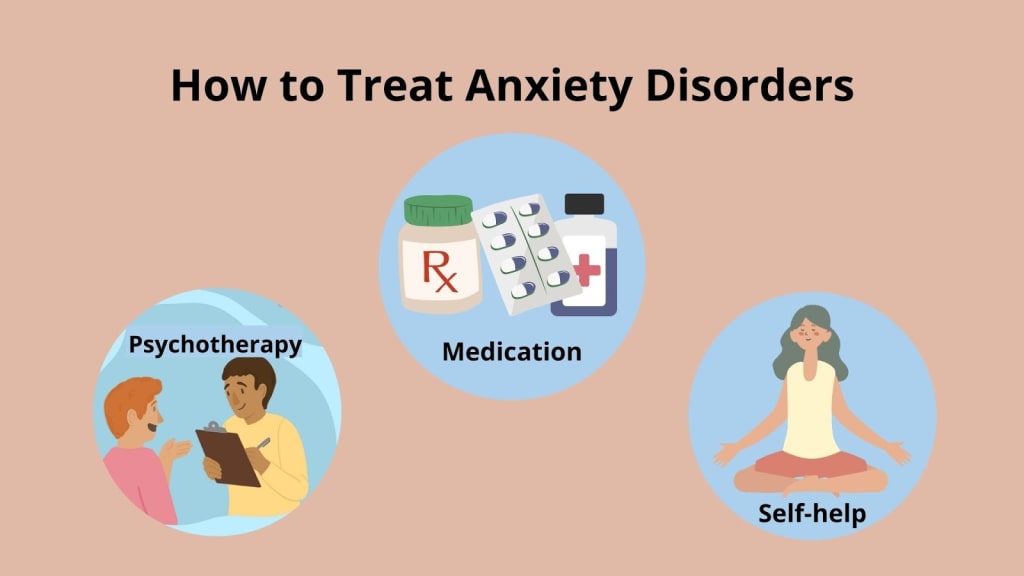
Two of the most common mental health states that individuals experience in today's busy world are anxiety and stress. While transient stress is a natural response to life pressures, chronic anxiety and chronic stress impair emotional, cognitive, and physical functioning. Psychologists play a vital role in helping individuals deal with such problems through provision of evidence-based guidance, counseling, and support tailored to each person's circumstances. The nature of how psychologists deal with anxiety and stress management highlights the importance of seeking professional help in order to remain mentally healthy and improve overall quality of life.
Understanding Anxiety and Stress
Anxiety has been defined as chronic worry, fear, or apprehension about future occurrences or events. Increased heart rate, tension, inability to focus, restlessness, and insomnia are some of the characteristic symptoms. Anxiety exists in the forms of generalized anxiety disorder, social anxiety, panic disorder, or particular phobias.
Stress, on the other hand, is a body response to demands or pressures. In the short term, performance increases, but chronic stress is an outcome that negatively impacts mental and physical health. Prolonged stress can lead to burnout, irritability, weakened immune system, and risk for depression and anxiety disorders.
Both stress and anxiety tend to interact, forming a vicious circle where stress worsens anxiety, and anxiety worsens stress. If left unrestrained, these conditions can have a major impact on everyday functioning, interpersonal relationships, and well-being.
The Role of a Psychologist in Managing Anxiety and Stress
Psychologists provide a secure, non-judgmental environment where one can determine the sources of anxiety and stress, develop coping strategies, and learn to control their emotional responses. Their treatment is multi-faceted, employing assessment, therapy, education, and skills training.
1. Assessment and Individualized Planning
A psychologist begins with assessing the nature, severity, and precipitating causes of anxiety and stress. It is conducted through structured interviews, self-report questionnaires, or observation of behavior. Proper assessment facilitates individualization of interventions tailored to the individual's specific needs.
2. Cognitive Behavioral Therapy (CBT)
CBT is one of the most employed evidence-based treatments for anxiety and stress management. It enables people to learn and challenge unhelpful thinking styles, assumptions, and beliefs that are responsible for anxiety. With CBT, people learn to substitute negative thoughts with realistic balanced thinking, minimizing worry and emotional distress.
3. Exposure Therapy
In the event of phobic or panic disorder, psychologists may apply exposure therapy. This is repeated, gradual, and controlled confrontation with situations that provoke anxiety so that individuals develop tolerance and reduce the reaction of fear over time.
4. Mindfulness and Relaxation Techniques
Mindfulness, meditation, and breathing deeply are frequently instructed by psychologists to enable individuals to remain present and reduce physiological reactions of stress. Regular practice leads to calmness, emotional regulation, and improved concentration.
5. Stress Management Skills
Psychologists instruct clients on how to achieve realistic coping skills for coping with daily stressors. Skills can include time management, problem solving, assertive communication, and healthy lifestyle habits such as regular exercise, well-balanced nutrition, and sufficient rest.
6. Emotional Regulation and Coping Skills
Embracing emotions without judgment, having the ability to recognize them, and reacting positively is central to stress and anxiety management. Psychologists help people become more resilient by teaching them adaptive coping behaviors, such as journaling, progressive muscle relaxation, and systematic goal-directed setting.
7. Work with Underlying Issues
Anxiety and stress most often stem from unresolved issues, trauma, or unhealthy beliefs. Psychologists work with clients to explore these causes, shedding light on the situation and inducing personal growth beyond symptom alleviation.
Benefits of Seeking the Services of a Psychologist for Anxiety and Stress
1. Reduced Symptoms
With certain interventions, the client sees reductions in worry, tension, and physical symptoms such as a racing heart or muscle tension.
2. Improved Coping and Resilience
Acquiring effective coping skills for handling stress sets individuals up to handle future challenges better, making them more resilient and emotionally stable.
3. Improved Quality of Life
Effective management of anxiety and stress leads to better sleep, healthier relationships, greater productivity, and general contentment in life.
4. Prevention of Severity
Offering intervention with a psychologist at an early stage of stress or anxiety may prevent them from escalating to severe mental illness like major depression or panic disorders.
5. Confidential and Safe Guidance
Psychologists provide a stigma-free setting in which an individual is able to discuss matters openly, probe fears, and receive professional guidance without fearing the consequences of stigma.
Combining Expert Advice into Everyday Lifestyle
Although therapeutic advice from a psychologist takes precedence, individuals are encouraged to integrate other behaviors into everyday lifestyles:
Mindful breaks: Taking short breaks in the middle of work or study to breathe and focus reduces stress accumulation.
Physical activity: Exercise reduces stress hormones and enhances mood by releasing endorphins.
Healthy habits: Normal sleep, even meals, and decreased alcohol or caffeine consumption promote emotional equilibrium.
Social support: Contact with supportive friends and family members induces emotional confirmation and alleviates loneliness.
Psychologists can instruct clients on how to integrate professional treatment with these lifestyle adaptations for overall anxiety and stress relief.
When to Seek Professional Assistance
Persons should see a psychologist if they observe:
Chronic anxiety or fear that impedes normal activities
Difficulty in concentration, sleep, or work or functioning at school
Panic attacks or intense physical symptoms of anxiety
Extreme stress affecting relationships or well-being
Clinics like https://www.delhimindclinic.com/
offer professional assessment, counseling, and tailored treatment programs for anxiety as well as stress management. Early intervention produces superior outcomes and prevents long-term consequences.
Conclusion
Anxiety and stress are widespread problems that can have a significant impact on psychological and physical health. Psychologists assist people in coping with these issues using evidence-based therapy, emotional counseling, and useful advice.
By combining professional care with daily habits such as mindfulness, exercise, and healthy practices, individuals are able to manage symptoms, develop resilience, and improve overall well-being. Going to see a psychologist is not a sign of weakness—it is asserting one's emotional wellbeing and health.
For professional advice on lowering anxiety and stress, visit: https://www.delhimindclinic.com/
With the help of a psychologist, individuals can beat life stresses with confidence, acquire useful coping strategies, and establish long-term mental and emotional stability.
About the Creator
Keep reading
More stories from Naveen Garg and writers in Education and other communities.
What is the function of social support in healing from mental health problems, and how can one build more robust support networks?
Recovery from mental illness is rarely an individual task. While individual resilience and professional therapy are fundamental elements of healing, social support significantly enhances the success of recovery. Human beings are social animals, and true relationships—whether with family and friends, peers, or community members—are confirming, empathetic, and supportive. For individuals who have mental illness such as depression, anxiety, trauma, or bipolar disorder, a good support system can make a difference between loneliness and empowerment.
By Naveen Garg4 months ago in Education
Common Online Money
Introduction: The Dark Side of Online Earning The internet has created countless opportunities to earn money online. From freelancing and blogging to online teaching and affiliate marketing, many people now make a living from the digital world. However, along with real opportunities, the internet is also full of scams. Every year, millions of people lose money, time, and personal information because of online money-making frauds. Understanding these scams is the first step to staying safe. This article explains the most common online money-making scams and how you can avoid them.
By Bilal Mohammadi3 days ago in Education
Casie Hynes and the Future of Math Education Reform
Mathematics has always been a cornerstone of formal education. It strengthens reasoning, supports problem solving, and underpins critical fields such as science, technology, engineering, and economics. Yet despite its importance, math remains one of the most challenging subjects for students across the globe. Many learners struggle not because they lack ability, but because the way math is taught no longer aligns with how students learn or how the world now functions.
By Casie Hynesabout an hour ago in Education



Comments
There are no comments for this story
Be the first to respond and start the conversation.