
How do psychologists help people manage workplace stress and burnout?
Psychologists help
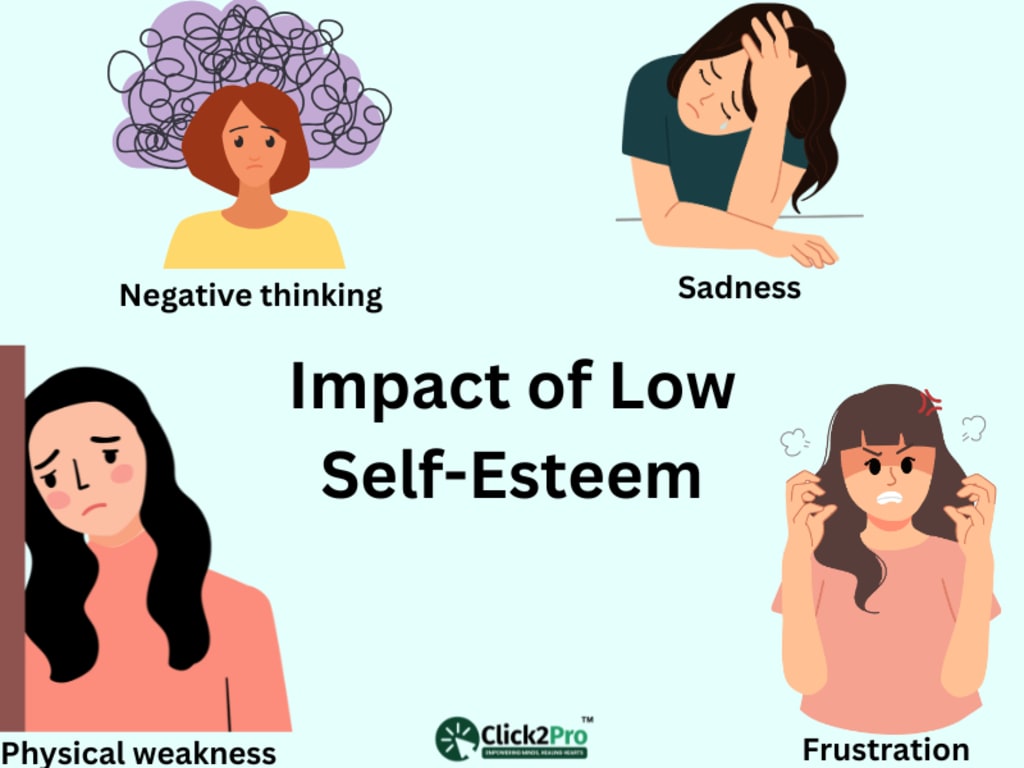
In today's world, occupational stress has become almost unavoidable. Working long hours, high expectations to achieve, tight deadlines to meet, lack of work-life balance, job insecurity, and poor working relationships with managers or colleagues all contribute to increased mental tension. As pervasive and debilitating stress accumulates, it has the potential to burn out an individual — a state of physical, emotional, and mental depletion often with cynicism, reduced effectiveness, and detachment from work.
Burnout is not just a matter of being tired. It is a serious occupational health condition that can affect every area of a person's life, including physical well-being and interpersonal relationships. Psychologists play a crucial role in helping people to recognize, cope with, and overcome occupational stress and burnout. They provide evidence-based treatments, successful coping strategies, and continuous support to help individuals regain balance and re-discover satisfaction in their lives and work.
Understanding Workplace Stress and Burnout
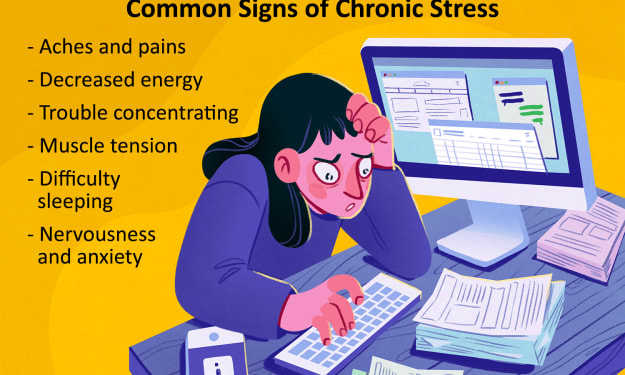
Workplace stress results when the demands of the job exceed a person's ability to cope. While the periodic rushes of stress may sometimes propel performance, continued stress harms. Examples of indicators include headaches, fatigue, irritability, decreased concentration, and sleep disturbances.
Burnout, an advanced state, typically occurs after prolonged workplace stress exposure without adequate support. Examples of indicators include:
Sustained exhaustion (physical and emotional)
Emotional detachment from work and colleagues
A negative or pessimistic attitude towards work
Deteriorating performance after long hours
Feelings of helplessness or hopelessness
Psychologists differentiate between normal stress, temporary exhaustion, and clinical burnout. This is important because interventions will vary depending on the degree and location of the issue.
The Role of Psychologists in Coping with Workplace Stress
1. Creating a Safe and Confidential Space
People are hesitant to speak about work stress because they do not want to be judged or fear career backlash. Psychologists offer a safe and anonymous environment where clients are able to articulate their frustrations, fear, and struggles without fear of retribution.
2. Identifying Stressors and Triggers
Through formalized assessments and discussions, psychologists help clients pinpoint certain stressors. It may be workload, contaminated work environment, lack of control, unclear expectations, or interpersonal relationships. Identifying the source is the first step towards constructive change.
3. Educating Stress-Management Skills
Psychologists equip clients with efficient skills to deal with existing stress, such as:
Relaxation skills (deep breathing, progressive muscle relaxation)
Mindfulness and meditation skills
Time management skills to distribute tasks optimally
Boundary-setting ability to separate work from personal life
4. Cognitive-Behavioral Therapy (CBT) to manage Stress
CBT is the most effective therapy technique to control stress at the workplace. CBT helps clients challenge negative thought patterns like "I'm never good enough" or "If I take a break, I'll fall behind". By reworking these tendencies, clients develop healthier assumptions that reduce stress and promote resilience.
5. Building Emotional Regulation Skills
Work stress primarily manifests as irritability or emotional outbursts. Psychologists teach individuals how to manage their emotions, communicate assertively, and resolve problems without escalating conflict.
Psychologists' Role in Burnout Remedies
Once stress has progressed to burnout, recovery requires more extensive psychological intervention.
1. Early identification of burnout
Symptoms of burnout are usually dismissed as laziness or lack of motivation by the majority of people. Psychologists validate the seriousness of burnout and educate clients on how it differs from typical fatigue. Early detection prevents exacerbating mental health issues like depression or anxiety.
2. Managing Perfectionism and Unrealistic Expectations
Burnout is widespread among high achievers who relentlessly push themselves. Psychologists help clients explore perfectionist tendencies, educating them on how to set functional goals, value progress, and engage in self-kindness.
3. Rebalancing Work-Life
Psychologists assist clients in reinstating balance into everyday life. This may include:
Nurturing hobbies and social relationships beyond work
Rebuilding sleep and exercise routines
Promoting restorative breaks and vacations
Creating healthier digital routines (e.g., limiting after-hours emails)
4. Identity and Purpose Work
Burnout has the consequence of making people feel detached from their work purpose. Psychologists help clients reconnect their long-term goals, values, and interests, which restore meaning to work or lead them to necessary career changes.
5. Co-Occurring Condition Therapy
Burnout is often accompanied by depression and anxiety. Psychologists provide dual therapy to treat both conditions, giving clients comprehensive care.
Advantages of Psychological Intervention in Work-Related Stress and Burnout
Less Anxiety
Emotional Distress: Clients learn to reduce everyday levels of stress.
Improved Job Performance: More energy and focus allow one to do a better job at work.
Healthier Relationships: Learned skills in setting limits and managing emotions translate to working relationships and other aspects of life.
Increased Resilience: Clients learn to respond to future challenges without reverting to burnout.
Prevention of Severe Mental Health Problems: Early mental intervention prevents the formation of clinical disorders out of stress.
Strategies Psychologists Teach to Build Long-Term Resilience
Mindfulness and Presence: Being present decreases work pressure rumination.
Self-Compassion Training: Moving from self-criticism to self-kindness.
Values-Based Living: Pursuing personal and professional goals that are aligned with underlying values.
Assertiveness Skills: Asserting "no" without guilt when boundaries are met.
Problem-Solving Strategies: Breaking down challenges stepwise rather than becoming paralyzed.
When to Seek Psychological Help
It's natural to get stressed at work from time to time, but professional help is recommended if you notice:
Persistent fatigue despite rest
Growing cynicism or remoteness from work
Performance decline at work
Sleep problems or frequent health issues
Difficulty maintaining personal relationships due to pressures of work
Hopelessness, despair, or demotivation
Seeking help early leads to quicker recovery and prevents further decline.
Psychologists as Partners in Workplace Well-Being
In addition to helping individuals, psychologists also work with organizations to help improve the work environment. They may provide:
Stress management workshops
Leadership development for healthier management styles
Organizational culture consultation
Employee wellness and resilience programs
By working to address individual issues and systemic workplace problems, psychologists ensure that sustainable, supportive environments are developed in which employees can thrive.
Conclusion
Workplace burnout and stress are not signs of weakness but signs of human limits being stretched to the limit in difficult contexts. Psychologists are incredibly valuable to individuals by enabling the identification of stressors, the development of coping strategies, recovery of balance, and reconnection of purpose at work. Organizations benefit from having psychologists provide for them healthier workplaces that avoid burnout from even taking root in the first instance.
With counseling, self-care habits, and focused contemplation, burnout may be overcome and a more healthful, fulfilling relationship with work recovered. If you or someone you love is stressed at work or burned out, professional help is a good move towards healing.
For professional psychotherapy and counseling services, log on: https://www.delhimindclinic.com/
About the Creator
Keep reading
More stories from Naveen Garg and writers in 01 and other communities.
How do psychologists help children and adolescents with mental disorders?
Childhood and adolescence are developmental years, coupled with rapid bodily, emotional, and social development. Even though these years are usually ones of happiness, learning, and growth, they may also be years of struggle impacting the child's mental well-being. From bullying and school stress to family concerns and trauma, adolescents may experience problems that are hard for them to put into words. If left unaddressed, these problems can lead to continued relationship, school, and emotional health issues.
By Naveen Garg4 months ago in 01
Is X (Twitter) Down Right Now? X.com Not Working as Users Report Global Outage
If you are asking “Is X not working?”, “Is Twitter down?”, or searching for Twitter down detector right now, you are not alone. Thousands of users across the world frequently report issues with X (formerly Twitter), especially when the platform suddenly stops loading, tweets don’t refresh, or login fails. Whenever this happens, searches like “is x.com down”, “twitter status”, and “twitter not working” start trending on Google and X itself.
By Waqar Khan3 days ago in 01


Comments
There are no comments for this story
Be the first to respond and start the conversation.