
How does anxiety affect daily life, and what are the proper ways of dealing with it?
Anxiety affect daily life
Answer:
Anxiety is a normal human response designed to alert us to danger and prepare us for action. In limited amounts, it may be useful—for example, pushing us to prepare for an exam or stay alert when confronted with danger. But when anxiety is excessive, persistent, or out of proportion to the situation, it ceases to be a helpful survival response and instead becomes a crippling mental illness. For many individuals, anxiety is not a transient worry but a chronic struggle that infiltrates work, relationships, physical health, and general quality of life.
It is essential to understand how anxiety affects daily life and how to successfully manage it. With the right combination of knowledge, coping mechanisms, and professional intervention, individuals with anxiety can regain balance and thrive.
The Nature of Anxiety
Anxiety disorders are among the most common mental illnesses, which comprise generalized anxiety disorder (GAD), panic disorder, social anxiety disorder, and specific phobias. While each has its own characteristics, they also share some commonalities: excessive fear, worry, and physical symptoms that result in impairment in functioning. Anxiety disorders persist for months or years and frequently lack an external stimulus, making them different from temporary stress.
Anxiety manifests in both mind and body. The mind becomes fixated on worry about what might go wrong, and the body reacts with tension, agitation, or even panic attacks. This dual impact makes daily life feel overwhelming and exhausting.
How Anxiety Affects Daily Life
1. Workplace and School Difficulty
Anxiety can also be a significant productivity killer. Individuals may procrastinate out of fear of failure, lack focus, or withhold their participation in meetings. In severe cases, work anxiety can lead to absenteeism, career stagnation, or job loss. Students, as well, may skip class, freeze up during exams, or experience test anxiety despite their preparation.
2. Strained Relationships
Anxiety typically leads to overthinking, seeking reassurance, or irritability. Someone with social anxiety may avoid parties, and friends may mistakenly attribute their withdrawal to lack of interest. Romantic relationships also suffer, as fear of abandonment or misinterpretation at all times can lead to friction.
3. Impact on Physical Health
The mind and body are deeply connected. Chronic anxiety activates the body’s stress response repeatedly, leading to headaches, muscle tension, gastrointestinal issues, sleep disturbances, and weakened immunity. Long-term, it increases the risk of conditions like hypertension and heart disease.
4. Reduced Quality of Sleep
Anxiety is marked by sleep issues. The racing thoughts keep a person awake, and nightmares or restlessness disturb sleep. Not sleeping, in turn, enhances anxiety in a vicious cycle.
5. Limiting Daily Activities
Avoidance is one of the strongest effects of anxiety. Fear of panic attacks may prevent an individual from traveling, going to public places, or even leaving home. Over time, this avoidance shrinks the individual's world and makes them feel trapped by their fears.
6. Loss of Self-Confidence
Anxiety undermines self-esteem. Constant self-doubt and fear of disapproval may make individuals feel incompetent or useless. This lack of confidence reinforces avoidance and withdrawal.
Early Signs of Anxiety to Watch For
Recognizing anxiety early allows for more effective management. Warning signs include:
Excessive worry disproportionate to events.
Restlessness or feeling “on edge.”
Rapid heartbeat, sweating, or trembling in non-threatening situations.
Difficulty focusing due to intrusive anxious thoughts.
Frequent avoidance of social or professional opportunities.
By paying attention to these indicators, individuals and families can seek help before anxiety becomes overwhelming.
Strategies to Manage Anxiety
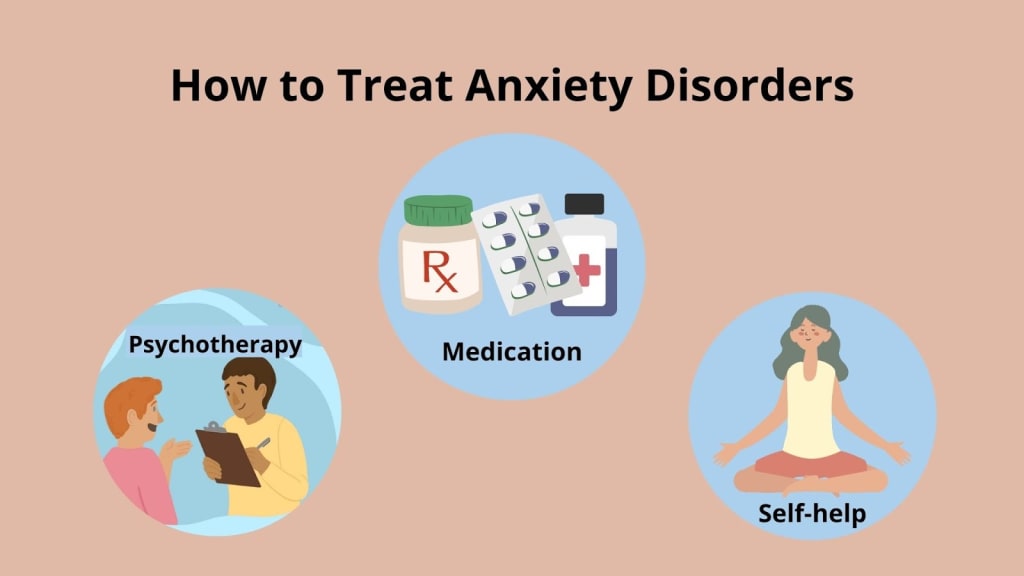
Although anxiety can be daunting, it is highly treatable with the right tools and support. Treatments range from self-directed to professional interventions. The following are evidence-backed approaches that work:
1. Cognitive-Behavioral Therapy (CBT)
CBT is a very useful anxiety treatment. It helps to identify distorted thinking and replace it with healthier, more balanced attitudes. For example, instead of: "If I speak up in this meeting, I'll embarrass myself," CBT would suggest the following reframing: "I may feel nervous, but that doesn't mean I will perform poorly."
2. Mindfulness and Relaxation Techniques
Practices like meditation, deep breathing, and progressive muscle relaxation calm the body's stress response. Mindfulness teaches one to observe thoughts without judgment, reducing the tendency to spin into worry.
3. Physical Activity
Exercise is a natural anxiety reducers. Activities like walking, yoga, or swimming release endorphins, normalize stress hormones, and provide a healthy outlet for pent-up tension.
4. Healthy Sleep Habits
Establishing a consistent sleep schedule, minimizing screen time before bed, and ensuring the sleeping area is relaxing can break the pattern of anxiety-driven insomnia. Restful sleep refreshes body and mind.
5. Healthy Nutrition
Caffeine, alcohol, and sugar can exacerbate anxiety. A healthy diet consisting of whole foods stabilizes energy and improves overall mental well-being.
6. Gradual Exposure
For social anxiety and phobias, progressive exposure to situations that cause fear desensitizes the fear response. With professional support, individuals gradually confront stimuli in manageable increments, building confidence over time.
7. Support Networks
Open discussion with close friends or relatives diminishes the feelings of isolation caused by anxiety. Support groups—either online or face-to-face—offer validation and coping mechanisms shared by others.
8. Medication When Needed
For moderate to severe anxiety, medication may be given alongside therapy. Antidepressants, anti-anxiety medication, or beta-blockers can reduce symptoms so that the individual can engage fully in therapy and in activities of daily living. Medication should always be managed by a competent psychiatrist, such as those at https://www.delhimindclinic.com/.
Supporting a Loved One with Anxiety
If someone you know is struggling with anxiety, your support can make a significant difference. Here's how you can help:
Listen without judging. Avoid minimizing their feelings by saying, "Just relax" or "Don't worry." Instead, validate their emotions: "I can see this feels very overwhelming for you."
Recommend professional help. Offer to help look for a therapist or to accompany them to appointments.
Respect boundaries. Anxiety can make some situations painful. Recommend small steps without pushing too hard.
Be patient. Progress can be slow, but your ongoing support develops hope and resiliency.
Breaking Stigma Around Anxiety
Despite being highly common, anxiety is often misunderstood. Some may view it as weakness or attention-seeking, while others dismiss it as stress everyone faces. This stigma prevents many from seeking help, worsening their condition.
Normalizing mental health conversations is crucial. The workplace, schools, and families can facilitate open conversations about anxiety by sponsoring awareness campaigns, training staff to recognize signs, and offering resources. On a personal level, sharing stories of living with and surviving anxiety makes others less alone.
When to Seek Professional Help
Although self-help mechanisms are crucial, professional intervention is necessary if anxiety:
Interferes with work, studies, or relationships.
Leads to panic attacks or avoidance of significant activities.
Causes physical symptoms like chest pain or abdominal discomfort.
Is associated with depression or suicidal tendencies.
Immediate attention from qualified professionals ensures that anxiety is managed before it causes long-term disruptions in life.
Conclusion
Anxiety is not just normal worrying from time to time; it is a disorder that can subtly erode quality of life if left untreated. From undermining job or school functioning to complicating relationships and harming physical health, its impact is widespread. Yet anxiety is highly treatable.
Through therapy, mindfulness, healthy lifestyle options, supportive friendships, and where required, medication, individuals can regain control and peace of mind. Equally crucial is the elimination of stigma so that no one feels ashamed to seek help.
If you or someone you know is struggling with anxiety, reaching out to professionals can be a lifesaver. Clinics like https://www.delhimindclinic.com/
provide compassionate, evidence-based therapy that equips individuals with tools to manage anxiety and reclaim their lives. Remember, seeking help is not a sign of weakness—a brave step towards healing and resiliency.
About the Creator
Keep reading
More stories from Naveen Garg and writers in Education and other communities.
What are the warning signs of depression, and how can early intervention make a difference?
Answer: Depression is one of the most common mental illnesses worldwide, yet it goes unrecognized and untreated for long periods of time. Depression is more than a temporary mood, unlike the day-to-day sadness that occurs so frequently—it is a serious disease that gets in the way of how a person thinks, feels, and carries out daily functions. The earlier depression is identified and addressed, the greater the likelihood of recovery and the prevention of long-term consequences. Unfortunately, stigma, confusion, and ignorance often lead people to postpone getting help.
By Naveen Garg5 months ago in Education
How did Hitler rise to power?
How did Adolf Hitler, a tyrant who orchestrated one of the largest genocides in human history, rise to power in a democratic country? The story begins at the end of World War I. With the successful Allied advance in 1918, Germany realized the war was unwinnable and signed an armistice ending the fighting. As its imperial government collapsed, civil unrest and worker strikes spread across the nation. Fearing a Communist revolution, major parties joined to suppress the uprisings, establishing the parliamentary Weimar Republic.
By Munesh Yadavabout 12 hours ago in Education




Comments
There are no comments for this story
Be the first to respond and start the conversation.