
How does social media use impact mental health, and how can healthier online behaviors be encouraged?
Social media
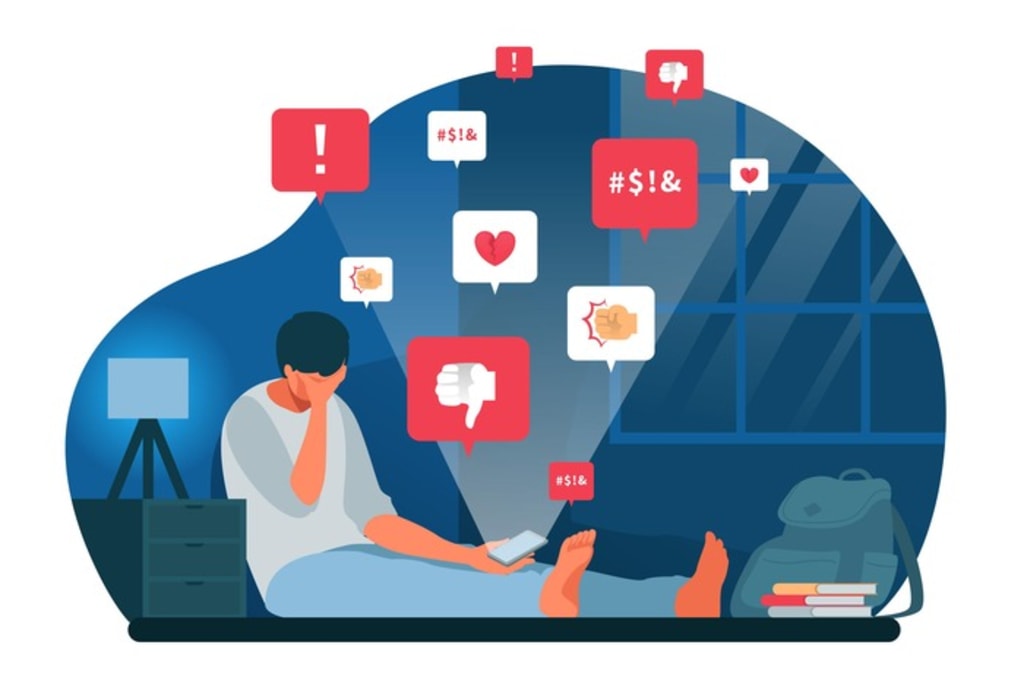
Social media use has become a part of daily life in the digital age. Facebook, Instagram, Twitter (X), TikTok, and LinkedIn are some of the social media platforms that provide opportunities for communication, self-expression, and information sharing. For many, social media are used as a source of entertainment, career networking, and community building. However, its effects on mental health are a matter of increasing concern among researchers, physicians, and users. Though social media can be utilized for improving relationships and providing beneficial information, extreme or one-sided usage can result in depression, anxiety, loneliness, and reduced self-esteem. One needs to understand both the advantages and disadvantages of social media so that more positive online behavior can be encouraged that is conducive to emotional well-being.
The Positive Impact of Social Media
Social media is not inherently harmful; it holds many beneficial elements if used with thoughtfulness:
Connection and Support: For those geographically or otherwise dispersed, social media becomes a way to maintain connections, share experiences, and offer support. Social media can also help those coping with issues of chronic illness, loss, or mental illness.
Access to Information: Social media provides access to mental health resources, education, and awareness campaigns. Reputable pages can help counteract stigma and influence people to seek professional assistance.
Self-Expression: Artistic platforms such as blogs, painting, or vlogs allow people the ability to speak their minds, build confidence, and interact with similar communities.
Opportunities for Advocacy: Social media provides a voice for those who otherwise may not be heard, and individuals and groups can use it to raise awareness, mobilize action, and speak out on behalf of causes.
Used in moderation, social media can be a remarkably strong tool for connection, empowerment, and self-improvement.
The Negative Impacts of Social Media on Mental Health
But the negative effects of excessive or unbalanced use are real and widely reported.
1. Anxiety and Depression
Constant exposure to carefully curated photos and status updates can lead to unhealthy comparisons. Comparing oneself to others' highlight reels can make one feel inadequate, foster low self-esteem, or trigger jealousy. This "social comparison effect" is directly linked to depressive symptoms, particularly in adolescents and young adults.
2. Overuse and Addiction
The design of social media websites encourages extensive use by means of alerts, likes, and algorithmic content. These can contribute to addictive use, in which users constantly visit their accounts, sacrificing sleep, productivity, and face-to-face relationships.
3. Cyberbullying and Harassment
Anonymity on the internet can encourage negative experiences, including harassment or bullying. Victims of cyberbullying are likely to have higher levels of anxiety, depression, and in severe cases, suicidal ideation.
4. Sleep Disturbances
Nighttime scrolling and screen time disrupt natural sleep patterns by suppressing melatonin, the sleep hormone. Following sleep loss also weakens mood regulation, concentration, and resistance to stress.
5. Loneliness and Isolation
Ironically, while social media unites people online, it may also cause loneliness. Passive use—continuous scrolling with no engagement—hinders face-to-face interaction and can replace live social interaction with a feeling of isolation.
Who is Most Vulnerable?
Some populations are at higher risk for negative mental health consequences from social media:
Teenagers and Young Adults: Identity formation and being highly sensitive to peer approval make them particularly vulnerable to comparison and cyberbullying.
Those with Pre-Existing Mental Health Conditions: Those who already struggle with anxiety, depression, or poor self-esteem may have their symptoms exacerbated online.
Heavy Social Media Users: Spending many hours a day online is strongly associated with negative mental health outcomes.
Strategies for Healthier Social Media Use
Promoting mental well-being in the digital age is not abandoning social media entirely but being able to utilize it mindfully. Here are tips that are effective:
1. Set Boundaries
Limit daily use through app limits or phone settings.
Schedule "digital detox" times—i.e., device-free evenings or weekends.
Do not consume social media during meals, before sleep, or upon waking.
2. Curate Your Feed
Unfollow those whose content triggers negative self-comparison, anxiety, or distress.
Follow positive, educational, and inspirational accounts that promote growth and positivity.
3. Actively Engage
Engage constructively by commenting, messaging, or connecting with groups rather than passive scrolling.
Use platforms to amplify real-world connections rather than replace them.
4. Be Mindful
Check in with your emotional state before and after using social media. If you notice you're feeling increased stress or sadness, stop using.
Be purposeful: ask yourself why you are logging in and whether it is aligned with your objectives.
5. Cultivate Offline Resilience
Invest time in offline hobbies, exercise, and in-person interactions.
Cultivating actual-world relationships brings equilibrium and reduces dependence on online approval.
6. Get Professional Assistance as Needed
If social media usage is causing depression, anxiety, or other mental health issues, professional help is necessary. Therapists are able to assist people in learning better coping skills, improving self-esteem, and setting boundaries with technology. Clinics such as https://www.delhimindclinic.com/
offer extensive support for mental health issues caused by social media usage.
The Role of Parents and Educators
For adolescents, open communication and parental engagement are critical. Instead of issuing blanket bans, parents can establish good digital habits, create balance, and speak candidly about the realities of life online. Schools can also include digital literacy courses, which teach students how to critically evaluate content as well as deal with digital stressors.
Conclusion
Social networking is a double-edged sword-capable of building connection, imagination, and solidarity but also prone to building anxiety, depression, and loneliness if excessive or abused. Its impact on mental health depends greatly on the way, the reasons, and the frequency whereby it is employed.
By setting boundaries, content curation, active engagement, and offline resilience development, one can enjoy the benefits of social media without risking too much. Most importantly, professional assistance must not be eschewed if a person is struggling to deal with the psychological impacts of online life.
For professional treatment and personalized steps towards enhanced mental well-being, visit: https://www.delhimindclinic.com/
With awareness, balance, and vocational guidance, social networking may be reoriented from a source of stress to a means of becoming connected, empowered, and developed.
About the Creator
Keep reading
More stories from Naveen Garg and writers in Education and other communities.
What is post-traumatic stress disorder (PTSD), and how can it be treated successfully?
Post-traumatic stress disorder (PTSD) is a serious illness that happens after one has been exposed to or encountered a traumatic event. Such events may include natural disasters, catastrophic accidents, violent encounters, combat, abuse, or sudden loss of a loved one. While fear, sadness, or painful after trauma is common, the majority of people recover with time and consolation. But in others, the emotional wounds remain unscabbed and the trauma re-emerges in disruptive and agonizing ways—this is where PTSD surfaces.
By Naveen Garg4 months ago in Education
Surviving Cancer: Entering the Golden Alchemical Door to Teaching
It starts with love . . . Entering the Golden Door: Who Am I? Going through cancer treatments with chemo, a strange thing happened, for I started to forget things, even who I am because my wife ghosted me and my friends would have nothing to do with me. Without human contact, you forget what it means to be human. I am a professor at a university, but I forgot what I taught. . . .
By WILD WAYNE : The Dragon King3 days ago in Education
Historical Background of Panasonic Avionics Corporation
From my research, Panasonic Avionics Corporation was originally founded in 1979 under the name Matsushita Avionics Systems Corporation. Over the decades, the company evolved alongside commercial aviation, aligning its products with aircraft cabin modernization and passenger comfort.
By Beckett Dowhanabout 17 hours ago in Education



Comments
There are no comments for this story
Be the first to respond and start the conversation.