
What impact does chronic stress have on mental health, and how is it effectively managed?
chronic stress
Stress is unavoidable. Whether brought on by work, finances, relationships, or unforeseen issues, there's going to come a time when every individual will experience tension and pressure. Stress, in brief periods, in fact, stimulates us—it focuses our attention and allows us to overcome the obstacle. But when stress occurs repeatedly, that is, over the long term without sufficient relief or coping strategies, it can deeply affect both physical and mental health.
Chronic stress is not just overwhelming people; it alters brain chemistry, disrupts emotional balance, and places the body in a constant state of "fight or flight." Unless checked, it increases the threat for the onset of mental disorders such as anxiety, depression, and burnout. Fortunately, with awareness and proper interventions, chronic stress can be controlled and treated, and resilience and balance may be regained.
Understanding Chronic Stress
Stress is essentially the reaction of the body to challenges. If something is felt to be threatening, the body releases stress hormones like cortisol and adrenaline. This gets us ready to react rapidly—widely referred to as the "fight, flight, or freeze" response.
While this is fine in the short term, problems arise when the stress response is being turned on and off over and over. Modern life is characterized by chronic stressors—work deadlines, financial concerns, caregiving responsibilities, or constant connectivity with technology—allowing the body no time to shift back into relaxation. Chronic stress builds, though, and can erode mental and physical well-being over time.
The Mental Health Consequences of Chronic Stress
1. Anxiety Disorders
Chronic stress keeps the body in continuous high alert, leading to constant worry, restlessness, and running thoughts. This can eventually evolve into generalized anxiety disorder or panic disorder.
2. Depression
Chronic stress depletes the brain's neurotransmitters, serotonin and dopamine, which regulate mood. This can lead to hopelessness, low energy, and lack of interest—usual features of depression.
3. Burnout
Prevalent in the workplace, burnout results from ongoing stress with insufficient recovery time. Symptoms include emotional exhaustion, cynicism, and diminished effectiveness. Burnout has the ability to integrate work and personal life so thoroughly that one's not moving and cannot motivate himself.
4. Cognitive Impairment
Chronic stress impacts attention, memory, and decision-making. This is because excessive cortisol disrupts the hippocampus, an area of the brain responsible for learning and memory.
5. Substance Use
To cope with persistent stress, others may turn to alcohol, nicotine, or drugs. These may provide relief for the short term but intensify mental illness and create other problems.
6. Sleep Disturbances
Stress disrupts sleep patterns, leading to insomnia or disturbed quality of sleep. Lack of sleep in turn creates more emotional disturbance, a cycle of worsening oneself.
The Physical Health Consequences of Stress
Chronic stress isn't only bad for mental well-being—it manifests in the body as well. Chronic stress has been linked to:
High blood pressure and a heightened risk of heart disease.
Reduced immune function, leading to recurring illness.
Stomach problems like irritable bowel syndrome (IBS).
Tension headaches and migraines.
Hormonal disruption of metabolism and reproductive processes.
This overlap of physical and mental effect illustrates how strongly stress impacts overall health.
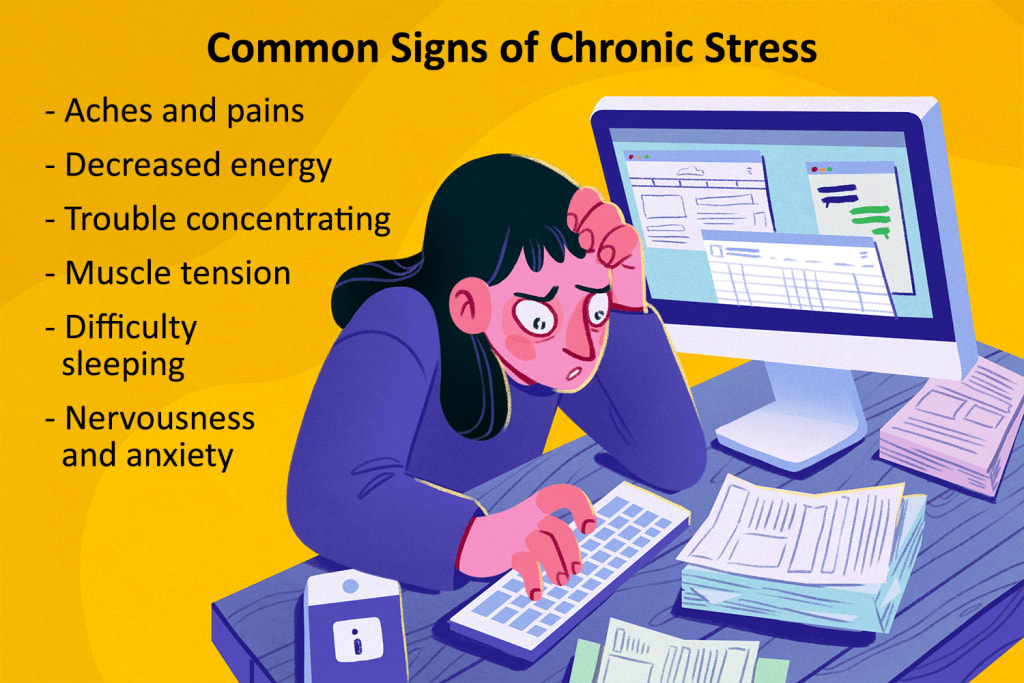
All stress is not necessarily a bad thing, but it is important to know when it is not okay. Warning signs of chronic stress include:
Being overwhelmed or irritable all the time.
Having difficulty relaxing even during periods of relaxation.
Having frequent headaches, muscle tension, or stomach issues.
Having trouble concentrating or memory lapses.
Insomnia or sleep disturbance for weeks or months.
Keeping people or activities at arm's length.
Recognizing these signs in advance allows early intervention before stress escalates to worse scenarios.
Strategies for Managing Chronic Stress
Though it is not always possible to get rid of all sources of stress, it is possible to alter the way we react to them. Proper stress management involves a mix of lifestyle modification, coping strategies, and in some cases, professional intervention.
1. Developing Resilience through Attitude
Perceiving challenges as chances to grow and become stronger can decrease stress. Rather than dwelling on what seems beyond control, people can turn their focus towards areas where they can contribute meaningfully.
2. Mindfulness and Relaxation Techniques
Meditation, breathing exercises, and progressive muscle relaxation soothe the nervous system and decrease cortisol. Even 10–15 minutes a day can make a big difference in stress resilience.
3. Exercise
Exercise is the best natural stress reducer. Walking, yoga, or dancing releases endorphins and decreases muscle tension and enhances overall mood.
4. Good Sleep Habits
Establishing regular sleep patterns is necessary. Establishing a pre-sleep routine, excluding screens before retiring, and unwinding before sleep can improve the quality of sleep.
5. Time Management Skills
Chronic stress can originate from being overwhelmed. Prioritizing, delegating, and establishing reasonable goals can reduce pressure.
6. Social Support
Conversations with friends, family members, or support groups provide emotional release and fresh thinking. Sharing burdens often makes the burden lighter and reduces feelings of isolation.
7. Well-Balanced Diet
Diet plays a role in managing stress. Limiting caffeine, sugar, and processed foods and adding more whole grains, fruits, and vegetables is good for brain and body.
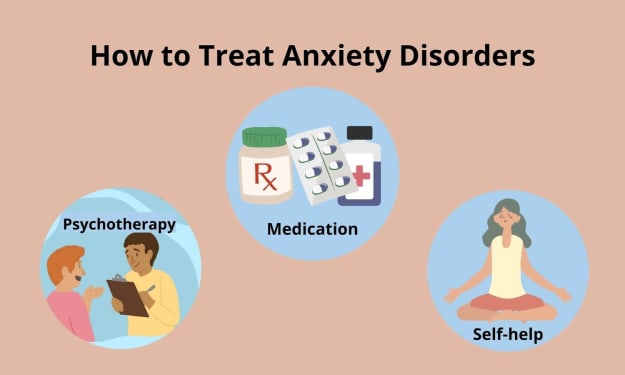
8. Professional Therapy or Counseling
For those who cannot manage stress alone, therapy provides guided coping. Cognitive-behavioral therapy (CBT) is especially useful in changing maladaptive cognitive styles that maintain stress.
9. Medication if Necessary
In cases where stress is contributing to severe anxiety or depression, medication is recommended by a psychiatrist. Clinics like https://www.delhimindclinic.com/
offer detailed assessments to determine the optimal treatment plans.
Assisting An Individual With Chronic Stress
If the individual you are concerned about seems overwhelmed with stress, you can play an important part in helping them:
Listen non-judgmentally. Sometimes hearing oneself out is all it takes to reduce tension.
Encourage positive habits. Ask them to take a walk with you, cook a healthy meal, or chill out with you.
Offer concrete support. Assisting in the small things can alleviate their sense of burden.
Encourage expert help. If stress is controlling their life, suggest they consult the help of an expert in mental health.
Breaking the Cycle of Stress
One of the challenges of chronic stress is that it creates self-reinforcing cycles. For instance: stress disrupts sleep, poor sleep increases anxiety, and heightened anxiety causes more stress. Breaking these cycles requires effortful intention. Even small behaviors—like taking regular breaks, being thankful, or setting boundaries at work—can disrupt the cycle and begin to level things out.
When to Seek Professional Help
While self-help strategies are beneficial, professional help is warranted if:
Stress creates anxiety, depression, or panic attack.
Physical symptoms like chest pain, digestive problems, or headache persist.
Symptoms of adaptation like alcohol or excess caffeine are being misused.
Disturbance in normal working, home, or school life.
Professional help ensures that stress is addressed comprehensively and does not lead to more serious diseases.
Conclusion
Chronic stress is not about feeling stressed or busy—much less, it is an extended state of tension that affects both body and mind. From depression and anxiety to heart disease and burnout, its effects are wide-ranging and potentially severe. But stress does not need to be the boss of one's life.
By employing adaptive coping strategies like physical exercise, good social relationships, time management, and mindfulness, stress can be mastered. For individuals who are unable to cope, professional care offers valuable resources and therapies that restore balance.
If chronic stress is affecting your or the life of someone you love, remember help is nearby. Facilities like https://www.delhimindclinic.com/
provide evidence-based treatments and compassionate counsel to help individuals break free from the cycle of stress. Getting assistance isn't a sign of weakness—it's a demonstration of self-love and strength. With supportive guidance, there is an escape from simply coping with stress to living life resiliently, with meaning, and in peace.
About the Creator
Keep reading
More stories from Naveen Garg and writers in Education and other communities.
How does anxiety affect daily life, and what are the proper ways of dealing with it?
Answer: Anxiety is a normal human response designed to alert us to danger and prepare us for action. In limited amounts, it may be useful—for example, pushing us to prepare for an exam or stay alert when confronted with danger. But when anxiety is excessive, persistent, or out of proportion to the situation, it ceases to be a helpful survival response and instead becomes a crippling mental illness. For many individuals, anxiety is not a transient worry but a chronic struggle that infiltrates work, relationships, physical health, and general quality of life.
By Naveen Garg5 months ago in Education
Core Skills Every Finance Professional Needs Today
Financial analysis is one of the most critical abilities for anyone working in finance today. Companies rely on clear and accurate financial information to make smart business decisions. Finance professionals must understand how to read numbers, study trends, and guide action based on facts. These must-have financial analysis skills help workers become stronger, more confident, and more valuable in their roles. When used well, these skills support better planning, lower risk, and long-term success. Because of this, developing strong financial analysis skills is essential for finance professionals at every level.
By Andrew Lake5 days ago in Education
Navigating the Most Complex Heart Conditions
Cardiology is advancing at a remarkable pace, thanks to next-generation imaging technologies that allow doctors to see the heart in extraordinary detail. For patients with complex or rare cardiac conditions, these tools provide insights that traditional methods often miss. By combining structural, functional, and metabolic imaging, physicians can make accurate diagnoses, plan effective treatments, and monitor progress with unprecedented precision. Modern cardiac imaging is redefining how heart disease is detected and managed.
By Nishi Patel5 days ago in Education


Comments
There are no comments for this story
Be the first to respond and start the conversation.