
How do psychologists help children and adolescents with mental disorders?
Mental disorders
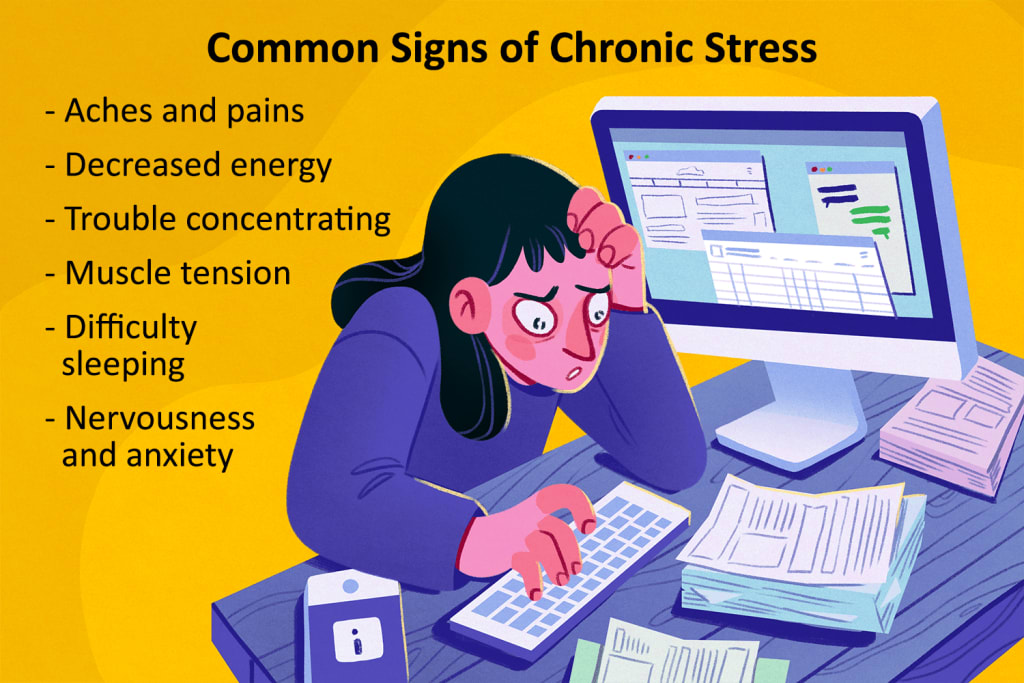
Childhood and adolescence are developmental years, coupled with rapid bodily, emotional, and social development. Even though these years are usually ones of happiness, learning, and growth, they may also be years of struggle impacting the child's mental well-being. From bullying and school stress to family concerns and trauma, adolescents may experience problems that are hard for them to put into words. If left unaddressed, these problems can lead to continued relationship, school, and emotional health issues.
Psychologists play a crucial role in assisting children and teens in overcoming these challenges. Using methods that are appropriate for their ages, psychologists develop secure spaces to express themselves, teach young people about their emotions, and direct them towards healthy coping mechanisms. Not only do psychologists address current issues, but they also equip children and teens with future-proof resilience.
Common Mental Health Issues in Children and Teens
Some of the issues faced during these development years are:
Anxiety Disorders – Excessive concern about school, peer relationships, or future events and that can express itself in stomach upset, headache, or refusal to go to school.
Depression – Persistent sadness, irritability, loss of pleasure in activities, and sleep or appetite change.
Behavioral Disorders – ADHD, oppositional defiant disorder (ODD), or conduct disorder, which deal with concerns of concentration, control, or respect for rules.
Learning Difficulties – Dyslexia, dyscalculia, or processing disorders that impact school achievement.
Trauma-Related Disorders – Abuse, loss, or accidents may cause post-traumatic stress symptoms.
Bullying and Peer Pressure – Social problems that destroy self-esteem and cause anxiety or depression.
Identity Struggles – Adolescents will grapple with self-identity, body image, or sexual orientation.
Early recognition of these issues allows psychologists to intervene before they become critical in nature.
How Psychologists Work with Children
Techniques other than adult therapy are used by psychologists because children speak in terms of behavior rather than language.
1. Play Therapy
Kids naturally talk in play. Psychologists use toys, pictures, and games to allow children to explain feelings they don't talk about. For example, an abused child can act out scenes in play that demonstrate underlying fears.
2. Creative Expression
Art, music, and narrative are healing vehicles for which children can use to express emotion safely and symbolically.
3. Cognitive-Behavioral Therapy (CBT) for Children
Psychologists instruct children to recognize unhelpful thoughts ("Nobody likes me") and to substitute healthier perspectives. CBT also instructs children in coping skills to handle fears or anxieties.
4. Parental Involvement
Kids don't exist in a vacuum—behavior has much to do with family functioning. Psychologists will work with parents as well to provide ways of supporting the child, improving communication, and creating a healthy home environment.
How Psychologists Work with Teenagers
Adolescents are more reflective but may still struggle with trusting or being open to discussion. Psychologists adapt therapy to respect their growing independence.
1. Individual Therapy
Individual sessions allow teenagers to discuss issues of peer pressure, school stress, or identity confusion. The most commonly used techniques are CBT, solution-focused therapy, or mindfulness interventions.
2. Building Trust
Confidentiality is paramount. Psychologists assure teenagers that privacy will be upheld (with some exceptions for safety reasons). This assures them that they can speak freely.
3. Building Skills
Therapy allows teenagers to learn life skills such as problem-solving, emotional regulation, assertive communication, and decision-making.
4. Family Therapy
Where stress is caused by conflict with parents or siblings, psychologists may conduct family therapy sessions to clarify understanding and normalize tension.
Parents and Schools' Role
Psychologists emphasize collaboration with parents and schools to ease a child's progress. This may involve:
Helping parents learn positive discipline methods.
Educating teachers to identify early warning signs of mental distress.
Developing individualized education plans (IEPs) for students with learning problems.
Forming alliances so that the child is aided both in school and at home.
Why Early Intervention Is Critical
Mental illness in teens has a strong influence on grades, relationships, and self-esteem. If left unattended, problems will continue into adult life, further risking the teen for drug abuse, chronic mental illness, or suicidal tendencies. Early psychological intervention:
Reduces severity of symptoms.
Enhances coping and resilience.
Increases academic and social functioning.
Prevents small problems from becoming life-long wars.
Benefits of Psychological Support for Children and Adolescents
Safe Expression: Children and adolescents understand that their feelings matter.
Emotional Awareness: They become conscious of what they are feeling and why.
Better Coping Skills: Psychologists teach relaxation skills, problem-solving, and resilience.
Healthier Relationships: Better communication with parents, teachers, and peers.
Boosted Confidence: Adolescents and children build self-esteem through insight and coping with challenges.
Overcoming Barriers to Seeking Help
While beneficial, psychological therapy is shunned by most families for kids. Such reasons are stigma, no money, or believing that children will "outgrow" issues. Parents are encouraged by psychologists to view therapy as preventive medicine, the same way they visit a doctor for a physical examination.
Centers such as https://www.delhimindclinic.com/
provide professional, child-focused psychological therapy specifically aimed at addressing youths' individual needs and their families.
Conclusion
Psychologists play a vital role in helping children and adolescents cope with mental health problems. Through proper therapies, trust building, and collaborative work with families and schools, they create environments conducive to growth, resilience, and emotional well-being. Early intervention not only reduces distress but also lays the foundation for a healthier and more rewarding future.
Parents and guardians should never hesitate to consult professionals when a youth is experiencing emotional or behavioral issues. Early intervention gives young people the feeling of being heard, protected, and empowered to thrive.
For professional psychological therapy for children and youths, refer to: https://www.delhimindclinic.com/
About the Creator
Keep reading
More stories from Naveen Garg and writers in 01 and other communities.
What happens during the first session with a psychologist?
For others, going to see a psychologist is a mammoth task. It may take weeks, months, or years of dealing with emotional anguish, tension, or mental health concerns. While the step in taking such a decision requires strength, being in a psychologist's room for the first time is intimidating. "What will they ask me?", "Will I be judged?", or "How much do I tell them?" are all very typical questions.
By Naveen Garg4 months ago in 01
Comparing Seattle Mobile App Developers and Agency Services
The moment usually arrives quietly. A Seattle business leader sits with two proposals. One is from an independent developer or small studio. The other comes from a full-service agency. The features look similar. The timelines overlap. The price gap feels significant.
By Nick Williamabout 14 hours ago in 01
Ludacris and Nelly draw backlash over bookings at MAGA-coded music festival
Ludacris and Nelly headlining a mostly right-wing event is good for them. It’s also great for the genre of hip hop. The two rap veterans have showcased their talents on other stages. Why can’t they perform for mostly MAGA folks and grab that bag?
By Skyler Saunders5 days ago in Beat



Comments
There are no comments for this story
Be the first to respond and start the conversation.