
What is post-traumatic stress disorder (PTSD), and how can it be treated successfully?
PTSD

Post-traumatic stress disorder (PTSD) is a serious illness that happens after one has been exposed to or encountered a traumatic event. Such events may include natural disasters, catastrophic accidents, violent encounters, combat, abuse, or sudden loss of a loved one. While fear, sadness, or painful after trauma is common, the majority of people recover with time and consolation. But in others, the emotional wounds remain unscabbed and the trauma re-emerges in disruptive and agonizing ways—this is where PTSD surfaces.
PTSD has millions of victims worldwide, and yet it remains a misunderstood condition. Some view it as a condition that only soldiers or victims of extreme violence can develop, but the reality is that anyone who has experienced extreme stress or trauma can develop PTSD. The condition not only reaches the individual but also their relationships, workplace, and daily life.
The good news is that PTSD is treatable. With the proper mix of therapy, coping strategies, and medical attention, individuals recover, regain their sense of safety, and live healthy lives.
Understanding PTSD
PTSD happens because the brain cannot process and integrate a traumatic event. Under normal circumstances, memories of previous events are compartmentalized so that they can fade into the background. But with trauma, the memory is "stuck," constantly replayed as if it were still happening in the present.
This occurs because trauma interferes with the mechanisms of response in the brain. The amygdala, responsible for threat detection, overacts, and the prefrontal cortex (responsible for reasoning and comforting responses) underperforms. The hippocampus, responsible for distinguishing between past and present, actually atrophies. This neurolimbic imbalance accounts for the fact that individuals with PTSD feel as if the trauma remains current and not historical.
Symptoms of PTSD
Symptoms of PTSD tend to be categorized into four types:
1. Intrusive Memories
Recurring flashbacks where the person seems to relive the trauma.
Harassing or nightmares about the event.
Overwhelming emotional or physical response upon reminder of the trauma.
2. Avoidance
Stay away from persons, places, or activities that remind one of the trauma.
Shunning discussions and even thoughts about what transpired.
3. Negative Changes in Thinking and Mood
Recurring negative thoughts regarding oneself or the world ("I am broken," "The world is unsafe").
Numbness or distance from loved ones.
Inability to feel positive emotions like joy or love.
Guilt or shame regarding the event, despite not being responsible.
4. Hyperarousal
Heightened startle response to noises or sudden movements.
Irritability or explosive outbursts.
Difficulty sleeping or concentrating.
Being perpetually "on edge" or threatened.
Symptoms will typically develop within three months of the trauma but in some cases, even years following the trauma. The intensity of symptoms may also vary, and it tends to be triggered by reminders such as anniversaries, newspaper reports, or environmental cues.
Risk Factors for PTSD
Not all individuals exposed to a trauma will go on to develop PTSD. Certain factors define susceptibility:
Severity of trauma: The higher the potential threat to life, the higher the risk.
Trauma history: People with a history of prior traumatic experiences, especially during childhood, are potentially more vulnerable.
Social isolation: There is less support to go to after the event, increasing the risk.
Prior mental health diagnoses: People who are anxious, depressed, or have substance abuse disorders may be more vulnerable.
Biological components: Heredity and brain chemistry play a role in how people respond to trauma.
The Impact of PTSD on Life
PTSD can affect every area of a person's life. Relationships are strained because of withdrawal, irritability, or emotional numbing. Work performance can suffer because of poor concentration and excessive absenteeism. Most people with PTSD feel trapped in fear-avoidance cycle and hence live in isolation and despair.
In addition, PTSD most commonly occurs alongside other disorders such as depression, anxiety disorders, or substance abuse. It may also cause self-injury or suicidal thoughts if it is not treated, hence placing a priority on early intervention.
Treatment Methods for PTSD
The good news is that it is possible to treat PTSD. New therapies and medications are able to process memories of the trauma, reduce symptoms, and restore a sense of well-being. Treatment is typically a blend of the following methods:
1. Psychotherapy (Talk Therapy)
Psychotherapy is the cornerstone of PTSD treatment. There are many types of therapy that have been proven to help:
Cognitive Behavioral Therapy (CBT): Helps individuals face unhelpful thoughts and replace them with healthier ones. For example, replacing "I am weak because I couldn't stop the trauma" with "I lived through something very painful, and that shows my strength."
Exposure Therapy: In a secure environment, one gradually faces memories and triggers associated with the trauma, reducing fear responses over time.
Eye Movement Desensitization and Reprocessing (EMDR): A clinical process that allows the brain to reprocess traumatic recollections during bilateral stimulation (e.g., eye movements). EMDR has been extremely effective in reducing PTSD symptoms.
Group Therapy: Sharing with others who've walked similar paths can provide a feeling of safety, reduce loneliness, and facilitate healing.
2. Medications
In some cases, medication is employed to relieve symptoms of PTSD, especially when therapy is used in combination with it. Antidepressants (such as SSRIs) may reduce feelings of anxiety, depression, and intrusive thoughts. Sleeping medications can also be employed for extreme insomnia.
3. Lifestyle Changes and Coping Strategies
Habits during the day can complement formal treatment:
Mindfulness or meditation to anchor oneself.
Regular exercise to let go of tension and improve mood.
Healthy diet and sleep routine.
Journaling as a process of emotional adjustment.
4. Support Systems
Family and friends are vital elements in recovery. Creating safe, non-judgmental spaces for the patient to share feelings reduces alienation. Family can also be psychoeducated about how trauma affects behavior.
Breaking the Stigma
Mental health stigma is one of the problems with PTSD. Individuals fear seeking help, fearful of judgment or misinterpretation. Education and awareness are critical to debunk myths. PTSD is not a sign of weakness—it is an expected response to traumatic exposure. Treatment-seeking is courageous, not failure.
When to Seek Professional Help
If an individual is experiencing symptoms of PTSD that are affecting daily life, professional assistance is necessary. PTSD worsens over time if left untreated, but with early intervention, outcomes are significantly improved. Centers such as https://www.delhimindclinic.com/
provide comprehensive evaluations and evidence-based care that meets individual needs.
Some of the symptoms one should go see a therapist for include:
Nightmares or flashbacks that recur.
Avoidance of activities of daily living due to fear or triggers.
Emotional numbness or a sense of separation from the people they love.
Difficulty with being able to work or function around other people.
Suicidal thoughts or despair.
Conclusion
PTSD is a painful but manageable illness. It happens when trauma surpasses the mind's ability to recover, keeping individuals stuck in fear and distress cycles. But with the right therapy, people can resubmit traumatic memories from the past, regain their feeling of security, and be capable of living again.
Therapies like CBT and EMDR, in addition to supportive relationships, lifestyle changes, and sometimes medication, offer successful paths to recovery. Perhaps most significantly, seeking help early is important.
If you or a loved one is struggling with trauma or PTSD, remember that trained help is available. Clinics like https://www.delhimindclinic.com/
provide compassionate care and successful treatments to result in healing. Healing from trauma is a possibility, and every move in the path of assistance is a move toward liberty and strength.
About the Creator
Keep reading
More stories from Naveen Garg and writers in Education and other communities.
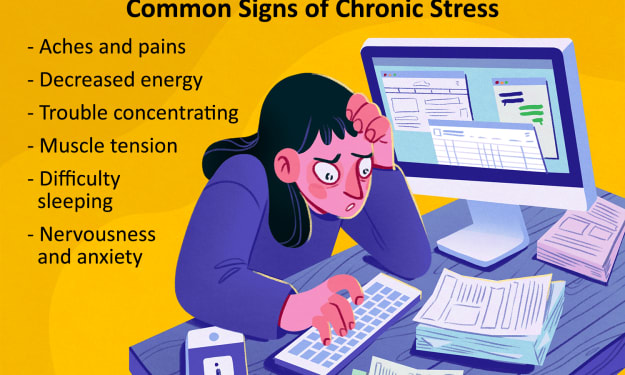
What impact does chronic stress have on mental health, and how is it effectively managed?
Stress is unavoidable. Whether brought on by work, finances, relationships, or unforeseen issues, there's going to come a time when every individual will experience tension and pressure. Stress, in brief periods, in fact, stimulates us—it focuses our attention and allows us to overcome the obstacle. But when stress occurs repeatedly, that is, over the long term without sufficient relief or coping strategies, it can deeply affect both physical and mental health.
By Naveen Garg4 months ago in Education
Why Did Einstein Dislike Quantum Mechanics? The Greatest Scientific Disagreement Ever
Einstein Helped Create Quantum Mechanics It is often forgotten that Einstein was a pioneer of quantum physics. In 1905, Einstein proposed that light comes in discrete packets called photons. This explained the photoelectric effect and earned him the Nobel Prize. His work was one of the pillars of quantum theory.
By shahkar jalal7 days ago in Education
Digital Signage Solutions Supporting Communication in Schools
I still remember the chaos of my first week as a communications coordinator at a mid-sized university. Between emergency alerts that never reached students, event posters peeling off bulletin boards, and faculty members who couldn't find the right room for meetings, I realized our campus communication system was stuck in the 1990s. That experience changed how I think about information flow in educational settings.
By Jerry Kane 5 days ago in Education



Comments
There are no comments for this story
Be the first to respond and start the conversation.