
How is trauma in childhood ingrained in the mental health of adults and how are recoveries done?
Trauma in childhood
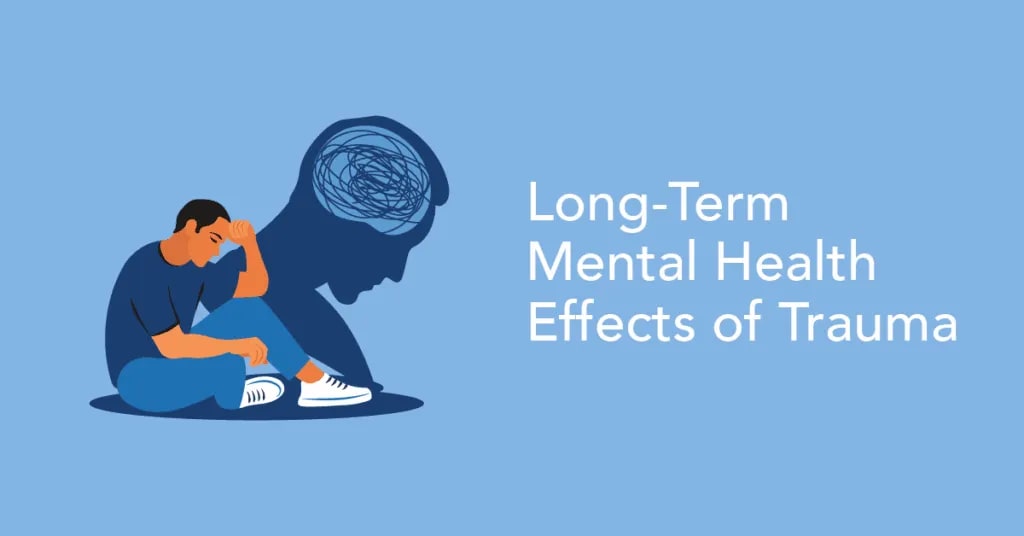
Childhood is a formative stage of life where the brain, personality, and coping mechanisms are rapidly developing. Trauma during this time can have an impact on a person for the rest of their years. Good experiences—such as nurturing care, stability, and support—can foster resilience and health. Meanwhile, adverse childhood events (ACEs) such as abuse, neglect, loss of parents, or exposure to violence can leave lasting wounds that extend into adulthood. These tend to condition individuals' perceptions of themselves, others, and the world and profoundly affect their mental health consequences.
Understanding the link between trauma in childhood and mental health in adulthood is crucial for prevention as well as recovery. With education, professional support, and positive coping skills, it is feasible to break free from the weight of past trauma and live strong, empowered lives.
The Link Between Childhood Trauma and Adult Mental Health
1. Brain Development and Trauma
Trauma in childhood short-circuits optimal brain development. The stress response system, the HPA axis, can become overactive. Ongoing stress response reorganizes brain structures such as the amygdala, hippocampus, and prefrontal cortex, responsible for memory, emotion, and decision-making. Such changes predispose to anxiety, depression, impulsivity, and stress management difficulties later in life.
2. Attachment and Relationships
Those who are neglected, abandoned, or have inconsistent caregiving during childhood tend to develop insecure attachment patterns. This tends to show up in adulthood as an inability to create healthy, trusting relationships. They might be afraid of abandonment, struggle with intimacy, or become overly clingy.
3. Emotional Regulation
Trauma disrupts emotion regulation. Traumatized adults in childhood may feel overwhelming anger, fear, or sadness. Dysregulation is at risk for mood disorders, self-harm, and drug abuse as the individual attempts to manage feelings of being overwhelmed.
4. Mental Health Conditions
Studies consistently show that adults with ACEs are at higher risk to develop depression, anxiety disorders, PTSD, borderline personality disorder, and even psychosis. Trauma also causes physical health problems such as chronic pain, autoimmune diseases, and cardiovascular disease, tying mental health together further.
Daily Impact of Childhood Trauma in Adulthood
Trauma effects extend beyond diagnostic impacts on mental health; they impact daily functioning:
Workplace Problems: Stressful behavior, getting along with supervisors or managers, or reactions to criticism may be difficult for trauma survivors.
Relationships: Abandonment or trust problems can create a pattern of conflict, withdrawal, or dysfunctional dependence.
Self-Concept: Worthlessness, guilt, or shame can be feelings associated with trauma survivors, which can inhibit goal-setting and personal growth.
Coping Mechanisms: Overeating, substance abuse, or avoidance mechanisms are common maladaptive coping strategies that attempt to dull pain but often worsen mental illness in the long term.
Healing and Recovery Strategies
Despite the lasting effects of childhood trauma, recovery is possible. Recovery requires a balanced approach consisting of professional therapy, lifestyle changes, and positive relationships.
1. Psychotherapy
Trauma-Focused Cognitive Behavioral Therapy (TF-CBT): This therapy helps to reframe negative assumptions and lower the emotional intensity of memories of trauma.
Eye Movement Desensitization and Reprocessing (EMDR): EMDR assists in the reprocessing of traumatic memories to make it possible to integrate them without undue distress.
Psychodynamic Therapy: By exploring the etiology of trauma, an individual gains insight into how past incidents influence current feelings and actions.
2. Acquiring Emotional Regulation Skills
Mindfulness, meditation, and grounding skills help trauma victims cope with feelings of being overwhelmed. Pausing, paying attention, and learning to manage feelings builds strength and minimizes acting-out behavior.
3. Creating Healthy Relationships
Healthy relationships are fundamental to healing. Supportive friends, spouses, or support groups can provide safety and counteract isolation. Treatment can also enable one to establish healthy communication and boundaries.
4. Daily Self-Care Practices
Regular habits of physical exercise, good nutrition, adequate sleep, and relaxation can stabilize mood and build strength. Creative pursuits—writing, art, or music—also provide therapeutic release.
5. Professional and Community Support
Clincs like https://www.delhimindclinic.com
offer trauma survivors specialized mental health treatment, including therapy, counseling, and group therapy. Professional care ensures healing is offered by scientifically proven techniques tailored to unique needs.
Breaking Down Barriers to Recovery
Most trauma victims avoid seeking help out of stigma, fear of reliving memories that cause them pain, or having the idea that they must "tough it out" alone. These are overcome when healing is realized as not a sign of weakness but of gaining back strength. Professional intervention provides a safe space for working out trauma at a pace one can manage.
It is also worth mentioning that recovery is not a linear process. It will be here and there for days, but it is cumulative. Resilience is learning coping skills, reframing beliefs about the self, and generating new patterns of life.
Conclusion
Childhood trauma has deep and lasting effects on mental and emotional well-being, predisposing adults to perceptions about self, others, and the world. Its influence—varying from disrupted brain development and insecure attachment to susceptibility to mental illness—can interfere with daily functioning, relationships, and development.
But trauma doesn't decide someone's future. With therapies such as CBT, EMDR, and psychodynamic therapy, alongside mindfulness, supportive relationships, and self-care, one can heal and build resilience. Professional counseling by experts makes sure survivors are given personalized strategies that bring about long-term recovery and empowerment.
For compassionate, evidence-based treatment for childhood trauma and its effects on mental well-being, go to: https://www.delhimindclinic.com/
Trauma healing is a journey—one of patience, support, and of courage. With the proper tools and support, survivors can reframe pain as strength and move toward living a life of greater balance, satisfaction, and hope.
About the Creator
Keep reading
More stories from Naveen Garg and writers in Education and other communities.
How does social media use impact mental health, and how can healthier online behaviors be encouraged?
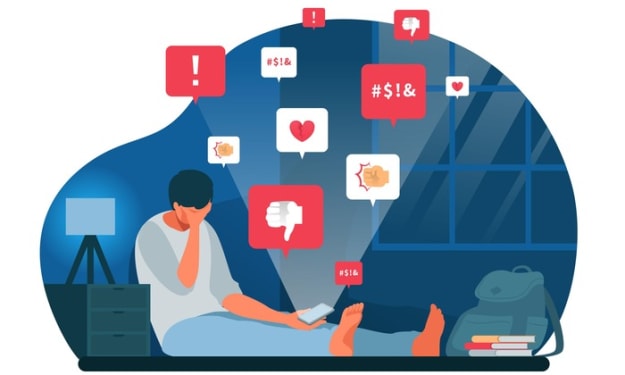
Social media use has become a part of daily life in the digital age. Facebook, Instagram, Twitter (X), TikTok, and LinkedIn are some of the social media platforms that provide opportunities for communication, self-expression, and information sharing. For many, social media are used as a source of entertainment, career networking, and community building. However, its effects on mental health are a matter of increasing concern among researchers, physicians, and users. Though social media can be utilized for improving relationships and providing beneficial information, extreme or one-sided usage can result in depression, anxiety, loneliness, and reduced self-esteem. One needs to understand both the advantages and disadvantages of social media so that more positive online behavior can be encouraged that is conducive to emotional well-being.
By Naveen Garg4 months ago in Education
Why Great Customer Service Is Non-Negotiable for Modern Businesses
Excellent customer service is no longer something businesses can choose to offer later. It is a basic requirement in today’s fast-moving market. Customers expect respect, clear communication, and fast solutions. When they do not get these things, they leave. This is why excellent customer service is non-negotiable for businesses that want to survive and grow.
By Apex Service Partners7 days ago in Education
The Devil's Cut
“Comrade, finally you’re awake.” The voice was smooth, sensual. A flickering incandescent bar was all that lit the white, sterile room. All Vladimir remembered was everything going black. He tried to move his arms and found them strapped to the gurney.
By Matthew J. Fromm5 days ago in Fiction


Comments
There are no comments for this story
Be the first to respond and start the conversation.