Kamal Mourya
Stories (35)
Filter by community
Passing Ships: A Small Moment with a Big Impact
Passing Ships I remember the moment like it was yesterday. It was a warm summer evening, and I was walking along the boardwalk, lost in my own thoughts. I had just finished my first year of college, and I was feeling restless and unsure about my future.
By Kamal Mourya3 years ago in Lifehack
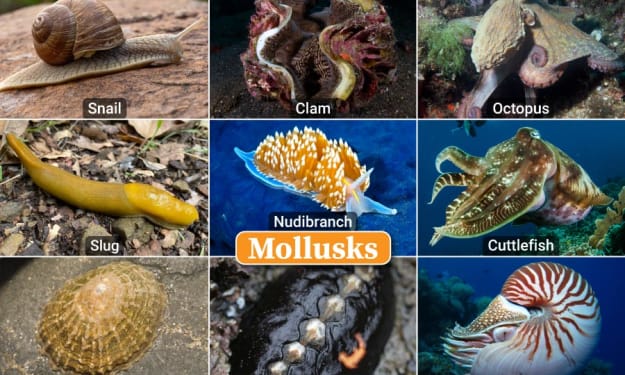
Mollusks: A Comprehensive Guide to the Diversity and Adaptations of these Fascinating Invertebrates
Mollusks are a diverse group of invertebrates with over 100,000 known species. They are found in almost every aquatic environment, from freshwater streams to deep-sea trenches, and on land, from deserts to rainforests. They range in size from microscopic to over 18 meters in length (as in the case of the giant squid). Mollusks are a significant component of many marine and freshwater ecosystems and are also commercially important, with many species being harvested for food, shells, and other products.
By Kamal Mourya3 years ago in Earth
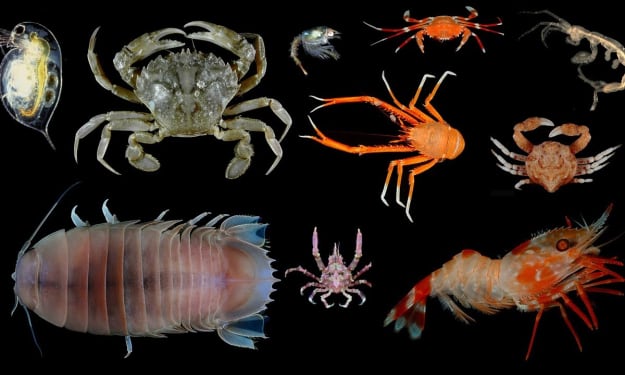
Crustaceans: Anatomy, Behavior, Habitat, and Commercial Importance
Crustaceans are a diverse group of arthropods that belong to the subphylum Crustacea. These animals are found in virtually all aquatic habitats, including freshwater, saltwater, and brackish water. They are characterized by their hard exoskeleton, which protects their soft bodies, and their jointed appendages, which are used for locomotion, feeding, and defense. Crustaceans play an important role in aquatic ecosystems as both predators and prey, and they are also important in the commercial fishing industry.
By Kamal Mourya3 years ago in Earth
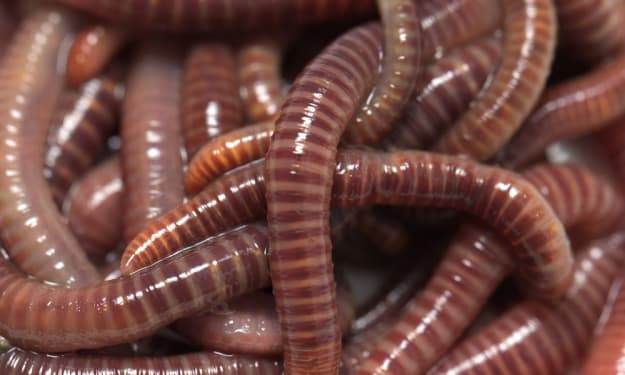
Exploring the World of Worms: Types, Characteristics, Habitats, and Ecological Significance
Worms are small, long, and thin animals that belong to the phylum Annelida. They are characterized by a cylindrical and elongated body that lacks limbs, antennae, and eyes. Worms are found in a variety of habitats, including soil, water, and even inside the bodies of other animals. They play an important role in the ecosystem by breaking down organic matter and improving soil quality. In this article, we will explore the different types of worms, their characteristics, habitats, and ecological significance.
By Kamal Mourya3 years ago in Earth
Insects: Anatomy, Behavior, and Ecology - Exploring the Fascinating World of the Most Diverse Group of Animals on Earth
Insects are a diverse and abundant group of animals that play an important role in the ecosystem. There are more than one million described species of insects, making them the most diverse group of animals on the planet. They can be found in nearly every habitat on earth, from the depths of the ocean to the highest mountains. Insects are incredibly important to the functioning of ecosystems, and without them, many plant and animal species would be threatened.
By Kamal Mourya3 years ago in Earth
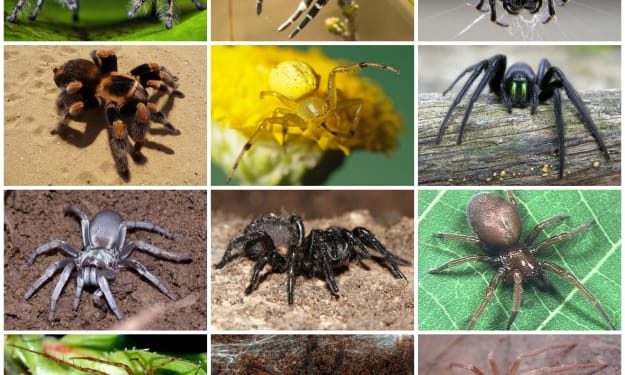
Exploring the World of Spiders: Anatomy, Behavior, Habitats, and Myths
Spiders are one of the most fascinating and mysterious creatures on earth. With their eight legs and intricate webs, they have been the subject of countless stories and myths throughout human history. From the ancient Greeks who associated them with the goddess Athena, to modern-day horror movies that depict them as deadly predators, spiders have captured the imagination of people around the world. In this article, we will explore the world of spiders, their anatomy, behavior, and habitats.
By Kamal Mourya3 years ago in Earth
Caecilians: The Fascinating and Little-Known Limbless Amphibians
Caecilians are a fascinating group of limbless, elongated amphibians that belong to the order Gymnophiona. They are often mistaken for snakes or earthworms, but they are actually more closely related to frogs and salamanders. Caecilians are found in tropical regions around the world, including Africa, Asia, and Central and South America. Despite their relatively low profile, caecilians play an important role in their ecosystems, and they have some fascinating adaptations that make them unique among amphibians.
By Kamal Mourya3 years ago in Earth
Salamanders and Newts: The Fascinating World of Amphibians
Salamanders and newts are fascinating amphibians that have captured the imaginations of people for centuries. These animals belong to the order Caudata, which includes around 700 species of salamanders and newts. They are found all over the world, with the highest diversity in the Northern Hemisphere. Salamanders and newts are unique creatures that have many interesting features and adaptations. In this article, we will explore the world of salamanders and newts in more detail.
By Kamal Mourya3 years ago in Earth
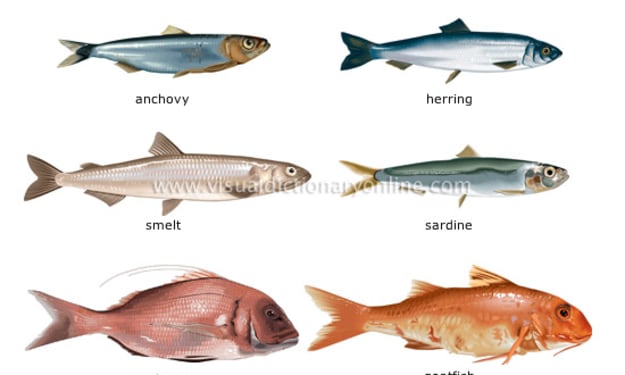
Exploring the World of Bony Fish: Anatomy, Behavior, Habitat, and Significance
Bony fish are a diverse group of aquatic animals that make up the majority of the world's fish species. They belong to the class Osteichthyes and are characterized by their bony skeleton, as opposed to the cartilaginous skeleton of sharks and rays. Bony fish have a wide range of shapes, sizes, and colors, and are found in both freshwater and saltwater environments. They play a significant role in the food chain, providing sustenance for both humans and other aquatic animals. In this article, we will explore the world of bony fish, including their anatomy, behavior, habitat, and significance.
By Kamal Mourya3 years ago in Earth
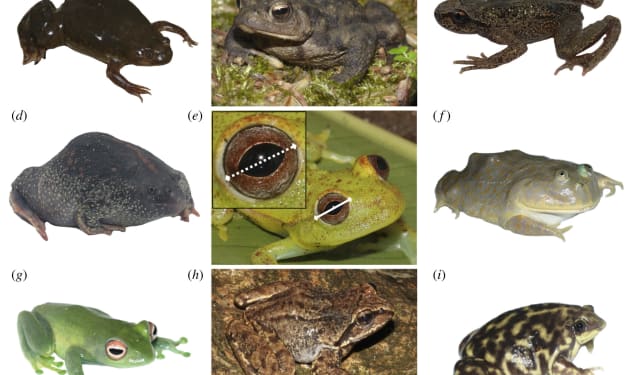
Frogs and Toads: Exploring the Characteristics, Behavior, and Conservation of these Fascinating Amphibians
Frogs and toads are fascinating creatures that belong to the same order, Anura. These amphibians have long captured the imagination of humans, appearing in stories, myths, and legends throughout history. They are found all over the world, in a wide variety of habitats, from rainforests to deserts. Despite their similarities, frogs and toads have some differences that set them apart. In this article, we will explore the characteristics, behavior, and ecology of these fascinating creatures.
By Kamal Mourya3 years ago in Earth
Frogs and Toads: Exploring the Characteristics, Behavior, and Conservation of these Fascinating Amphibians
Frogs and toads are fascinating creatures that belong to the same order, Anura. These amphibians have long captured the imagination of humans, appearing in stories, myths, and legends throughout history. They are found all over the world, in a wide variety of habitats, from rainforests to deserts. Despite their similarities, frogs and toads have some differences that set them apart. In this article, we will explore the characteristics, behavior, and ecology of these fascinating creatures.
By Kamal Mourya3 years ago in Earth
Cartilaginous Fish: Exploring the Fascinating World of Sharks, Rays, and Chimaeras
Cartilaginous fish are a diverse group of marine animals that belong to the class Chondrichthyes. This group of fish includes over 1,200 species, which can be further divided into two subclasses: Elasmobranchii and Holocephali. Elasmobranchii includes sharks, rays, and skates, while Holocephali includes chimaeras. These fish are characterized by their skeleton, which is made of cartilage rather than bone. Cartilaginous fish have a wide range of shapes and sizes and can be found in all oceans of the world. This article will explore the fascinating world of cartilaginous fish.
By Kamal Mourya3 years ago in Earth