
Frogs and Toads: Exploring the Characteristics, Behavior, and Conservation of these Fascinating Amphibians
Exploring the World of Amphibians: The Fascinating Lives of Frogs and Toads
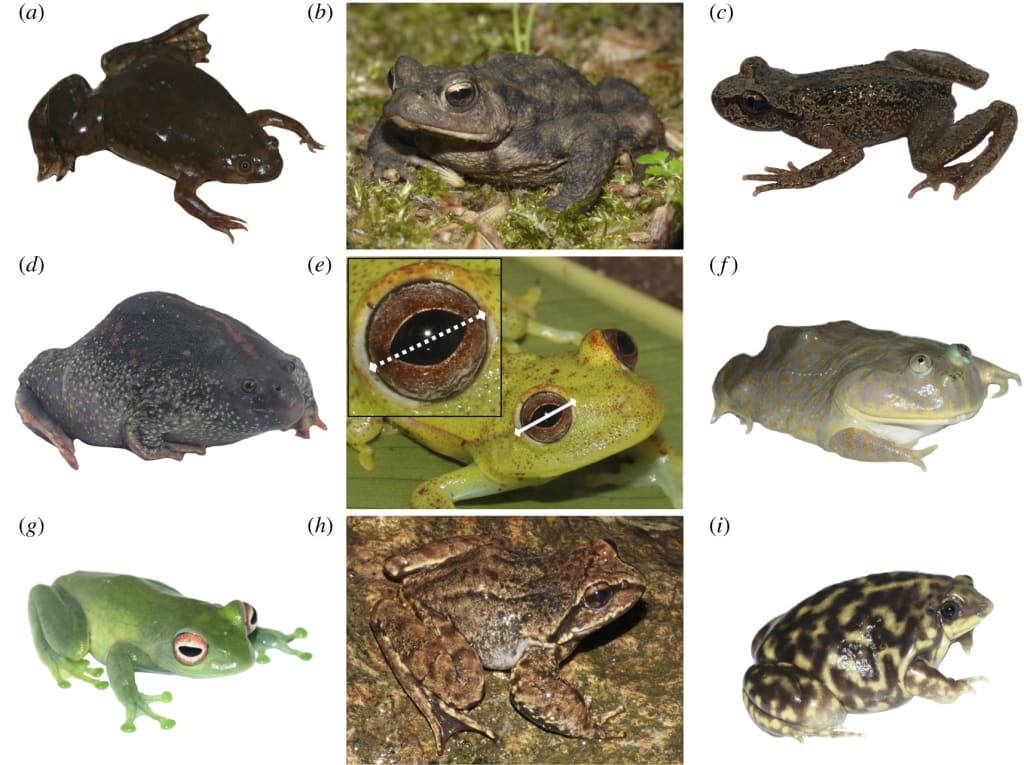
Frogs and toads are fascinating creatures that belong to the same order, Anura. These amphibians have long captured the imagination of humans, appearing in stories, myths, and legends throughout history. They are found all over the world, in a wide variety of habitats, from rainforests to deserts. Despite their similarities, frogs and toads have some differences that set them apart. In this article, we will explore the characteristics, behavior, and ecology of these fascinating creatures.
Characteristics of Frogs and Toads:
Frogs and toads share many physical characteristics, such as their bulging eyes, short bodies, and long hind legs, but there are also some key differences between the two. For example, frogs tend to have smooth, moist skin, while toads have rough, dry skin. Frogs also have longer legs and are more adapted to jumping, while toads have shorter legs and are better adapted to walking.
Another distinguishing feature of frogs and toads is their eyes. Frogs have large, bulging eyes that are located on the sides of their heads, giving them a wide field of vision. Toads, on the other hand, have smaller eyes that are located closer together on the top of their head, allowing them to see more directly in front of them.
Behavior of Frogs and Toads:
Frogs and toads are primarily nocturnal, which means that they are most active at night. During the day, they will often hide in damp, cool places to avoid the heat and dryness of the sun. They are also known for their unique vocalizations, which they use to communicate with one another. Male frogs and toads will often call out to females during breeding season, using a variety of different calls to attract mates.
Frogs and toads are also well-known for their jumping and swimming abilities. Frogs are excellent jumpers and can leap several times their own body length in a single bound. They are also strong swimmers and can move through the water with ease. Toads, on the other hand, are not as skilled at jumping and are better adapted to walking on land. They can also swim, but are not as comfortable in the water as frogs.
Ecology of Frogs and Toads:
Frogs and toads are found in a wide variety of habitats, from rainforests to deserts, and they play important roles in their ecosystems. They are both important predators, feeding on insects, spiders, and other small animals. They are also prey for larger animals, such as birds, snakes, and other predators.
Frogs and toads are also important indicators of environmental health. Because they are sensitive to changes in their environment, they can be used to monitor the health of ecosystems. For example, declines in frog and toad populations can indicate pollution, habitat destruction, or other environmental problems.
Conservation of Frogs and Toads:
Frogs and toads are facing many threats around the world, including habitat destruction, pollution, climate change, and disease. Many species of frogs and toads are now endangered or threatened, and their populations continue to decline.
Conservation efforts are underway to protect these amphibians and their habitats. One important strategy is the creation of protected areas, such as national parks and wildlife reserves, where frogs and toads can live and reproduce without disturbance. Habitat restoration projects, such as reforestation and wetland restoration, are also being implemented to provide suitable habitat for these animals.
Conclusion:
Frogs and toads are fascinating creatures that are essential to the health of ecosystems around the world. They play important roles as predators and prey, and are important indicators of environmental health. However, they are facing many threats, and their populations are declining.
About the Creator
Keep reading
More stories from Kamal Mourya and writers in Earth and other communities.
Cartilaginous Fish: Exploring the Fascinating World of Sharks, Rays, and Chimaeras
Cartilaginous fish are a diverse group of marine animals that belong to the class Chondrichthyes. This group of fish includes over 1,200 species, which can be further divided into two subclasses: Elasmobranchii and Holocephali. Elasmobranchii includes sharks, rays, and skates, while Holocephali includes chimaeras. These fish are characterized by their skeleton, which is made of cartilage rather than bone. Cartilaginous fish have a wide range of shapes and sizes and can be found in all oceans of the world. This article will explore the fascinating world of cartilaginous fish.
By Kamal Mourya3 years ago in Earth
New York Prepares for Possibly Its Heaviest Snowfall in Years
New York City and surrounding areas are preparing for what could be one of the heaviest snowfalls in years, according to meteorologists. The forecast predicts intense snow, gusty winds, and potentially hazardous conditions, prompting city officials, emergency services, and residents to take precautionary measures.
By Muhammad Hassan3 days ago in Earth
Australia Organic Fertilizer Market Size and Forecast 2025–2033
Australia Organic Fertilizer Market Outlook The Australia Organic Fertilizer Market is entering a strong growth phase as sustainability becomes a core priority for farmers, consumers, and policymakers alike. According to Renub Research, the market is expected to reach US$ 496.1 million by 2033, rising from US$ 226.35 million in 2024, expanding at a CAGR of 9.11% from 2025 to 2033.
By jaiklin Fanandish4 days ago in Earth




Comments
There are no comments for this story
Be the first to respond and start the conversation.