
Exploring the World of Worms: Types, Characteristics, Habitats, and Ecological Significance
Worms' role in improving soil quality and nutrient cycling

Worms are small, long, and thin animals that belong to the phylum Annelida. They are characterized by a cylindrical and elongated body that lacks limbs, antennae, and eyes. Worms are found in a variety of habitats, including soil, water, and even inside the bodies of other animals. They play an important role in the ecosystem by breaking down organic matter and improving soil quality. In this article, we will explore the different types of worms, their characteristics, habitats, and ecological significance.
Types of Worms
There are three main types of worms: flatworms, roundworms, and segmented worms.
Flatworms: Flatworms, also known as Platyhelminthes, are a diverse group of worms that are characterized by their flattened bodies. They are found in both freshwater and marine environments, and some species are even found in damp soil. Flatworms are known for their ability to regenerate their bodies, meaning that if a part of their body is damaged or lost, they can regrow it.
Roundworms: Roundworms, also known as Nematodes, are a group of worms that are characterized by their long, cylindrical bodies. They are found in a variety of habitats, including soil, water, and inside the bodies of other animals. Some species of roundworms are parasitic and can cause diseases in humans and animals.
Segmented worms: Segmented worms, also known as Annelids, are a group of worms that are characterized by their segmented bodies. They are found in a variety of habitats, including soil, water, and inside the bodies of other animals. Some species of segmented worms are known for their ability to bioluminesce, meaning that they can produce light.
Characteristics of Worms
Worms have a number of unique characteristics that distinguish them from other animals. These include:
Long, cylindrical body: Worms have a long, cylindrical body that lacks limbs, antennae, and eyes. This body shape allows them to move efficiently through soil, water, and other substrates.
No lungs: Worms do not have lungs. Instead, they breathe through their skin. This allows them to absorb oxygen from their environment and release carbon dioxide.
No circulatory system: Worms do not have a circulatory system. Instead, they rely on the movement of fluid through their body cavities to transport nutrients and oxygen.
No excretory system: Worms do not have a specialized excretory system. Instead, they excrete waste through their skin or through specialized structures called nephridia.
Habitats of Worms
Worms are found in a variety of habitats, including soil, water, and inside the bodies of other animals.
Soil: Many species of worms are found in soil. They play an important role in breaking down organic matter and improving soil quality. Some species, such as earthworms, create tunnels in soil that allow air and water to penetrate deep into the ground.
Water: Many species of worms are found in freshwater and marine environments. Some species, such as bloodworms, are filter feeders that live in the sediments at the bottom of rivers and lakes.
Inside the bodies of other animals: Some species of worms are parasitic and live inside the bodies of other animals. For example, tapeworms live in the intestines of vertebrates, while heartworms live in the hearts of dogs and other canids.
Ecological Significance of Worms
Worms play an important role in the ecosystem. They help to break down organic matter, improve soil quality, and provide food for other animals.
As important as they are alive for distributing nutrients and organisms and decomposing matter, worms are also very important in the food chain. They provide a crucial protein-rich source of food for other important species like birds, hedgehogs and frogs.
About the Creator
Keep reading
More stories from Kamal Mourya and writers in Earth and other communities.
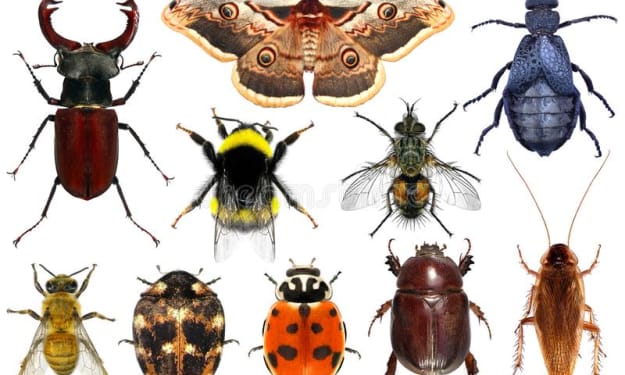
Insects: Anatomy, Behavior, and Ecology - Exploring the Fascinating World of the Most Diverse Group of Animals on Earth
Insects are a diverse and abundant group of animals that play an important role in the ecosystem. There are more than one million described species of insects, making them the most diverse group of animals on the planet. They can be found in nearly every habitat on earth, from the depths of the ocean to the highest mountains. Insects are incredibly important to the functioning of ecosystems, and without them, many plant and animal species would be threatened.
By Kamal Mourya3 years ago in Earth
Global Markets on Alert as Europe Suspends Approval of US Trade Deal
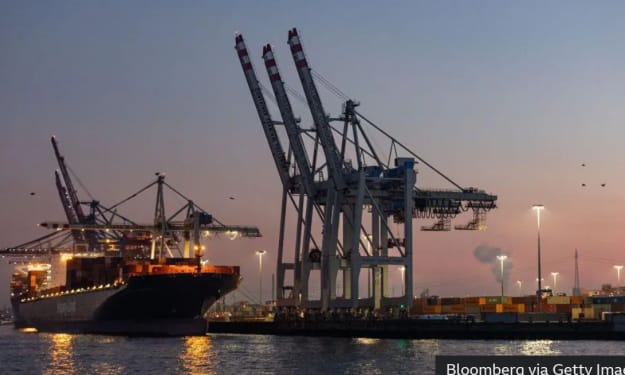
Global financial markets are on high alert following Europe’s announcement that it will suspend approval of a major US trade deal, a decision that has sent shockwaves across stock exchanges, currency markets, and investment forums worldwide. The move comes amid growing concerns over trade imbalances, regulatory disputes, and geopolitical tensions between the United States and European Union. Economists warn that the suspension could create ripple effects across global supply chains, impacting everything from manufacturing and energy to technology and agriculture. The Trade Deal in Question The US-EU trade agreement, intended to streamline tariffs, boost investment, and harmonize regulations between the two economic powerhouses, had been widely anticipated as a game-changer for transatlantic commerce. Negotiations had taken years, with both sides seeking to protect sensitive industries while opening markets for goods and services. However, Europe’s decision to halt the deal reflects mounting concerns over the potential impact on domestic industries and regulatory standards. EU officials cited the need for further review of compliance with environmental, labor, and consumer protection regulations before giving the agreement a green light. While not a full cancellation, the suspension introduces uncertainty and highlights the fragility of international trade negotiations in the current geopolitical climate. Immediate Market Reactions Financial markets reacted swiftly. Stock indices in Europe, the US, and Asia experienced volatility as investors recalibrated expectations for corporate earnings, trade flows, and economic growth. Commodity markets, particularly oil and agricultural products, also saw price fluctuations as supply chain uncertainties increased. The US dollar strengthened slightly against major currencies, reflecting investor demand for perceived “safe-haven” assets amid uncertainty. Meanwhile, European stock markets experienced moderate declines, particularly in sectors most dependent on transatlantic trade, such as automotive, aerospace, and industrial machinery. Investment analysts caution that this volatility may persist as both sides negotiate next steps. Market participants are monitoring political statements, regulatory filings, and industry responses closely to gauge the potential timing and scope of any eventual agreement. Broader Economic Implications Beyond immediate market movements, the suspension of the trade deal could have broader consequences for global economic growth. Reduced trade flows between the US and EU may affect multinational companies that rely on predictable tariffs and harmonized regulations. Sectors such as technology, pharmaceuticals, and energy could face delays in approvals, increased costs, or regulatory conflicts. Emerging markets may also feel the impact indirectly. Many countries are linked to transatlantic supply chains, exporting components, raw materials, or services to Europe or the United States. Any slowdown in EU-US trade could ripple through global production networks, affecting economic growth and employment in distant regions. Political Dimensions The suspension is not purely economic; it also has significant political implications. EU leaders are facing domestic pressures to safeguard industries, protect workers, and maintain environmental and safety standards. At the same time, US officials are emphasizing the strategic benefits of transatlantic cooperation and the risks of prolonged uncertainty. This tension underscores the broader challenge of balancing national interests with the benefits of globalization. Trade agreements are rarely purely transactional; they carry social, political, and environmental stakes. Europe’s decision to pause approval reflects a cautious approach in a time of global volatility, including ongoing geopolitical conflicts, energy security concerns, and fluctuating financial markets. Expert Analysis Economists and trade experts suggest that while the suspension introduces short-term uncertainty, it does not necessarily mean the collapse of the US-EU trade agreement. “This is a temporary pause,” says Dr. Elena Fischer, an international trade analyst. “Europe wants to ensure that the deal aligns with regulatory and sustainability standards. Once concerns are addressed, there is a strong likelihood that negotiations will resume and the agreement will eventually move forward.” Others, however, warn that delays could embolden protectionist tendencies and encourage other nations to reconsider or renegotiate trade agreements. The current global environment—marked by rising inflation, energy price volatility, and ongoing geopolitical tensions—makes international cooperation more complex than ever. Industry Responses Businesses on both sides of the Atlantic are closely watching the developments. Large multinational corporations have expressed concern about the potential for regulatory divergence, increased compliance costs, and disrupted supply chains. Some industries, such as automotive manufacturers and tech companies, rely heavily on synchronized regulations and predictable tariffs to maintain profitability. Trade associations are urging governments to provide clarity and timelines to prevent prolonged uncertainty. Investors, meanwhile, are adjusting portfolios to hedge against potential volatility, emphasizing sectors that may be less affected by transatlantic trade fluctuations. Potential Next Steps The path forward likely involves further negotiation, regulatory review, and stakeholder consultations. European officials have indicated that they are committed to maintaining high environmental and labor standards, while US negotiators are advocating for rapid approval to support economic growth and stability. Observers expect a period of careful diplomacy, with both sides balancing domestic pressures against broader economic and strategic interests. While the market may continue to experience volatility, experts suggest that clarity will eventually emerge, either in the form of a revised deal or a timeline for approval. Conclusion The suspension of the US-EU trade deal serves as a stark reminder of the delicate balance in global economic relations. Markets respond instantly to news and sentiment, while underlying economic, political, and regulatory considerations unfold more slowly. Investors, businesses, and policymakers must navigate these uncertainties carefully, weighing risks and opportunities in an interconnected world. As Europe pauses to ensure compliance and protect domestic interests, the global community watches closely. The resolution of this trade issue will not only shape transatlantic commerce but could influence global trade norms, investor confidence, and economic growth for years to come. For now, the message is clear: in an era of complex international relationships, vigilance and strategic foresight are paramount for global markets.
By Muhammad Hassan4 days ago in Earth
Trump, 79, Revives Greenland Fantasy With Absurd AI Post
Former U.S. President Donald Trump, now 79, has once again drawn global attention after posting an artificial intelligence–generated image related to his long-standing interest in Greenland. The post, which quickly spread across social media platforms, revived memories of Trump’s earlier and widely criticized proposal to purchase the autonomous Danish territory during his presidency. While the idea was dismissed years ago as unrealistic, the latest AI-driven revival has reignited public debate—this time centered on the role of artificial intelligence, political messaging, and credibility in the digital age.
By Aarif Lasharia day ago in Earth


Comments
There are no comments for this story
Be the first to respond and start the conversation.